Skip to content
midraar24
  • Home
  • Blog
  • Health
  • Exercises
    • Technology
  • Business
  • Contact
Contact Us
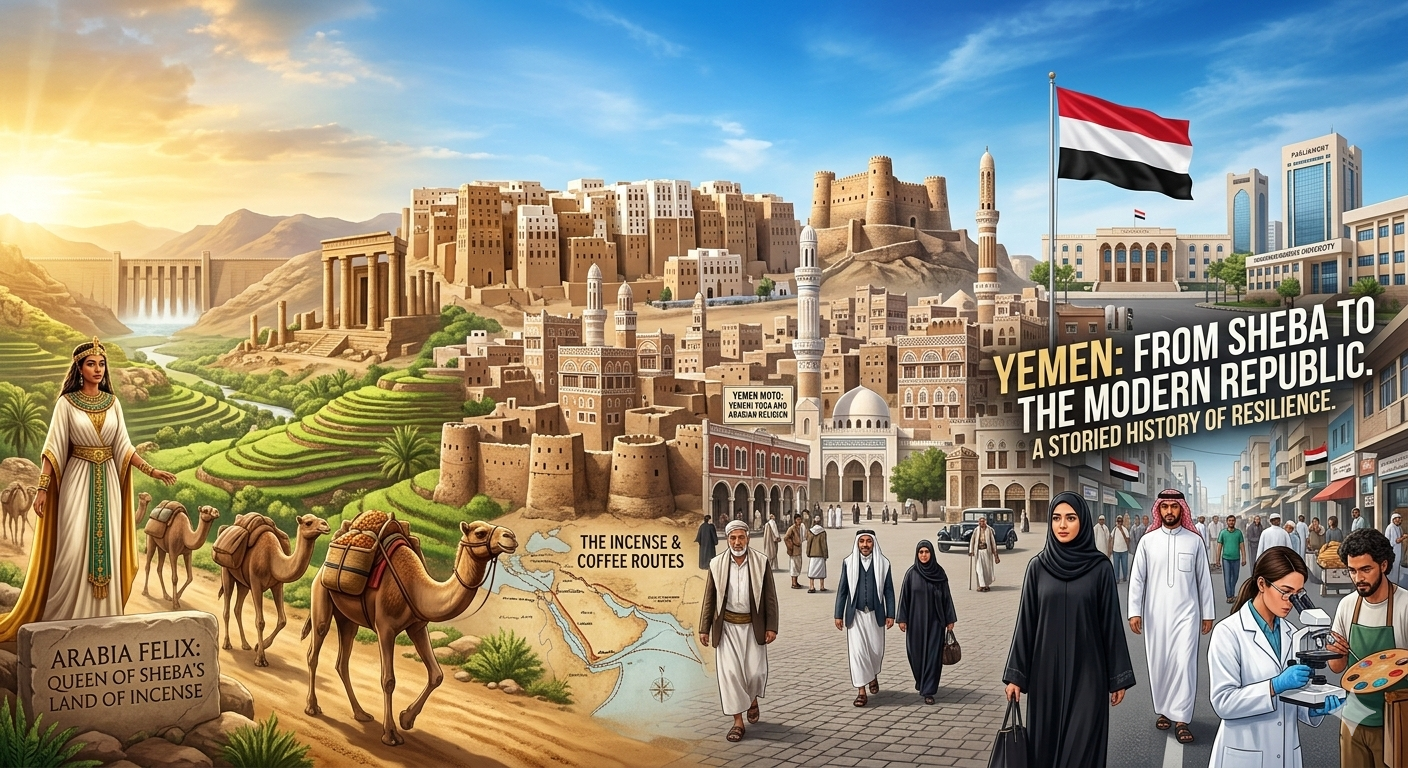
Arabia Felix: The Complete History of Yemen, From the Queen of Sheba to the Modern Republic
Blog

Arabia Felix: The Complete History of Yemen, From the Queen of Sheba to the Modern Republic

Monday, March 2, 2026
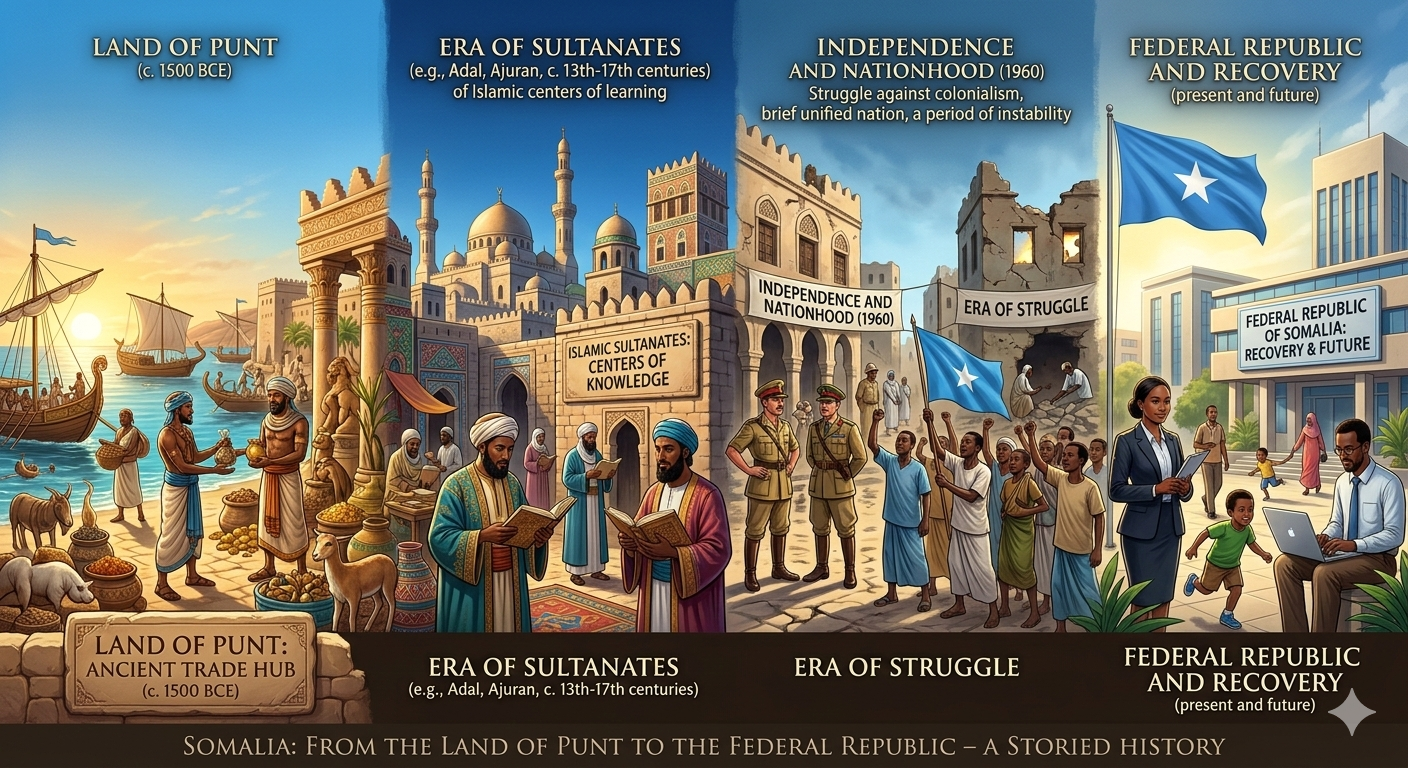
From the Land of Punt to the Federal Republic: The Storied History of Somalia
Blog

From the Land of Punt to the Federal Republic: The Storied History of Somalia

Monday, March 2, 2026
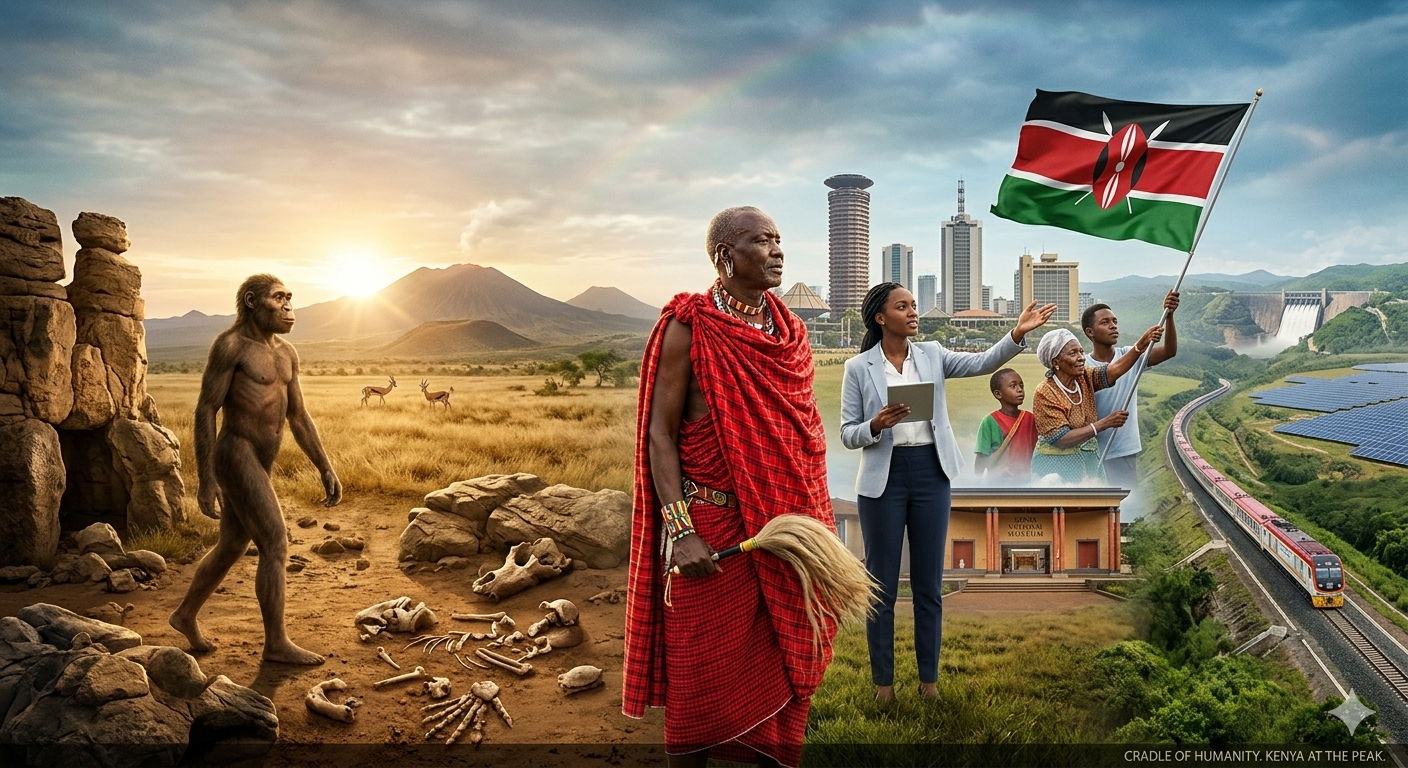
Cradle of Humanity Forges a Nation: The Complete History of Kenya
Blog

Cradle of Humanity Forges a Nation: The Complete History of Kenya

Monday, March 2, 2026
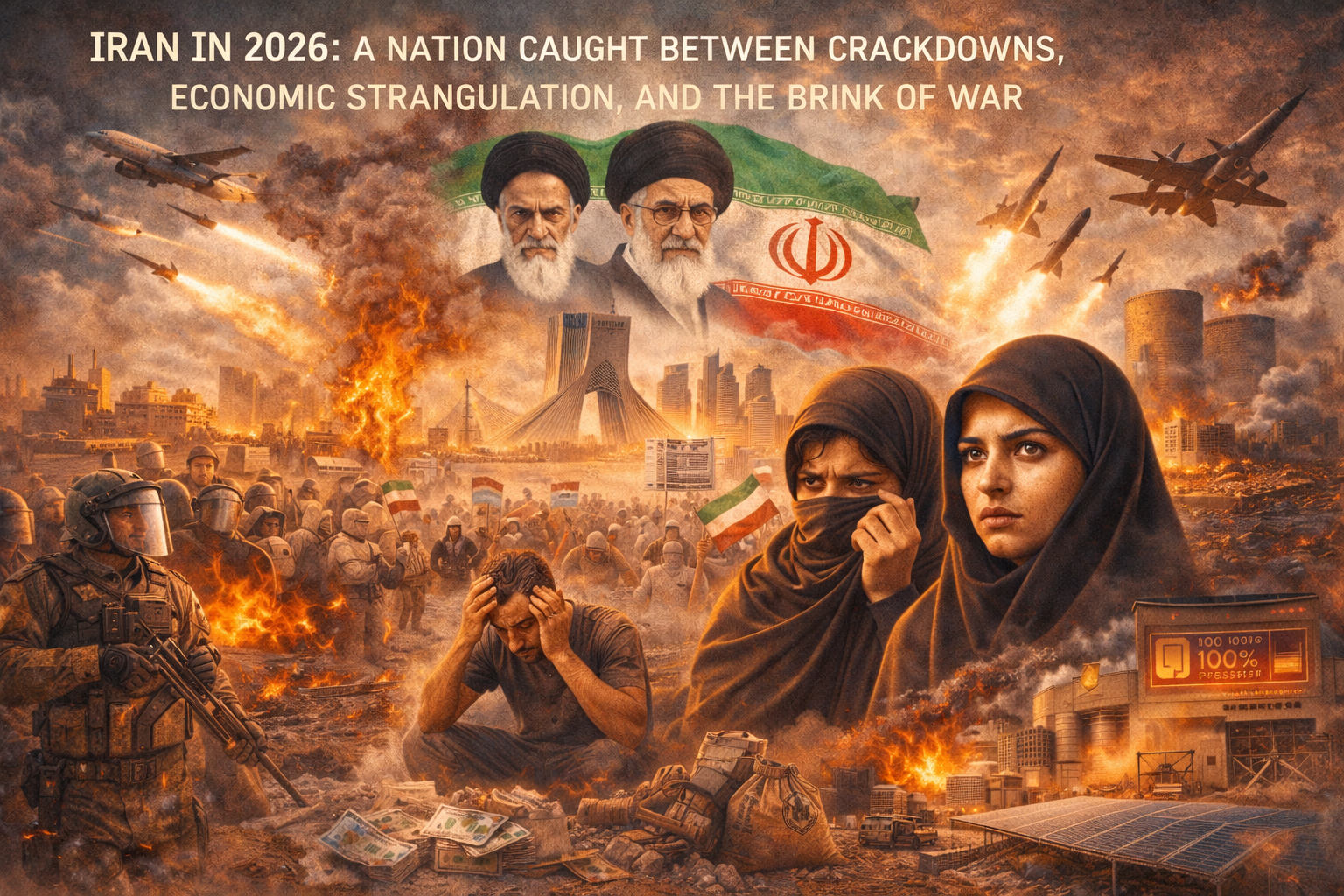
Iran in 2026: A Nation Caught Between Crackdowns, Economic Strangulation, and the Brink of War
Blog

Iran in 2026: A Nation Caught Between Crackdowns, Economic Strangulation, and the Brink of War

Monday, March 2, 2026
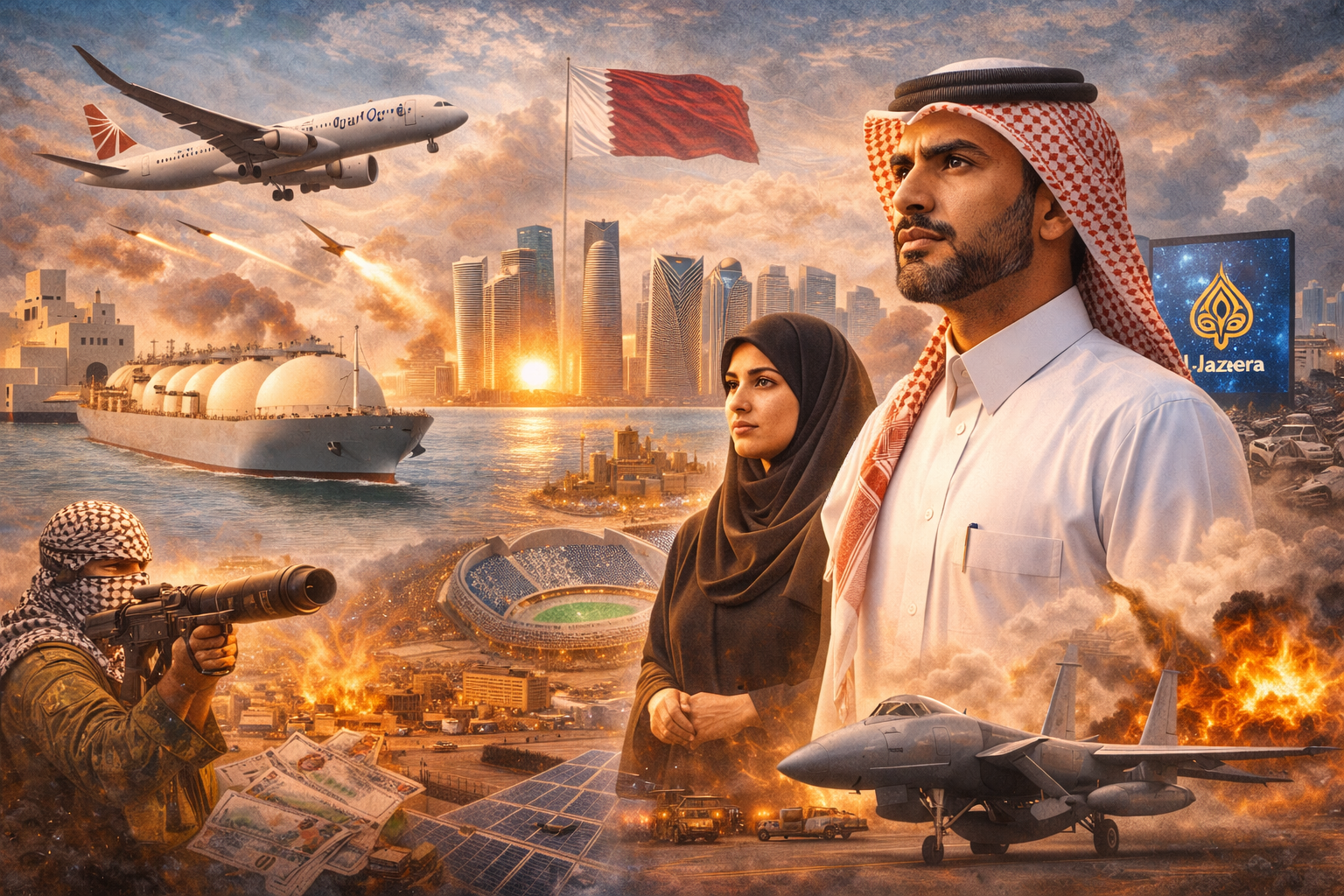
# Qatar Today: Strategy, Wealth, and Influence in a Rapidly Changing Region ## Part 1: A Small State with Outsized Influence Qatar is geographically small, but its political and economic weight far exceeds its size. With a population of under three million people—most of them expatriates—the country has positioned itself as one of the most influential actors in the Gulf. Its strategy is deliberate: leverage energy wealth, maintain strong defense ties, diversify the economy, and project diplomatic relevance. Qatar’s leadership understands a fundamental reality: survival for a small state in a volatile region depends on strategic positioning rather than sheer military power. --- ## Part 2: Energy Wealth as the Foundation Qatar’s rise is built on natural gas. It holds one of the world’s largest reserves, primarily in the North Field, which it shares with Iran. Liquefied natural gas (LNG) exports have made Qatar a central supplier to Asia and Europe. Following energy disruptions in global markets, Qatar expanded long-term LNG contracts with countries seeking stable alternatives. Energy is not just revenue—it is geopolitical leverage. --- ## Part 3: Economic Diversification Beyond Gas Recognizing the risks of relying solely on hydrocarbons, Qatar has invested heavily in diversification. Finance, aviation, logistics, tourism, and sports development are key pillars. State-backed funds have acquired global assets ranging from real estate to stakes in multinational corporations. Still, diversification is incomplete. Hydrocarbon revenues remain dominant, and transforming a rent-based economy into a productivity-driven one is structurally challenging. --- ## Part 4: The Global Aviation Hub One of Qatar’s most visible symbols of modernization is Qatar Airways. The airline has become a major global carrier, connecting Asia, Europe, and Africa through Doha. Aviation strengthens tourism, trade, and diplomatic engagement. It also enhances soft power—national branding matters in global politics. --- ## Part 5: Diplomacy as Survival Strategy Qatar pursues an active and sometimes unconventional diplomatic approach. It maintains open channels with competing regional and global actors, from Western governments to Islamist movements. This multi-track diplomacy has sometimes caused friction with neighbors, but it also makes Qatar a valuable intermediary. Doha frequently hosts negotiations and conflict talks. That mediator role is not ideological—it is strategic. --- ## Part 6: Security and Defense Partnerships Despite its wealth, Qatar’s security ultimately depends on alliances. The country hosts a major U.S. military installation and maintains defense partnerships with Western powers. This arrangement creates a protective umbrella while allowing Qatar to pursue an independent diplomatic posture. It is a calculated balance: autonomy without isolation. --- ## Part 7: After the Gulf Blockade The 2017–2021 blockade imposed by several neighboring states reshaped Qatar’s domestic and foreign policy priorities. Supply chains were redirected. Economic self-reliance increased. Political messaging emphasized sovereignty. Rather than isolating Doha, the crisis accelerated investment in domestic production and strengthened ties with alternative partners. The episode reinforced Qatar’s long-standing lesson: dependence is vulnerability. --- ## Part 8: The World Cup Effect Hosting the 2022 FIFA World Cup marked a turning point in global perceptions. The event dramatically elevated Qatar’s international profile. Massive infrastructure projects—stadiums, metro systems, roads—transformed the urban landscape. The tournament also attracted scrutiny over labor rights and working conditions. Reforms followed, though critics debate their depth and enforcement. The global spotlight was both opportunity and pressure test. --- ## Part 9: Media and Influence Qatar’s global media presence is anchored by Al Jazeera. Since its founding in the 1990s, the network has shaped political discourse across the Arab world and beyond. Its coverage has often challenged regional governments, contributing to tensions but also solidifying Qatar’s brand as a platform for debate. Media, like energy and diplomacy, forms part of the country’s influence toolkit. --- ## Part 10: Relations with Regional Powers Qatar maintains pragmatic ties across political divides. It shares the world’s largest gas field with Iran, while simultaneously cooperating with Gulf partners. It supports reconstruction and humanitarian efforts in conflict zones without fully aligning with one axis of power. This careful calibration requires constant adjustment. Any regional escalation—whether involving Iran, Israel, or Gulf states—tests Doha’s balancing strategy. --- ## Part 11: Domestic Structure and Governance Qatar is a monarchy led by the Al Thani family. Political reforms have moved gradually, with limited electoral participation in certain advisory institutions. However, executive authority remains centralized. The government argues that stability and economic performance justify the governance model. Critics push for expanded political participation and stronger institutional accountability. --- ## Part 12: Climate and Long-Term Sustainability As one of the world’s highest per-capita carbon emitters, Qatar faces environmental challenges. Extreme heat, water scarcity, and carbon dependency are structural concerns. The government has invested in solar projects and carbon capture initiatives, but transitioning from fossil fuel wealth while remaining a major exporter presents a strategic contradiction. Managing that paradox will define its long-term trajectory. --- ## Part 13: The Road Ahead Qatar today stands at a crossroads shaped by wealth, ambition, and geopolitical uncertainty. Its strengths are clear: financial reserves, strategic diplomacy, and global visibility. Its risks are equally real: hydrocarbon dependence, regional volatility, and the constraints of small-state security. The country’s future will depend on maintaining its balancing act—between major powers, between tradition and modernization, and between economic diversification and energy dominance. Qatar has proven adaptable under pressure. Whether it can sustain that adaptability in a more unstable global order will determine if its outsized influence continues—or gradually narrows.
Blog

Qatar Today: Strategy, Wealth, and Influence in a Rapidly Changing Region

Saturday, February 28, 2026
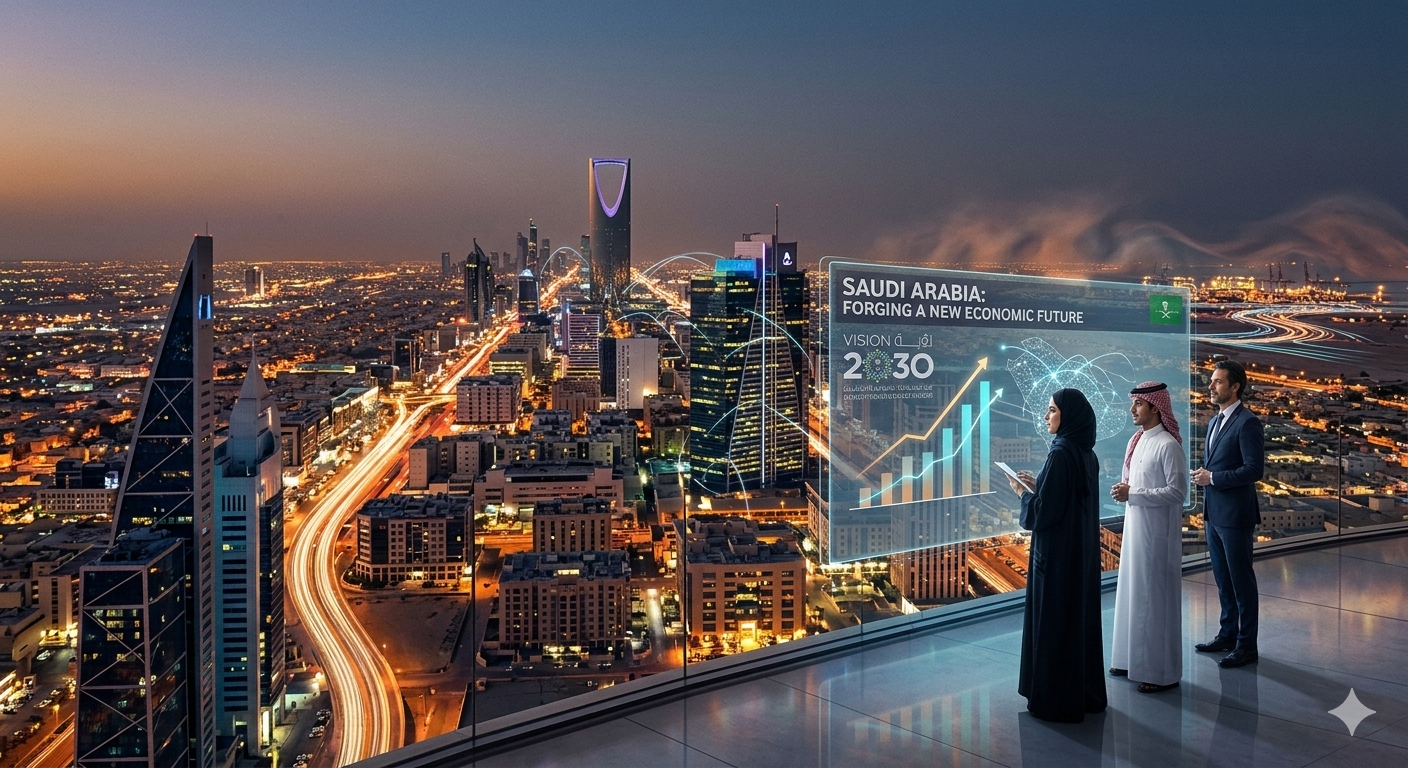
Saudi Arabia Today: Navigating Regional Crisis While Forging a New Economic Future
Blog

Saudi Arabia Today: Navigating Regional Crisis While Forging a New Economic Future

Saturday, February 28, 2026
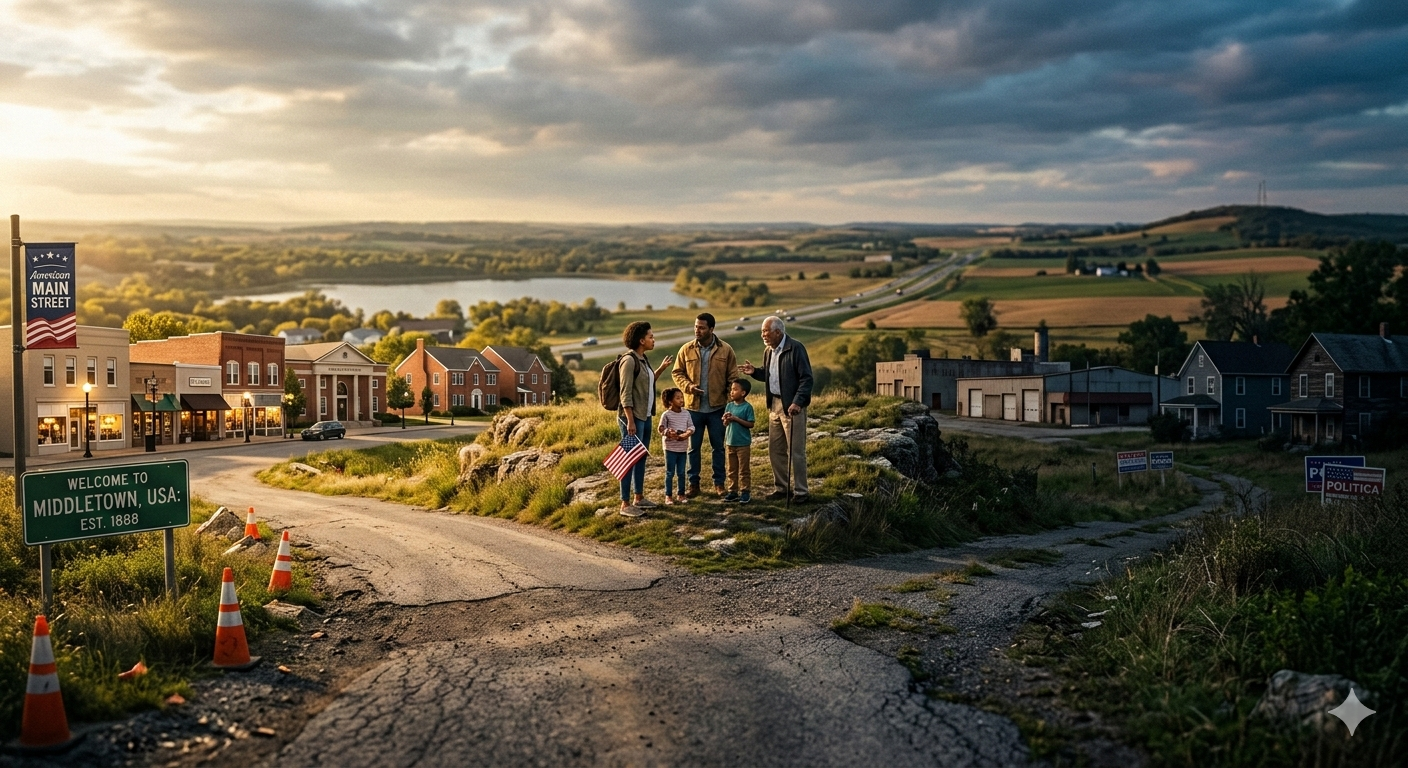
America at the Precipice: The United States Today
Blog

America at the Precipice: The United States Today

Saturday, February 28, 2026
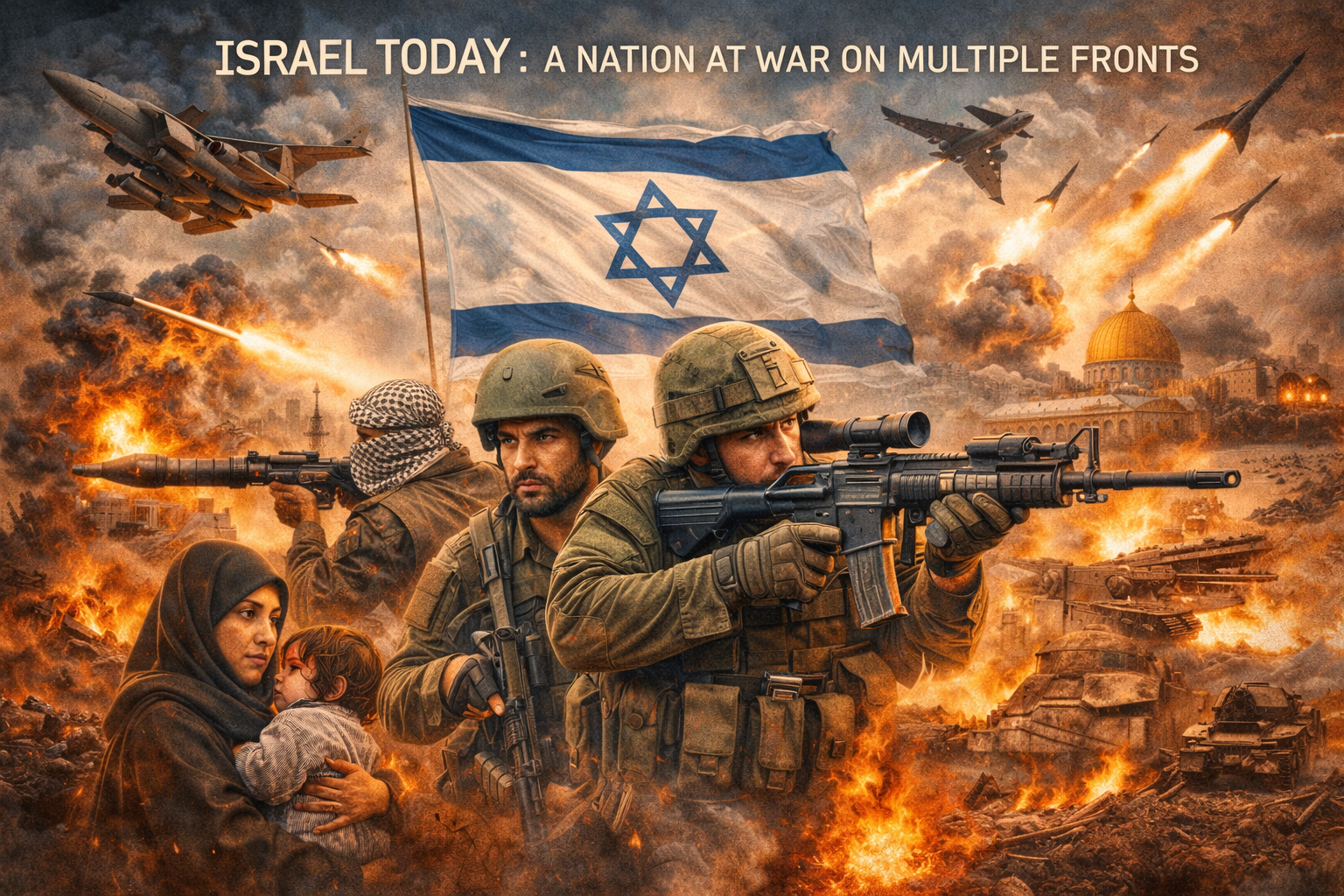
Israel Today: A Nation at War on Multiple Fronts
Blog

Israel Today: A Nation at War on Multiple Fronts

Saturday, February 28, 2026
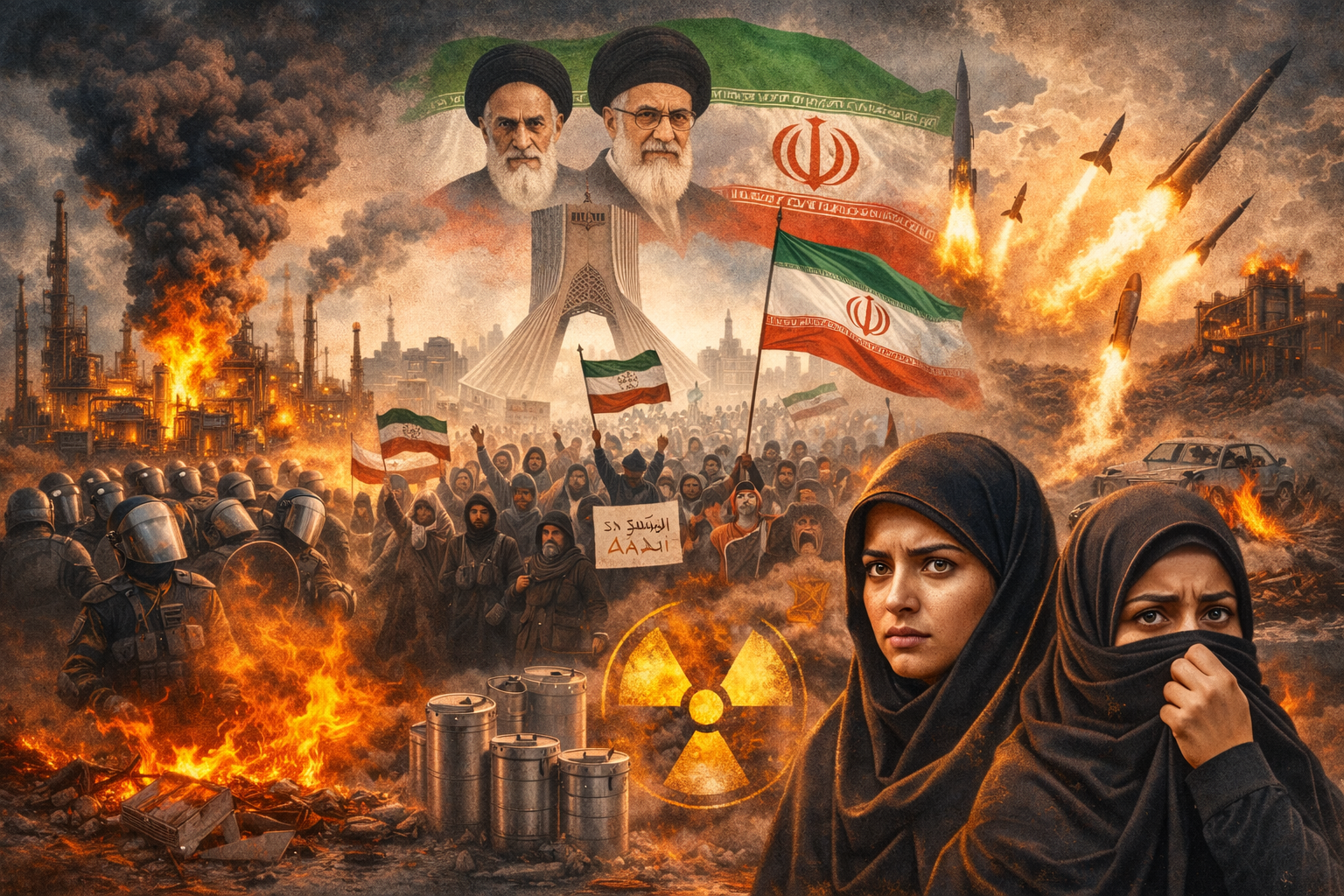
Iran Today: A Nation on the Brink
Blog

Iran Today: A Nation on the Brink

Saturday, February 28, 2026
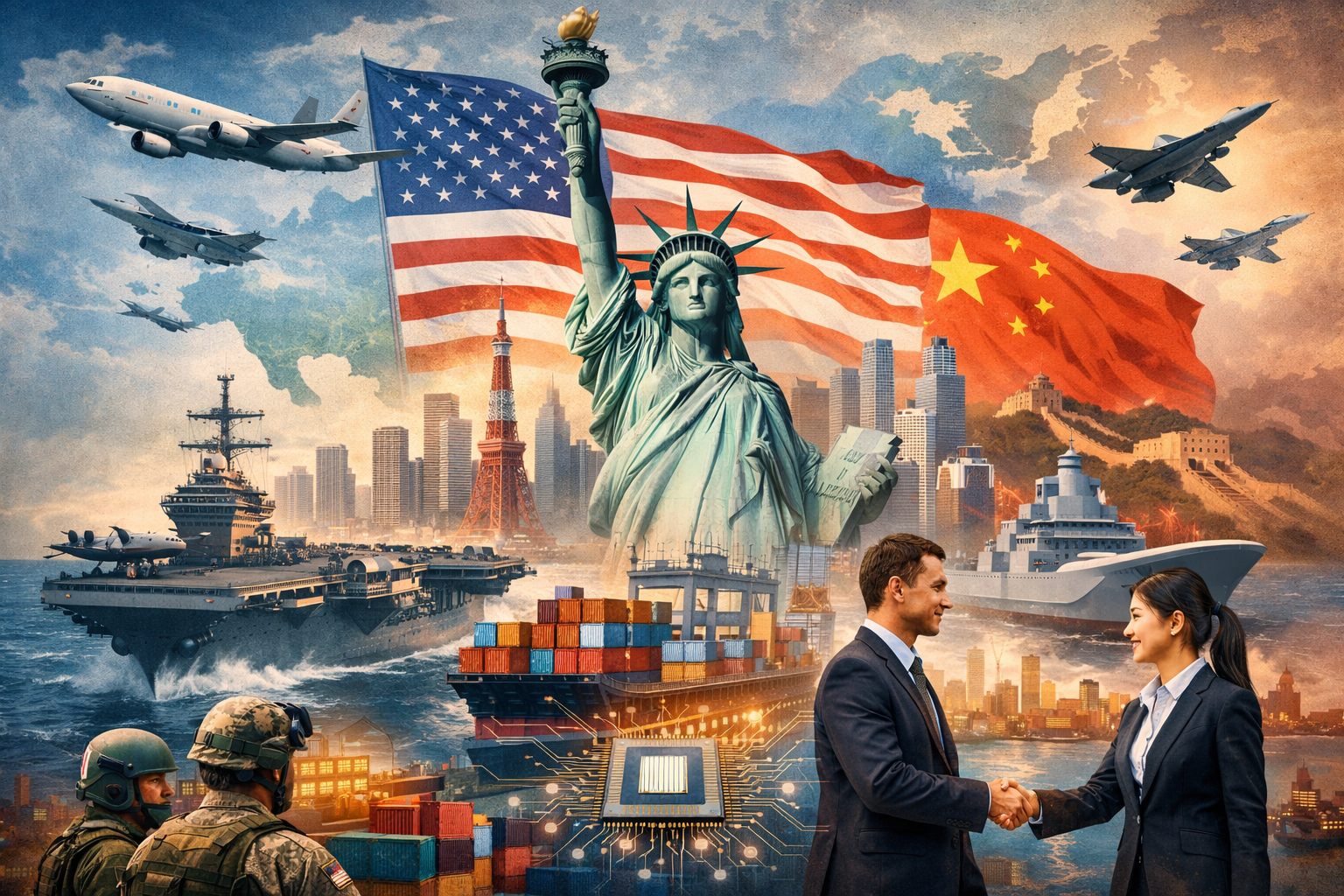
America Today in Asia: Power, Presence, and Pragmatism in a Changing Region
Blog

America Today in Asia: Power, Presence, and Pragmatism in a Changing Region

Tuesday, February 24, 2026
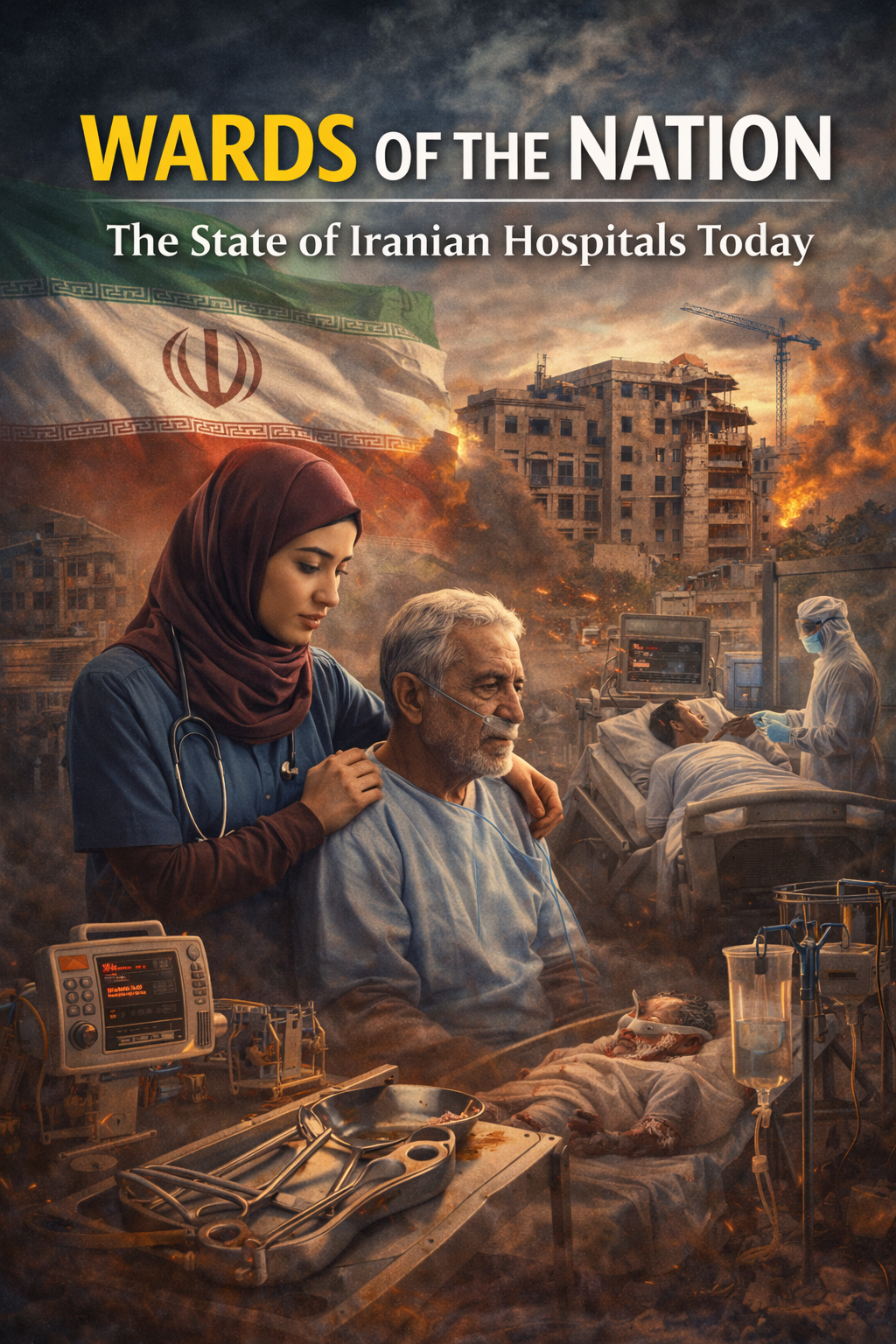
Wards of the Nation: The State of Iranian Hospitals Today
Health

Wards of the Nation: The State of Iranian Hospitals Today

Tuesday, February 24, 2026
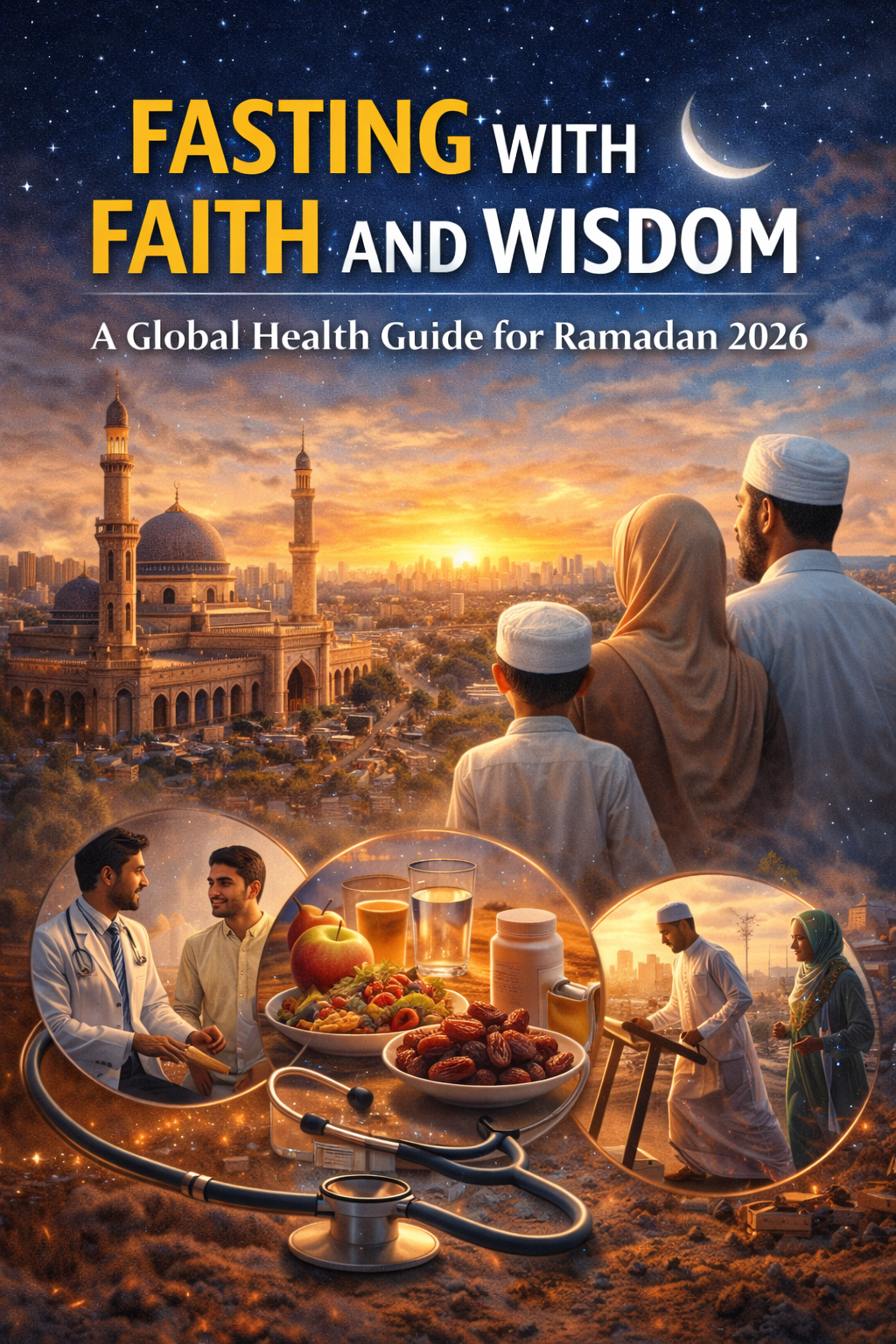
Fasting with Faith and Wisdom: A Global Health Guide for Ramadan 2026
Blog

Fasting with Faith and Wisdom: A Global Health Guide for Ramadan 2026

Tuesday, February 24, 2026
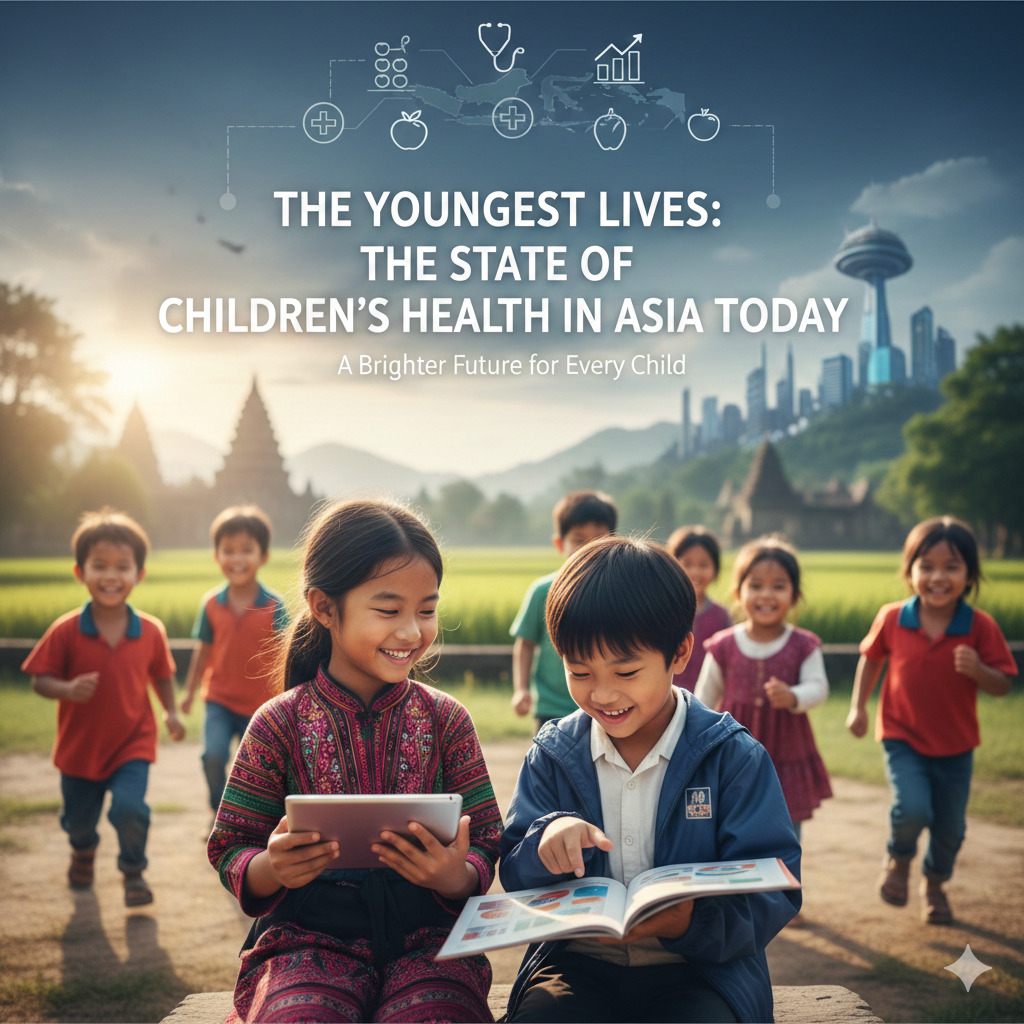
The Youngest Lives: The State of Children's Health in Asia Today
Health

The Youngest Lives: The State of Children’s Health in Asia Today

Saturday, February 21, 2026
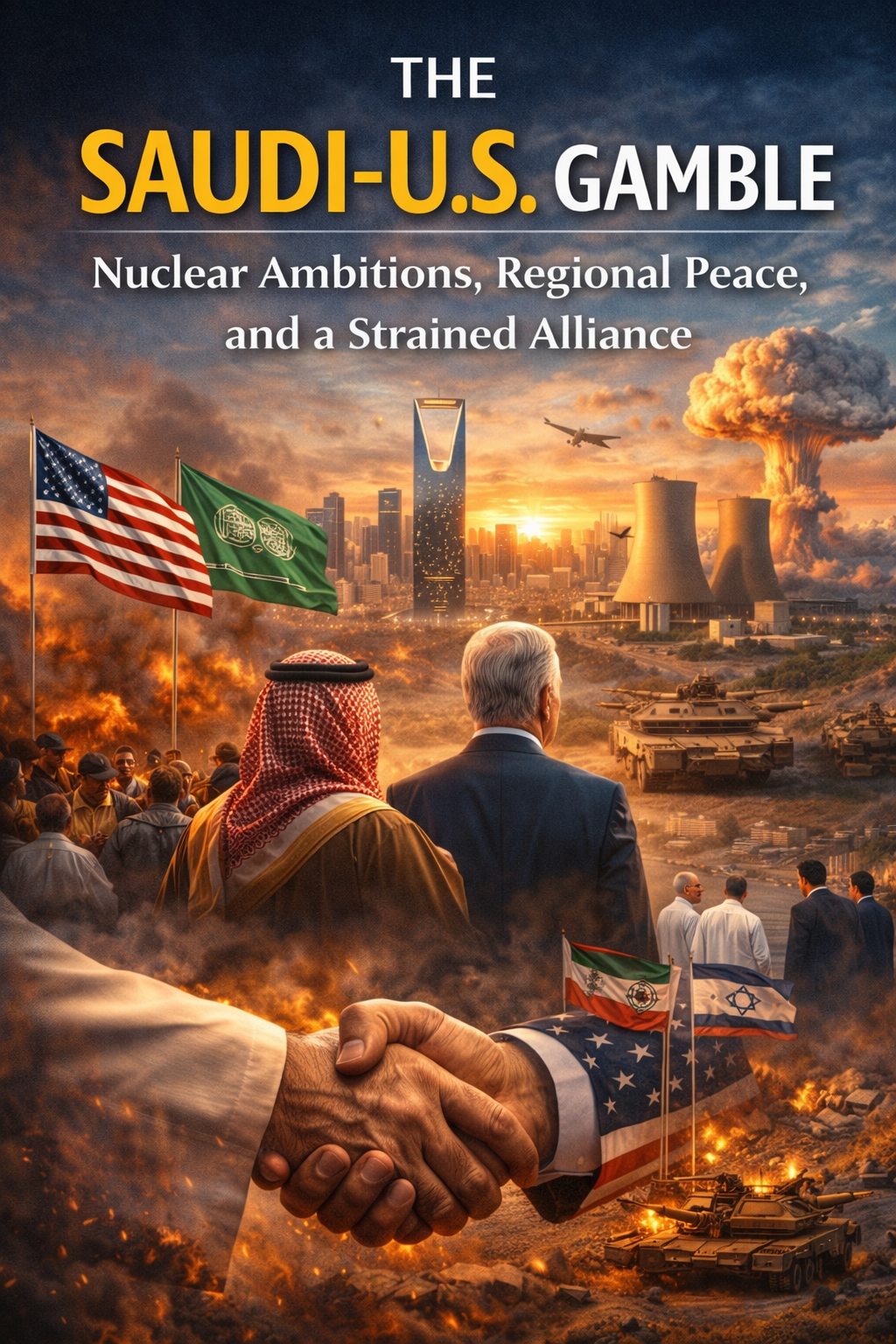
The Saudi-U.S. Gamble: Nuclear Ambitions, Regional Peace, and a Strained Alliance
Blog

The Saudi-U.S. Gamble: Nuclear Ambitions, Regional Peace, and a Strained Alliance

Saturday, February 21, 2026
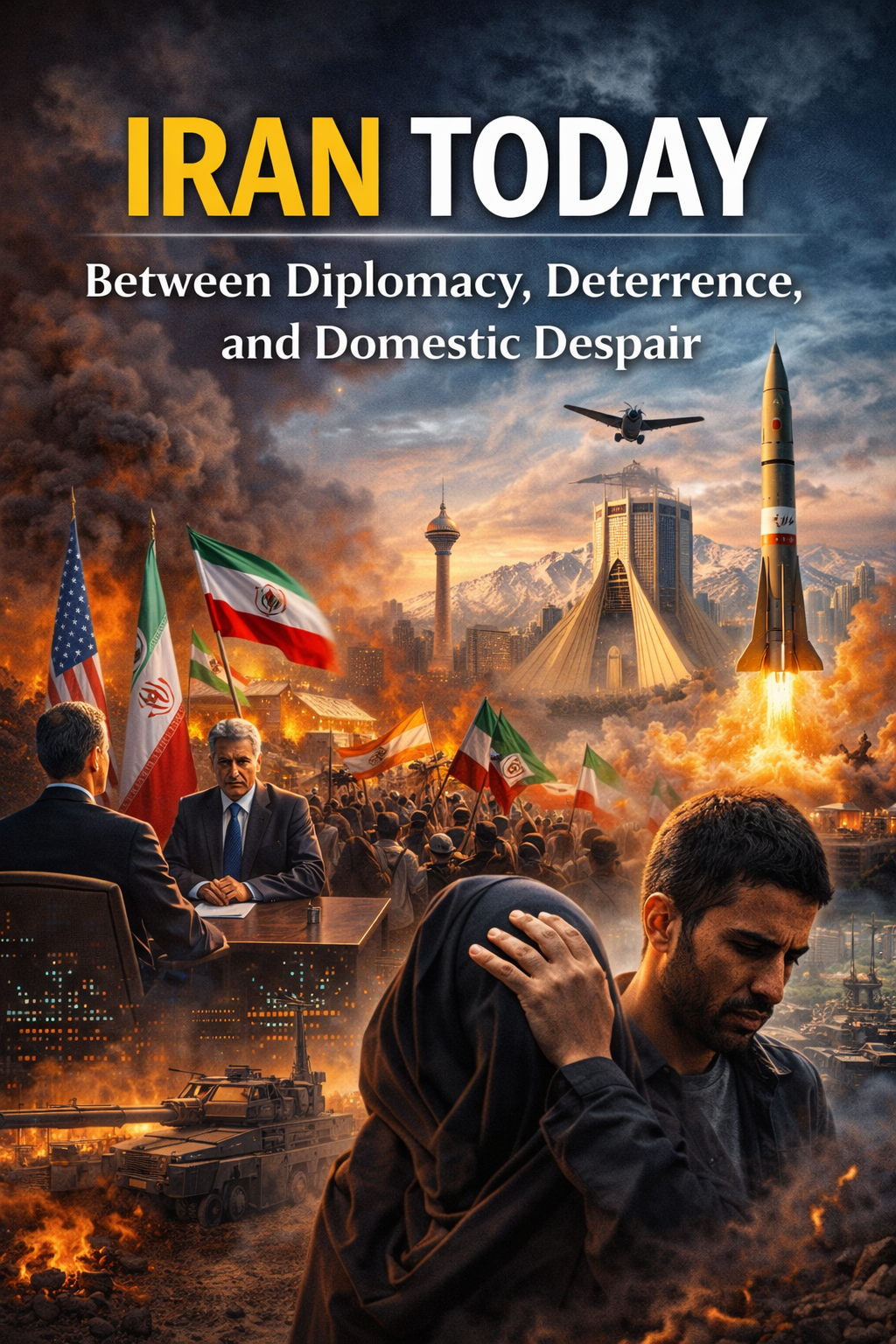
Iran Today: Between Diplomacy, Deterrence, and Domestic Despair
Blog

Iran Today: Between Diplomacy, Deterrence, and Domestic Despair

Saturday, February 21, 2026
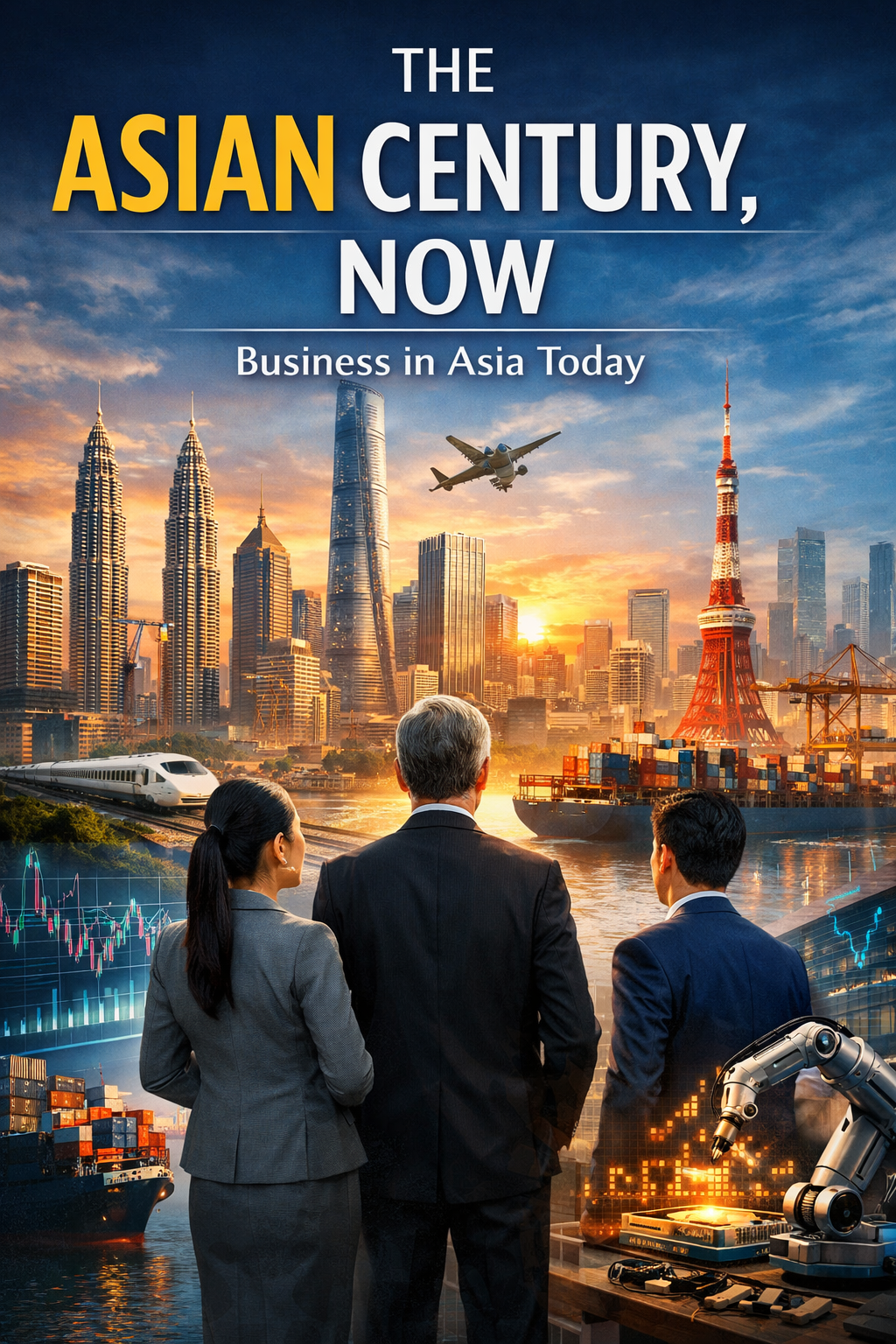
The Asian Century, Now: Business in Asia Today
Business

The Asian Century, Now: Business in Asia Today

Saturday, February 21, 2026
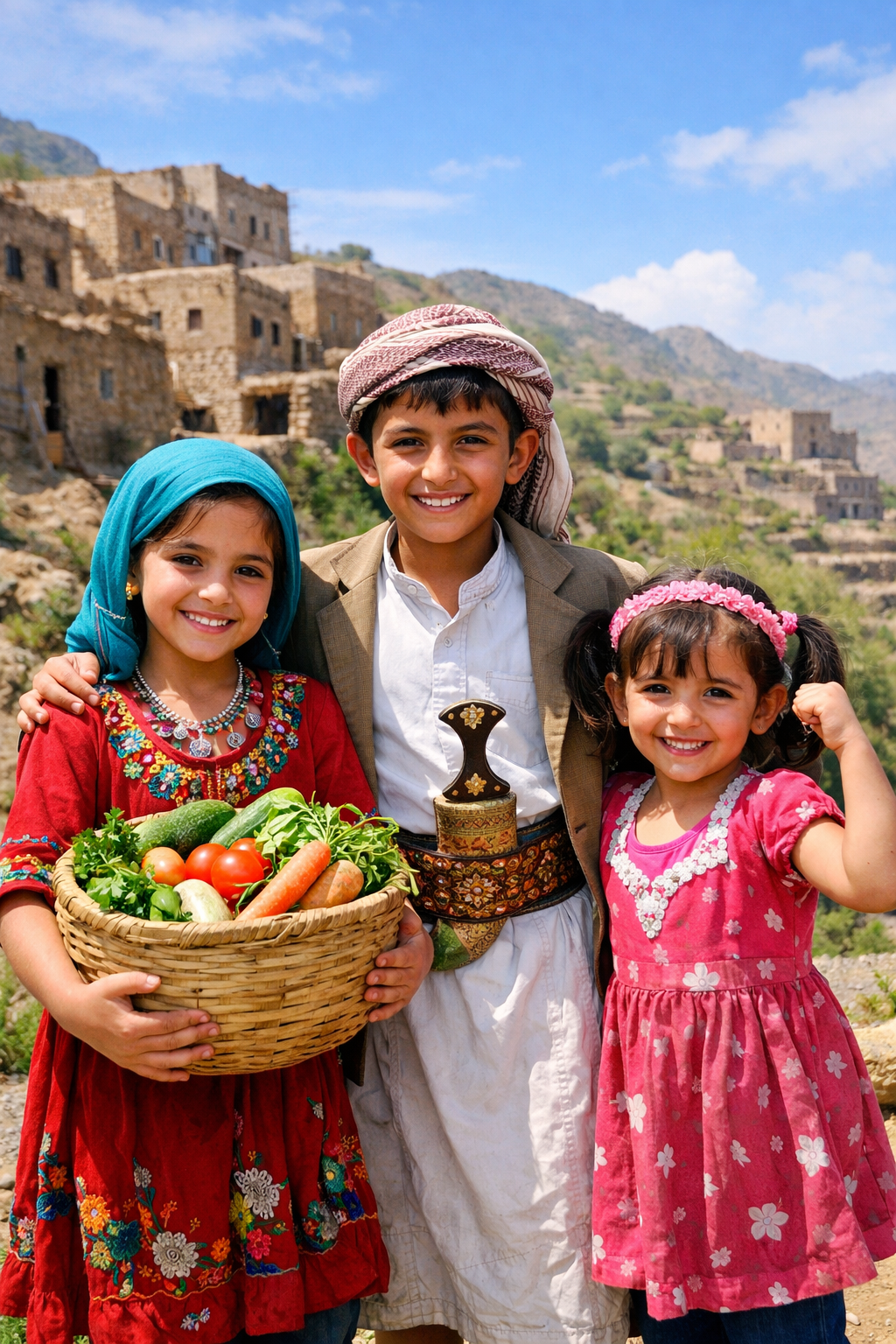
Generation on the Edge: The State of Children's Health in Yemen Today
Health

Generation on the Edge: The State of Children’s Health in Yemen Today

Thursday, February 19, 2026
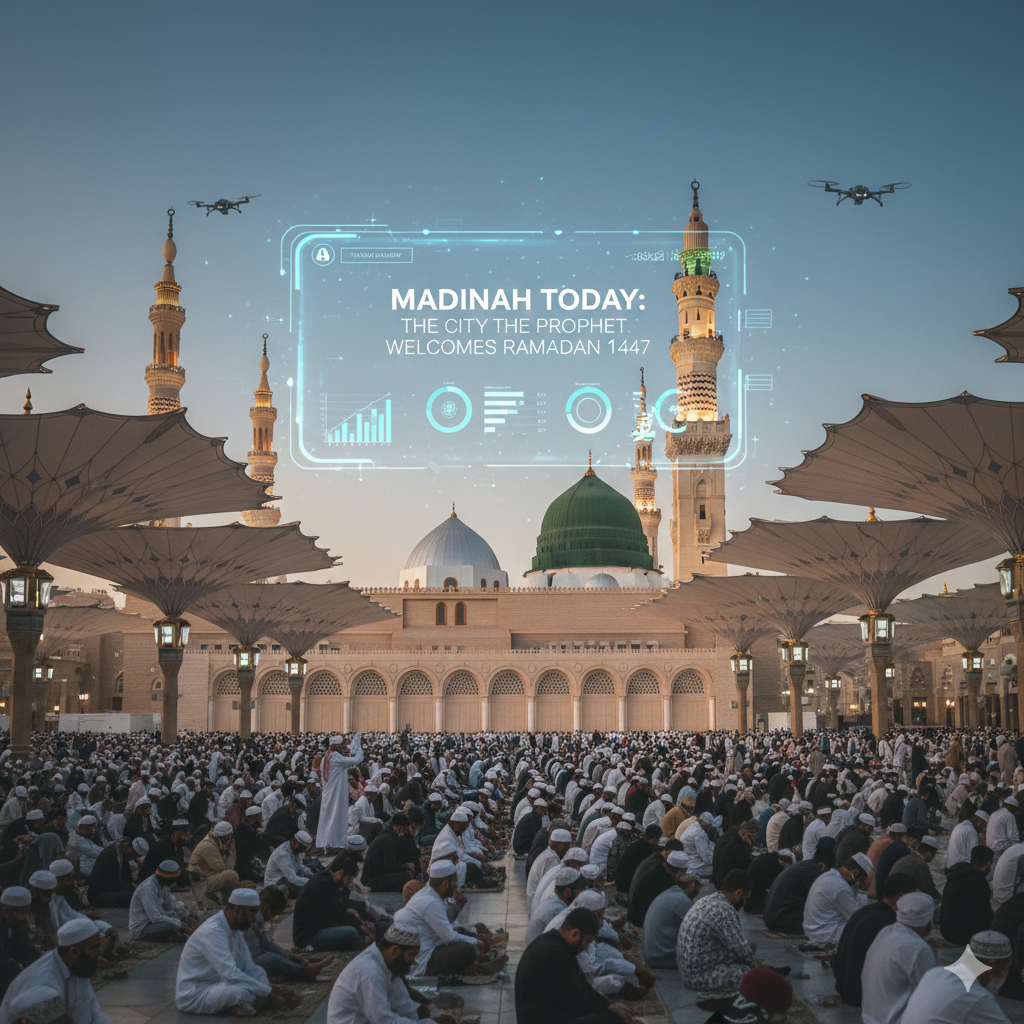
Madinah Today: The City of the Prophet Welcomes Ramadan 1447
Blog

Thursday, February 19, 2026
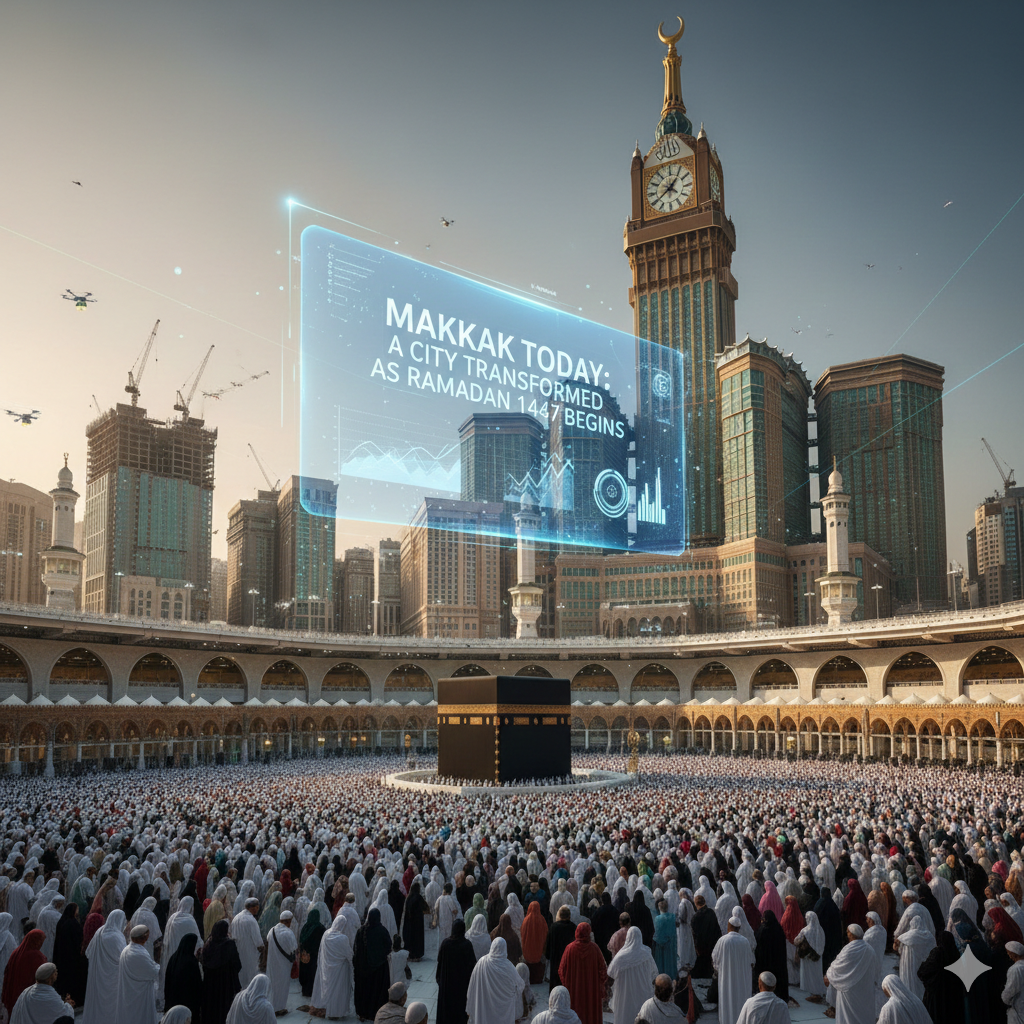
Makkah Today: A City Transformed as Ramadan 1447 Begins
Blog

Makkah Today: A City Transformed as Ramadan 1447 Begins

Thursday, February 19, 2026
The Ball in America's Court: Iran-U.S. Relations at a Diplomatic Crossroads
Blog

The Ball in America’s Court: Iran-U.S. Relations at a Diplomatic Crossroads

Thursday, February 19, 2026
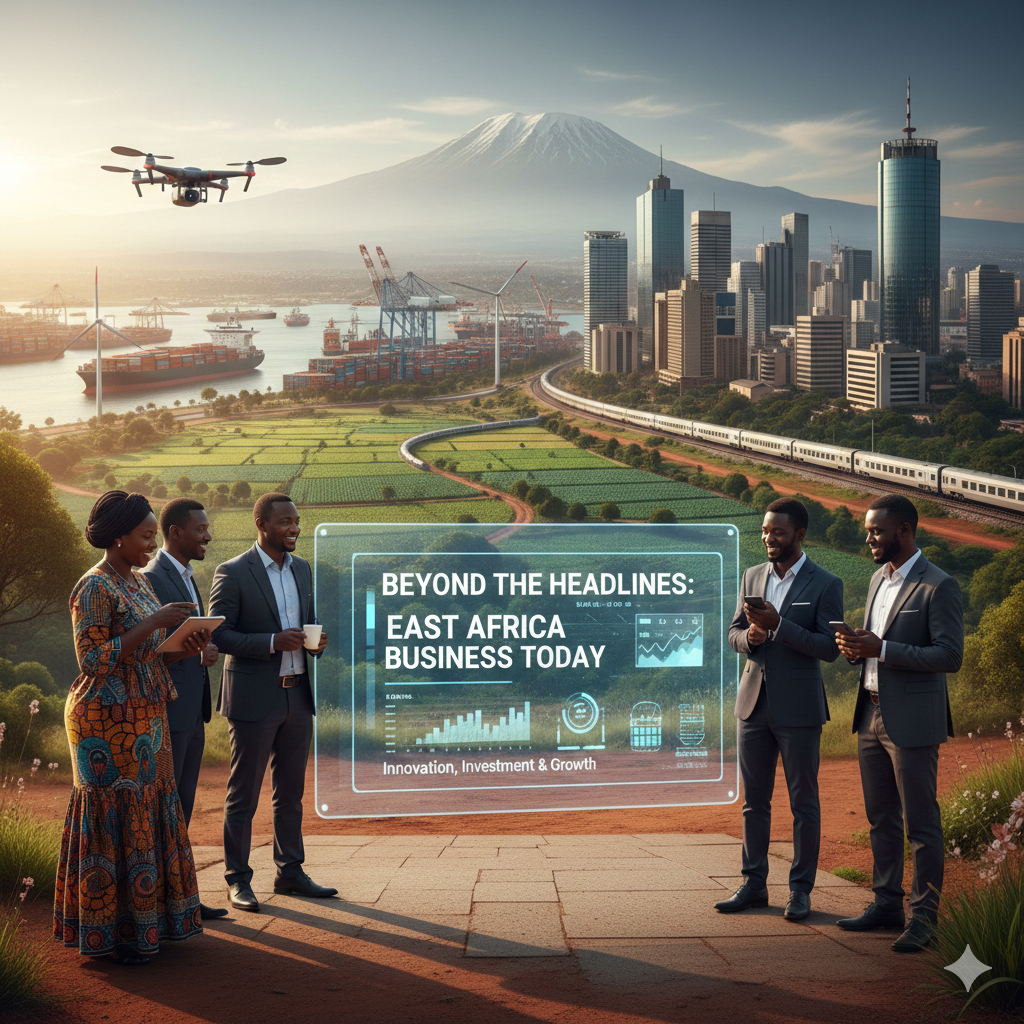
Beyond the Headlines: The State of Business in East Africa Today
Business

Beyond the Headlines: The State of Business in East Africa Today

Thursday, February 19, 2026
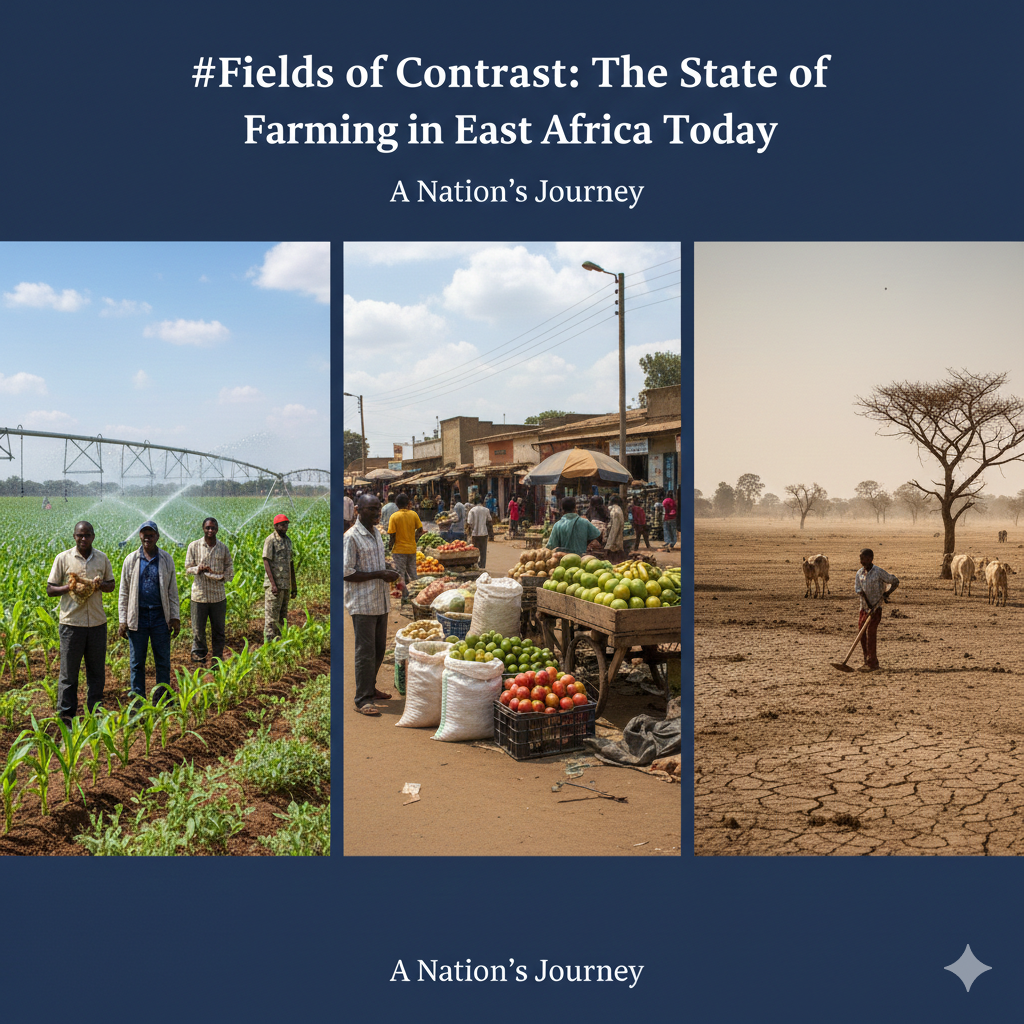
Fields of Contrast: The State of Farming in East Africa Today
Business

Fields of Contrast: The State of Farming in East Africa Today

Monday, February 16, 2026
A Crisis in Plain Sight: The State of Children's Health in East Africa Today
Health

A Crisis in Plain Sight: The State of Children’s Health in East Africa Today

Monday, February 16, 2026
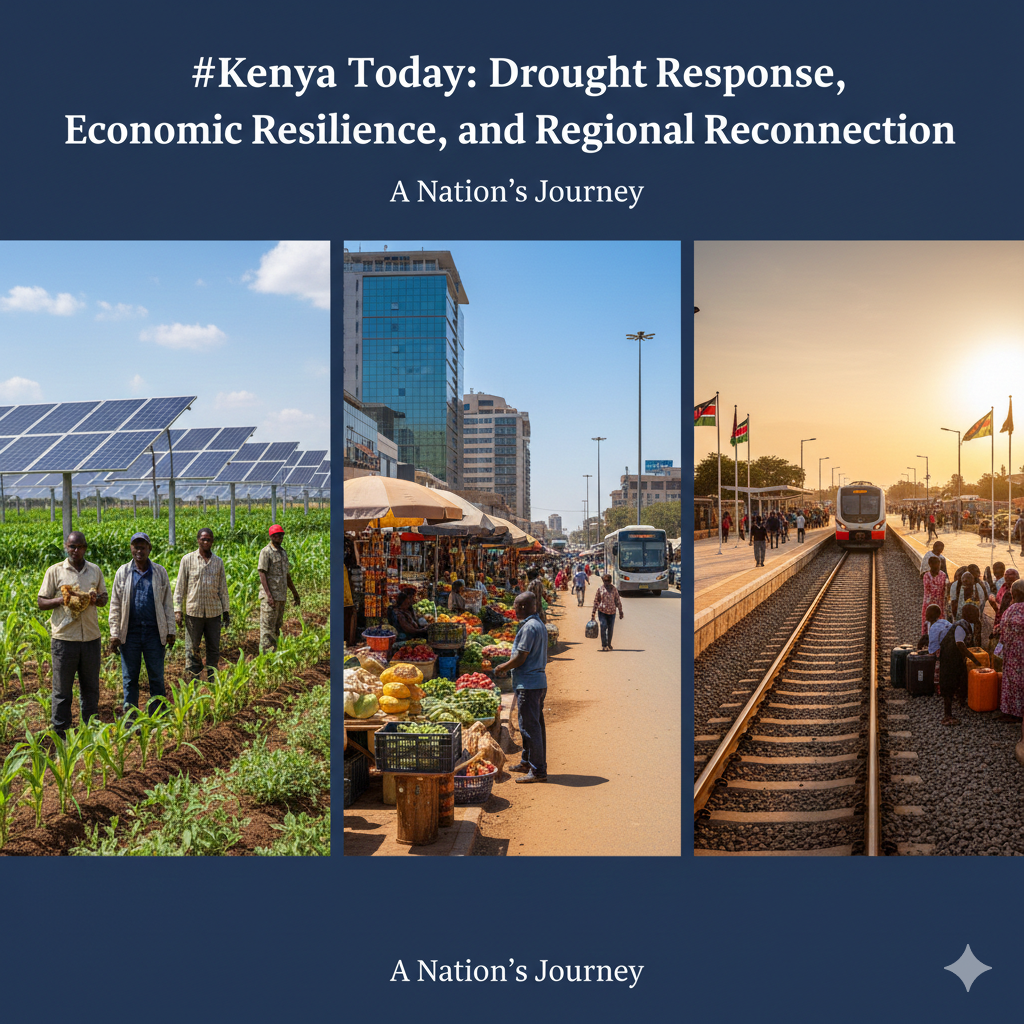
# Kenya Today: Drought Response, Economic Resilience, and Regional Reconnection
Blog

Kenya Today: Drought Response, Economic Resilience, and Regional Reconnection

Monday, February 16, 2026
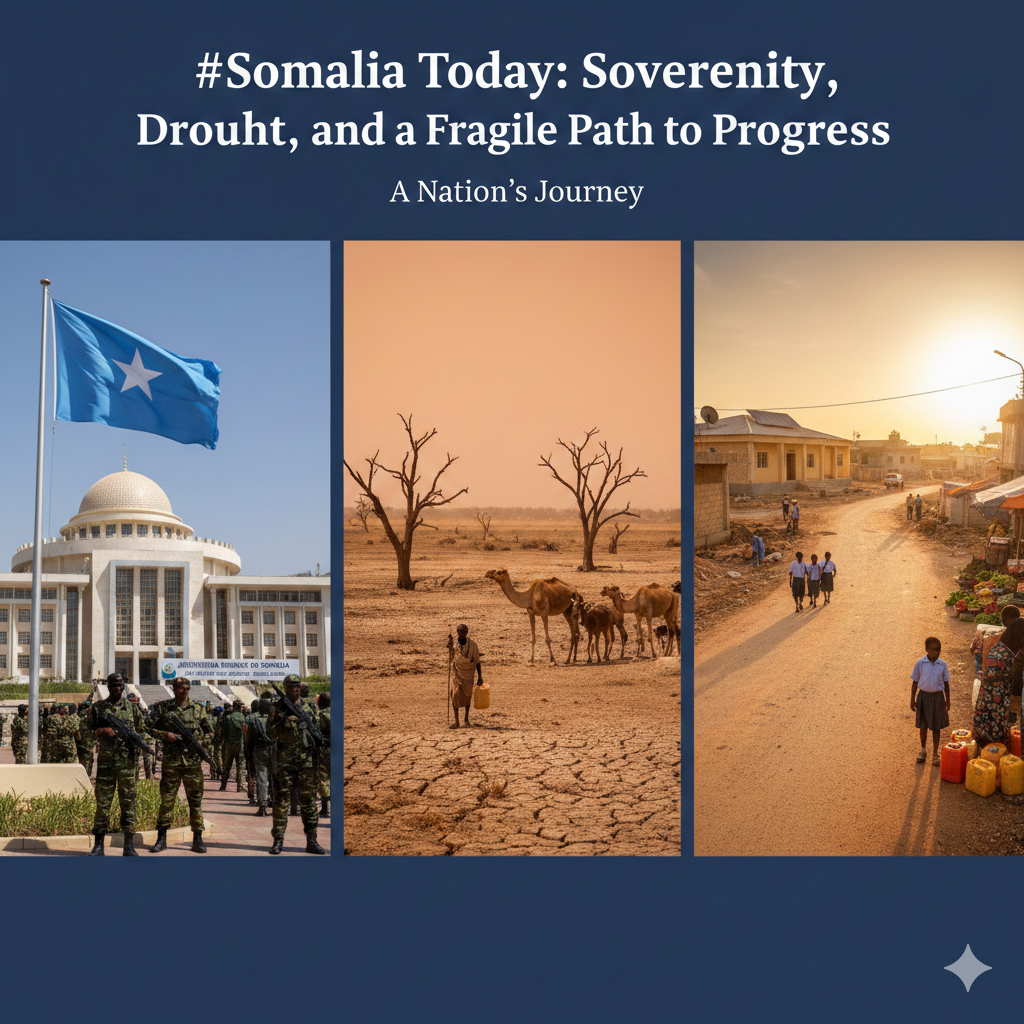
# Somalia Today: Sovereignty, Drought, and a Fragile Path to Progress
Blog

Somalia Today: Sovereignty, Drought, and a Fragile Path to Progress

Monday, February 16, 2026
Load More

Quick Link

  • Home
  • About Us

Resource

  • Blog
  • Support

Social

  • Facebook
  • Twitter
  • Instagram

Legal

  • Terms and Conditions
  • Privacy Policy
  • Disclaimer
midraar24

Copyright © 2025  By midraar24. All rights reserved.