

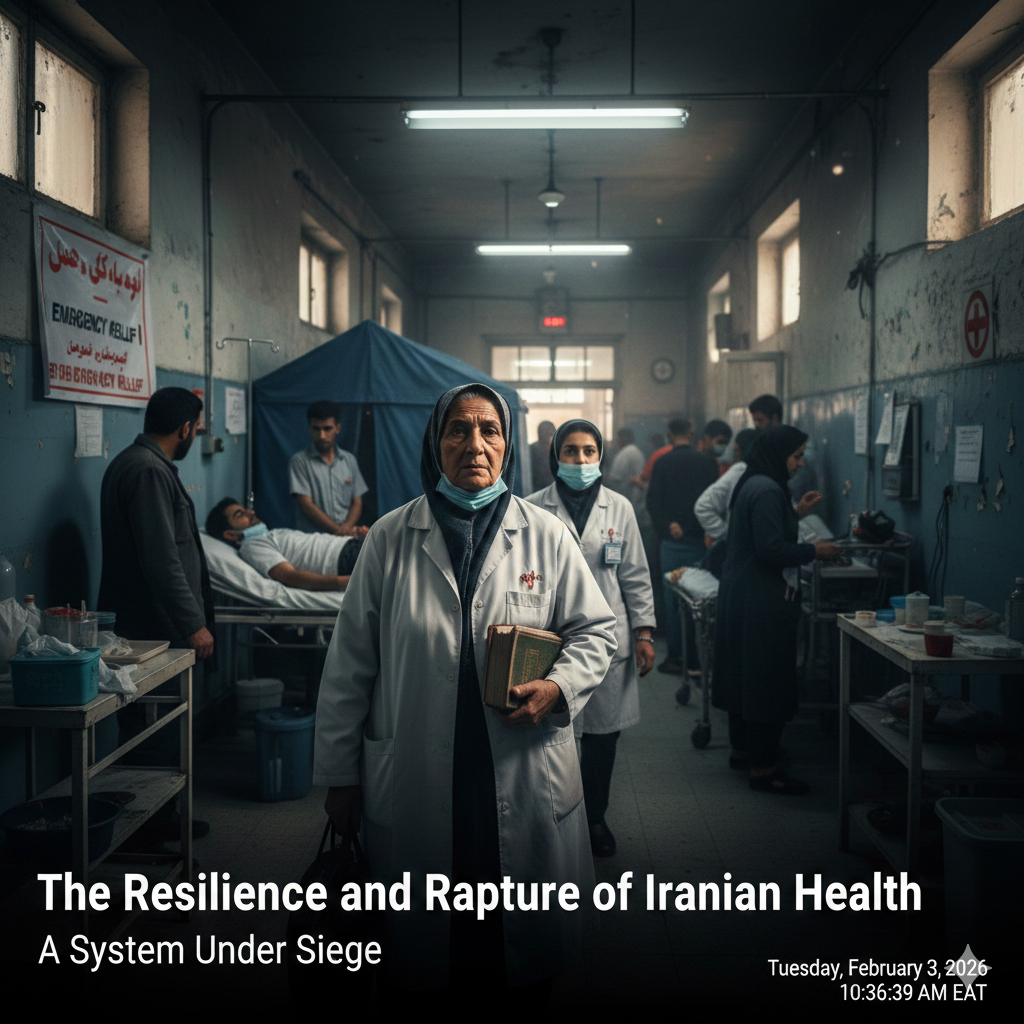
TEHRAN, Iran – The Iranian healthcare system today stands as a potent symbol of national paradox. It is a realm of profound achievement, boasting advanced medical research, high-caliber specialists, and a vast network of primary care clinics that rival many middle-income nations. Yet, this same system is being stretched to the breaking point, caught in a vortex of unprecedented economic pressure, geopolitical isolation, and a rapidly changing demographic and disease profile. The story of Iranian health is one of remarkable resilience by its medical community and citizens, battling against a tide of sanctions, mismanagement, and a society in epidemiological transition.
A Legacy of Strength: The Primary Care Backbone and Scientific Prowess
To understand the crisis, one must first acknowledge the system’s robust foundations. The Islamic Republic’s early investment in a Primary Health Care (PHC) network, particularly in rural areas, is considered a global success story. Modeled partly on China’s “barefoot doctors,” the deployment of Behvarz (community health workers) and the establishment of rural Health Houses drastically improved indicators like infant mortality, vaccination coverage, and maternal health from the 1980s onward. This legacy of universal access remains a critical, if strained, asset.
Furthermore, Iran possesses a highly educated medical establishment. Its physicians and surgeons are renowned for their skill, with the country serving as a regional hub for complex procedures like organ transplants, cardiac surgery, and infertility treatments. Iranian medical scientists contribute to international journals, and the country’s domestic pharmaceutical industry, built out of necessity, has historically met a significant portion of local demand for generic drugs.
The Stranglehold of Sanctions: The “Maximum Pressure” on Medicine
The single most destabilizing factor for Iranian health today is the regime of severe international sanctions, particularly the U.S. “maximum pressure” campaign reinstated in 2018. While medicines and humanitarian goods are technically exempt, the sanctions create a near-insurmountable “financial and logistical blockade.”
- The Banking Chokehold: International banks, terrified of punitive U.S. fines, refuse to process any transactions linked to Iran, including those for vital drugs and medical equipment. This forces payments through convoluted, expensive middlemen, drastically increasing costs and causing crippling delays.
- The Supply Chain Crisis: Importing raw materials for pharmaceuticals, specialized spare parts for MRI and dialysis machines, and advanced cancer drugs has become a logistical nightmare. Companies like Swiss pharmaceutical giants, once major suppliers, have withdrawn due to compliance risks.
- The Drug Shortage Epidemic: The result is chronic, severe shortages of life-saving medications. Patients with cancer, multiple sclerosis (MS), hemophilia, and thalassemia are the most visible victims. Newspapers regularly publish anguished pleas from families searching for specific chemotherapies or clotting factors. The black market for these drugs flourishes, with prices often 10 to 20 times the official rate, placing them far out of reach for ordinary citizens. The mental anguish for patients and families is immeasurable.
Economic Collapse and the Erosion of Public Health
Runaway inflation, a currency in freefall, and plummeting living standards have created a secondary public health disaster. As household purchasing power has evaporated, nutritional security has collapsed. Reports from inside Iran indicate a shift from protein-rich diets to cheaper, carbohydrate-heavy foods, leading to rising rates of childhood stunting and micronutrient deficiencies even as obesity paradoxically persists in urban areas—a sign of poor-quality calories.
The economic crisis has also hollowed out the public health infrastructure. Environmental and occupational health monitoring has suffered. Air pollution in cities like Tehran and Isfahan, already catastrophic, sees less effective mitigation. Stress-related illnesses, depression, and anxiety are rampant, exacerbated by social restrictions and a bleak economic outlook. The mental health crisis is a silent, growing epidemic with insufficient resources to address it.
The Double Burden of Disease: An Aging Population and Lifestyle Shifts
Like many developing nations, Iran faces a “double burden” of disease. It continues to manage communicable diseases while confronting a surge in non-communicable diseases (NCDs).
- The NCD Tsunami: Cardiovascular disease is the nation’s leading killer. Rates of diabetes, hypertension, and cancers are soaring, driven by urbanization, sedentary lifestyles, high tobacco use (especially among men), and a diet increasingly high in sugar and processed fats. The system, already struggling with sanctions, is now burdened with the expensive, long-term care these chronic conditions require.
- The COVID-19 Crucible: The pandemic brutally exposed the system’s vulnerabilities. Initial denial, followed by a cycle of waves, lockdowns, and reopenings under economic duress, led to one of the world’s highest death tolls. While Iranian scientists worked rapidly on domestic vaccine candidates, the initial embargo on imports of Western vaccines via COVAX for political reasons cost lives and deepened public distrust in the state’s management of health.
Social Dynamics and Health Equity
Health outcomes are also shaped by Iran’s unique social dynamics. The state’s strict moral codes and mandatory hijab laws have, at times, created barriers. Public health campaigns on sensitive topics like HIV/AIDS or sexual health can be hampered by conservative mores. However, Iranian women have shown extraordinary agency within these constraints. Female healthcare workers form the majority of the sector, and female university graduates in medical and public health fields far outnumber men, creating a potent force for change from within.
Brain drain, or the “human capital flight,” of medical professionals is a severe, long-term threat. Frustrated by low salaries (decimated by inflation), difficult working conditions, and limited professional freedom, thousands of highly-trained physicians, nurses, and researchers emigrate annually, primarily to Europe, North America, and Turkey. This depletion of the system’s brightest minds is perhaps the most insidious sanction of all.
Resilience and Innovation: The Domestic Mobilization
In response, Iran has mobilized a “resistance economy” for health. This has spurred a degree of painful innovation:
- Pharmaceutical Self-Sufficiency Push: There is a redoubled effort to produce more active pharmaceutical ingredients (APIs) and complex generics domestically. While achieving some successes, the quality and scope remain inconsistent, and the lack of international collaboration slows advancement.
- Telemedicine Expansion: Sanctions and the pandemic have accelerated the adoption of digital health platforms for consultations, prescriptions, and follow-ups, helping to bridge gaps in access.
- Community and NGO Action: Grassroots organizations and charities, often with ties to the diaspora, work heroically to source and distribute medicines, filling some of the gaps left by the state’s failing procurement.
The Path Forward: A Prognosis of Uncertainty
The future of Iranian health is inextricably linked to the geopolitical and economic fate of the nation. Several paths exist:
- Continued Erosion: Should sanctions and economic malaise persist, the system will continue its decline. The public health gains of past decades will reverse, with the poor and chronically ill suffering most. The exodus of professionals will accelerate.
- Diplomatic Breakthrough & Rehabilitation: A revival of the nuclear deal (JCPOA) or a new diplomatic understanding could ease financial sanctions, allowing for the swift import of medicines and equipment. This would provide immediate relief but would not undo years of infrastructural decay and brain drain.
- Systemic Reform from Within: Regardless of politics, there is a pressing need for domestic reform: combating corruption in procurement, increasing health budgets, implementing effective preventive public health campaigns against NCDs, and creating incentives to retain medical talent.
Conclusion: The Canary in the Coalmine
The healthcare crisis in Iran is more than a domestic tragedy; it is a stark warning. It demonstrates that modern medicine, for all its advances, is fragile. It depends on global supply chains, financial integration, and stable societies. When these are severed, it is not politicians but patients who pay the ultimate price.
The resilience of Iranian doctors, nurses, and citizens is being tested like never before. They navigate a system where world-class expertise exists alongside desperate shortages, where a legacy of public health achievement is being undone by forces beyond hospital walls. The health of Iran today is a barometer of the nation’s distress and a testament to the human capacity to endure. Its recovery depends on a fragile alchemy of geopolitics, economic policy, and the unwavering commitment of its healthcare heroes, who continue to serve in the face of rupture.
