

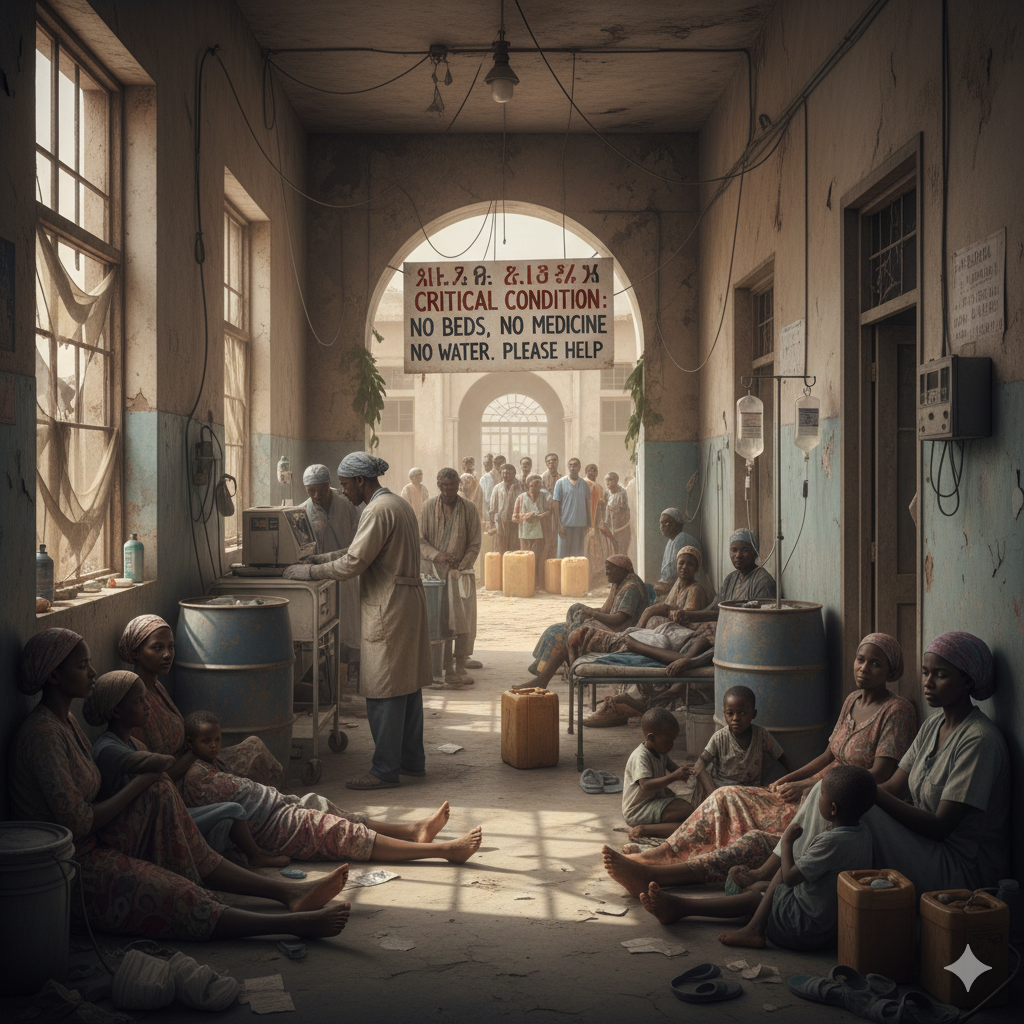
In the heart of Mogadishu, beneath the relentless sun, the nation’s largest hospital, Medina, operates in a state of perpetual triage. Its corridors, often crowded with the wounded from the latest blast or outbreak, tell a story of resilience stretched beyond its limits. Somalia’s healthcare system, decimated by three decades of state collapse, conflict, and climate shocks, represents one of the world’s most profound medical emergencies. The problems plaguing its hospitals are not a simple list of deficiencies but a complex, interlocking web of crises where each failing system exacerbates another, trapping medical staff and patients in a cycle of barely managed catastrophe.
The Foundation of the Crisis: A System Built on Sand
Somalia’s health infrastructure was largely destroyed in the civil war. What exists today is a fragile patchwork, heavily reliant on international donors and NGOs. The public healthcare system is weak and underfunded, with the Ministry of Health struggling to provide oversight or consistent support. This has led to a proliferation of private, often unregulated, clinics and hospitals, creating a two-tier system where quality care is a commodity available only to those who can pay. For the majority, public and charitable hospitals are the only option, and they are buckling under the strain.
The Seven Critical Symptoms: A Diagnosis of Systemic Failure
- Catastrophic Shortages of Human Resources: Somalia suffers from one of the world’s lowest physician-to-population ratios. The brain drain has been relentless; generations of doctors, nurses, and specialists have fled conflict, instability, and poor pay. Those who remain are heroes of endurance, but they are too few, overworked, and often under-trained for the complexity of cases they face. There is a critical lack of specialized surgeons, anesthetists, pediatricians, and midwives. Medical schools exist, but their output is a trickle against a tsunami of need, and new graduates often seek opportunities abroad, perpetuating the cycle.
- The Scourge of Inadequate Infrastructure and Supplies: Many hospitals lack consistent access to the most basic necessities. Electricity is sporadic, forcing surgeons to operate by phone light or solar lanterns during frequent blackouts, and jeopardizing the refrigeration of vaccines and medicines. Clean water and sanitation are not guaranteed, turning hospitals themselves into sites of infection risk. The supply chain for essential medicines, vaccines, anesthesia, antibiotics, and surgical supplies is fragmented and unreliable. Stock-outs are chronic, leaving doctors to make agonizing choices about who receives treatment. Basic equipment like X-ray machines, incubators, and sterilizers are often broken, outdated, or absent.
- Financial Barriers and the Poverty Trap: Somalia has no functional national health insurance. Healthcare is overwhelmingly out-of-pocket. For a population where a majority lives on less than $2 a day, even a modest hospital fee is catastrophic. This leads to delayed care—patients arrive at hospitals only when their conditions are dire and more expensive to treat. Families are forced to sell assets, plunge into debt, or make heartbreaking decisions about which child to treat. The fear of medical bills keeps people away until it is too late, driving up mortality rates for preventable and treatable diseases.
- The Double Burden of Disease: Somali hospitals are besieged by a relentless caseload. Communicable diseases like cholera, measles, malaria, tuberculosis, and pneumonia are endemic, flaring into epidemics with seasonal rains and displacement. Diarrheal diseases, a leading killer of children, are fueled by poor sanitation and malnutrition. Simultaneously, non-communicable diseases (NCDs)—diabetes, hypertension, cancer, and kidney disease—are rising rapidly, but the system lacks the diagnostic tools, specialist doctors, and long-term management programs to handle them. This double burden collapses the already thin line between emergency and chronic care.
- The Unending Trauma of Conflict and Violence: Hospitals are on the front lines of Somalia’s protracted insecurity. They bear witness to the human cost of Al-Shabaab attacks, clan conflicts, and military operations. Mass casualty events overwhelm emergency rooms designed for dozens, not hundreds. Surgeons become experts in blast and ballistic injuries. Furthermore, hospitals and medical personnel are not always seen as neutral; they have been targeted in attacks, and medical convoys are regularly blocked or taxed at checkpoints, a deadly violation of humanitarian principles.
- Maternal and Child Health: A National Emergency: Somalia has one of the highest maternal and under-five mortality rates in the world. Hospitals often lack dedicated maternity wards, neonatal intensive care units, and enough skilled birth attendants. Women frequently give birth at home without care, arriving at hospital with life-threatening complications like obstetric fistulas or hemorrhages. Malnutrition is a silent, pervasive threat, underlying over half of all child deaths. Pediatric wards are filled with emaciated children battling measles or pneumonia, their bodies too weak to fight.
- The Psychosocial Wound: After 30 years of trauma, the mental health burden is colossal. Conditions like depression, PTSD, and anxiety are widespread, yet there is extreme stigma and virtually no mental health services integrated into general hospitals. The psychological toll on healthcare workers themselves—who work in constant stress with minimal support—is severe, leading to burnout and attrition.
External Pressures: Climate Shocks and Displacement
The hospital crisis is exponentially worsened by climate change and displacement. Recurrent droughts decimate livestock and crops, driving malnourished, destitute families into overcrowded camps on the outskirts of cities. These informal settlements (IDP camps) are breeding grounds for disease outbreaks, which then flood urban hospitals. Seasonal floods destroy roads, cutting off access to medical facilities and contaminating water sources, leading to cholera. Hospitals become the dumping ground for these converging ecological and social disasters.
Glimmers of Hope and the Path to Stabilization
Despite the overwhelming odds, there are points of light. Dedicated Somali health professionals, often working with international NGOs like MSF, the ICRC, and WHO, perform miracles daily with limited resources. There is a growing network of Somali diaspora doctors returning to train staff and offer specialist services. The Federal Government, with donor support, has developed essential health service packages and is slowly trying to rebuild regulatory frameworks.
Meaningful progress, however, requires a fundamental shift in approach:
- Invest in People: A massive, coordinated investment in training, retaining, and protecting healthcare workers is the single most urgent need. This includes competitive salaries, security provisions, and continuous professional development.
- Strengthen the Core Public System: Donor aid must move beyond parallel, project-based support to building sustainable government-led systems for supply chains, infrastructure, and payroll.
- Explore Innovative Financing: Models like community-based health insurance or catastrophic care funds must be piloted to reduce the financial shock of hospital care for the poorest.
- Integrate Services: A focus on robust primary healthcare—vaccination campaigns, prenatal care, malnutrition treatment—is essential to keep people out of overwhelmed hospitals.
Conclusion: More Than a Building, A Testament
A hospital in Somalia is more than a medical facility; it is a barometer of the nation’s stability and hope. The problems within its walls—the shortages, the overcrowding, the preventable deaths—are a direct reflection of the problems outside them: poverty, conflict, and fragility. Healing these hospitals will require more than medical supplies; it will require peace, functional governance, and a global commitment to long-term, systemic support. Until then, the doctors and nurses of Somalia will continue their heroic work, battling not just disease, but the very conditions that make disease so deadly, holding the line for a healthier future that remains, for now, just out of reach.
