

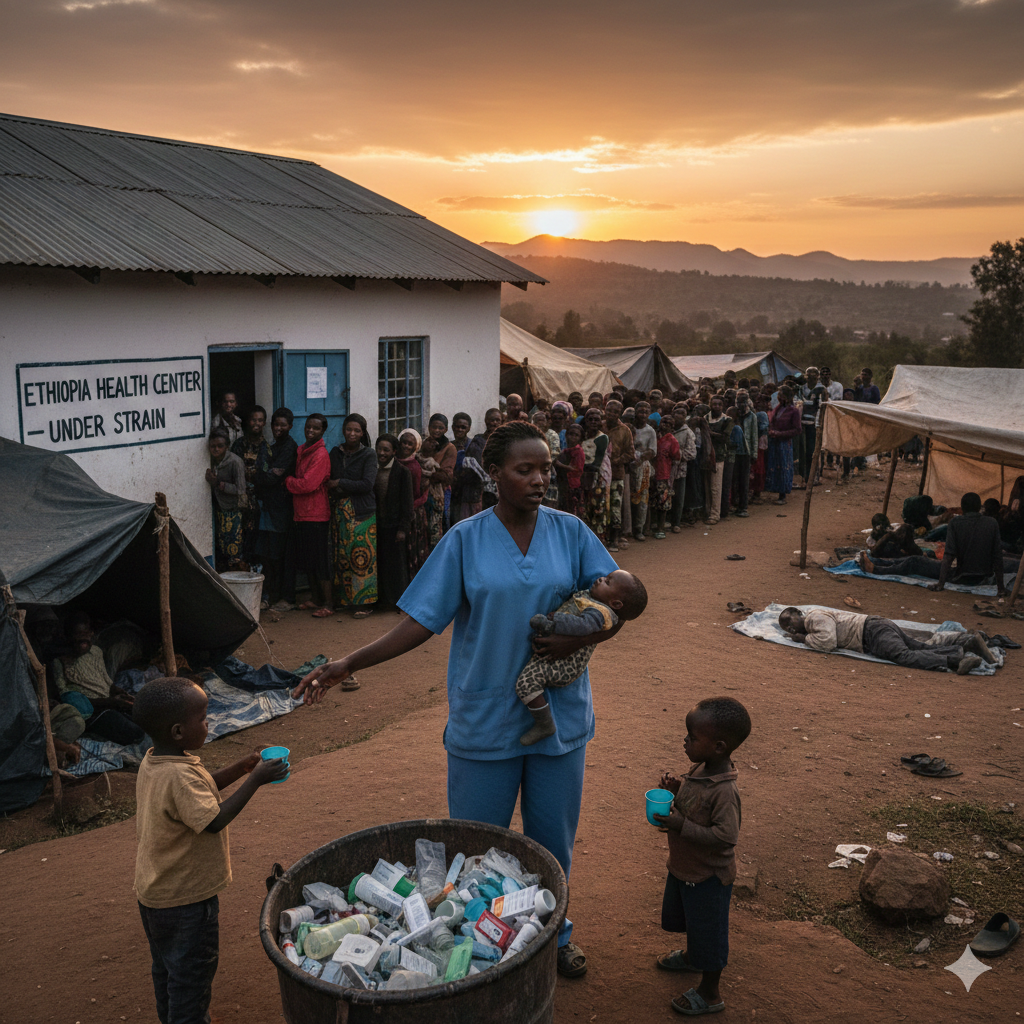
ADDIS ABABA, Ethiopia – In a nation celebrated for ancient civilizations and a modern economic ascent, the state of public health presents a stark, contrasting narrative. Ethiopia’s health system today is a story of remarkable progress and profound vulnerability, a delicate structure built on the tireless work of community health heroes yet strained to its breaking point by conflict, climate shocks, and the relentless tide of demographic change. Emerging from a devastating two-year civil war, the nation’s health indicators are a map of its deep-seated inequalities and its unwavering commitment to a primary care model that remains a beacon for the developing world.
The Architecture of Access: The Health Extension Program
Any analysis of Ethiopian health must begin with its most celebrated innovation: the Health Extension Program (HEP). Launched in 2003, this community-based strategy deployed over 40,000 female Health Extension Workers (HEWs) to rural villages, bringing basic care to doorsteps for the first time. Armed with a standardized kit and training in 16 essential packages—from family planning and immunizations to sanitation and malaria prevention—HEWs are the bedrock of the system. Their work is credited with monumental gains: a dramatic drop in child mortality, a rise in skilled birth attendance, and near-universal immunization coverage in many regions. This human infrastructure, a bridge between remote communities and static clinics, is Ethiopia’s single greatest health asset.
The Dual Burden: An Evolving Epidemiological Landscape
Ethiopia’s health profile is one of competing crises. While the country continues its long battle against infectious diseases, it is simultaneously grappling with a rapid rise in non-communicable diseases (NCDs).
- The Unfinished Fight: Malaria, tuberculosis, and diarrheal diseases remain leading causes of morbidity and mortality, particularly for children under five and in rural areas. Recurrent disease outbreaks, such as cholera and measles, are exacerbated by climate-induced flooding and displacement. HIV/AIDS, though prevalence has fallen below 1%, still requires a robust, sustained treatment program.
- The Rising Tide of NCDs: A silent epidemic of diabetes, hypertension, cardiovascular disease, and cancers is placing an unsustainable burden on a system designed for acute, episodic care. Driven by urbanization, dietary shifts, and sedentary lifestyles, NCDs now account for nearly 40% of all deaths. The health system, from HEWs to tertiary hospitals, is ill-equipped for the lifelong management these conditions require, lacking diagnostics, consistent medication supplies, and specialist capacity.
Maternal and Child Health: Progress Under Pressure
Ethiopia has made historic strides in maternal and child health, yet the figures remain sobering. The maternal mortality ratio has fallen significantly but is still estimated at 401 deaths per 100,000 live births—one of the highest in the world outside active conflict zones. Only about 50% of births are attended by skilled health personnel, with catastrophic gaps in rural and pastoralist regions. Neonatal mortality is stubbornly high. While HEWs have been instrumental in promoting antenatal care and family planning, the hard work of ensuring every woman has access to emergency obstetric care—the key to saving lives—is far from complete.
The Devastating Impact of Conflict and Climate
The recent war in Tigray, and ongoing instability in parts of Amhara and Oromia, has been a humanitarian and health catastrophe. The deliberate and systematic destruction of health infrastructure was a weapon of war. Hospitals were looted and razed, ambulances targeted, and medical supplies blocked. Tens of thousands of health workers were displaced, unpaid, or forced to flee. This has set back health outcomes in the north by a generation and created a massive burden of trauma, sexual violence, and untreated chronic conditions.
Compounding this is the climate emergency. Successive failed rainy seasons in the south and east have led to severe drought, food insecurity, and malnutrition for millions. Malnourished children are exponentially more vulnerable to infectious diseases, creating a vicious cycle of desperation. Conversely, intense flooding in other regions contaminates water sources and displaces communities, fueling outbreaks of waterborne diseases.
The System’s Fragile Backbone: Infrastructure and Human Resources
Beyond the community level, Ethiopia’s health system is fragile. The network of health centers and hospitals is severely under-resourced. Chronic shortages of essential medicines, broken diagnostic equipment, and unreliable electricity and water are commonplace. The distribution of specialists is overwhelmingly urban; a patient in a remote woreda (district) may travel days to reach a surgeon or obstetrician.
The human resource crisis is acute. Ethiopia has one of the lowest physician-to-population ratios in the world. Medical professionals face immense workloads, inadequate compensation, and often challenging living conditions, fueling a persistent “brain drain” to urban centers, neighboring countries, and the West. Retaining skilled staff, especially in rural and post-conflict areas, is a monumental challenge.
Financial Barriers and the Quest for Universal Coverage
Out-of-pocket health expenditures remain a significant barrier for families, often pushing them into poverty. The government’s Community-Based Health Insurance (CBHI) scheme, aimed at rural and informal sector workers, and the Social Health Insurance (SHI) for the formal sector, are ambitious steps toward Universal Health Coverage (UHC). However, enrollment and quality of coverage are inconsistent. The fundamental tension persists: how to fund a quality health service for over 120 million people with a still-developing economic base.
Beacons of Hope and Innovation
Despite the daunting challenges, innovation and resilience shine through.
- Digital Health Leapfrogging: Ethiopia is leveraging mobile technology to support HEWs with diagnostic algorithms and data reporting (the Digital Health Atlas). Telemedicine pilots are connecting remote clinics with specialists in Addis Ababa.
- A Focus on Public Health Emergency Management: The establishment of the Ethiopian Public Health Institute (EPHI) has strengthened disease surveillance and outbreak response, a capability tragically honed during the COVID-19 pandemic, which the country navigated with relatively early and stringent public health measures.
- The Unwavering HEW: The dedication of the Health Extension Workers, often working with minimal support in extremely difficult conditions, remains the system’s most vital component. Their integration into the community provides a model of trust-based care.
The Path Forward: Integration, Equity, and Investment
Securing health for all Ethiopians requires a multi-pronged, sustained commitment:
- Post-Conflict Reconstruction and Healing: Rebuilding shattered health systems in Tigray, Afar, and Amhara is an urgent moral and public health imperative. This includes physical infrastructure, resupplying medicines, and providing psychosocial support for a traumatized population.
- Investing in the Middle of the Pyramid: Strengthening district hospitals and health centers is critical to absorb referrals from HEWs and manage complications. This means consistent budgets for supplies, equipment maintenance, and human resources.
- Confronting the NCD Epidemic: A fundamental shift towards integrating NCD screening and management into primary care is needed, task-shifting to HEWs and health officers, and securing affordable medication supplies.
- Protecting Health from Climate Change: Building climate-resilient health facilities and designing early warning systems that link meteorological data to disease outbreak preparedness (e.g., malaria after floods) is essential.
- Prioritizing the Health Workforce: A national strategy to train, retain, and motivate health workers—through improved salaries, housing, career structures, and safe working environments—is non-negotiable.
Conclusion: The Health of a Nation
The health of Ethiopia today is a reflection of its broader journey: immense potential tested by profound adversity. The community-based model pioneered here has saved countless lives and offers lessons for the world. Yet, that model is now strained by new disease burdens and shaken by man-made and natural disasters.
Ethiopia’s demographic dividend—its youthful population—can only be realized if that generation is healthy. The choices made now—to invest equitably, to heal the wounds of war, to build a system resilient to climate and disease—will determine whether Ethiopia can consolidate its hard-won gains and ensure that the right to health is not a promise in a policy document, but a reality in every village and city. The task is herculean, but the alternative—a fractured system unable to care for its people in their times of greatest need—is unthinkable. The resilience of the Ethiopian people, mirrored in their health workers, suggests the fight for better health will continue, one community, one clinic, one life at a time.
