

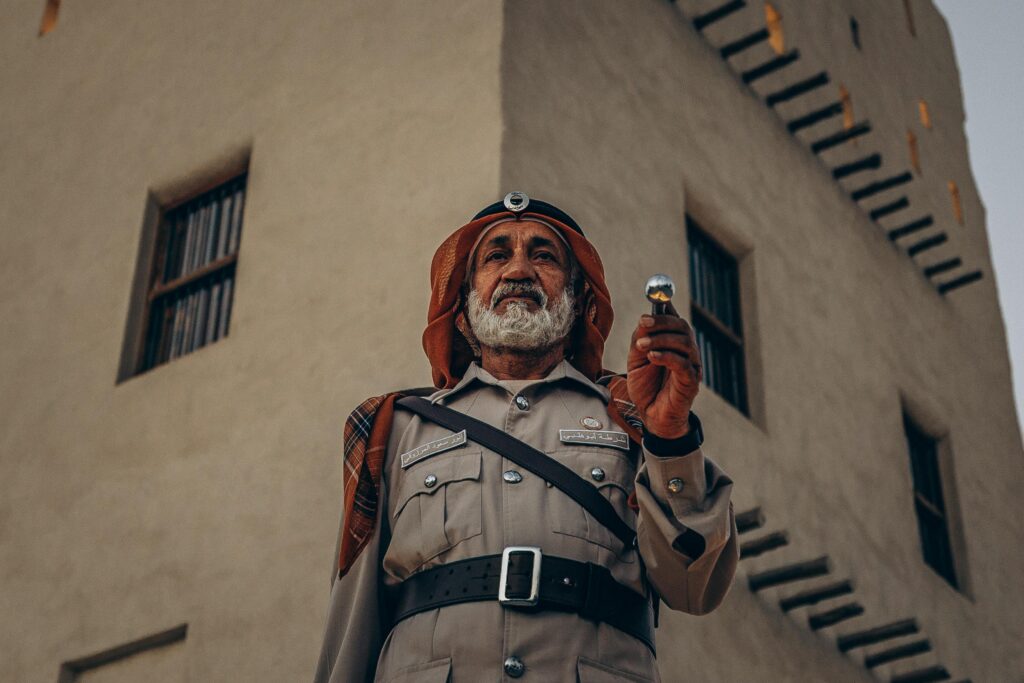
🇦🇪 1. Introduction: UAE Armed Forces Today
The United Arab Emirates Armed Forces are the national military forces responsible for defending the sovereignty and territorial integrity of the UAE. Over recent decades, they have modernized rapidly, becoming one of the most advanced militaries in the Middle East with diversified capabilities across land, air, and sea. (AARD)
🇦🇪 2. Structure and Major Branches
The UAE Armed Forces are organized into several main components:
- Army (land forces)
- Air Force
- Navy
- Missile Defense & Cyber Defense units
Each branch is equipped and trained to operate with high interoperability and support joint operations. (24)
🇦🇪 3. Modernization and Technology
The UAE invests heavily in advanced military technology. It has acquired modern aircraft, armored vehicles, naval vessels, and precision systems — often through partnerships with international defense companies. Domestic defense industries, such as EDGE Group, support the supply and development of local systems. (AARD)
🇦🇪 4. Human Resources and National Service
A key development has been the implementation of national service programs, which have expanded the pool of trained personnel and strengthened national identity. These initiatives reflect a long‑term strategy to build skilled human capital within the armed forces. (AARD)
🇦🇪 5. Strategic Doctrine
The UAE’s military doctrine emphasizes:
- Defense of the homeland
- Protecting critical infrastructure
- Regional stability and deterrence
- Participation in multinational peacekeeping and humanitarian missions
This doctrine combines advanced defense capabilities with deterrence and diplomacy. (24)
🇦🇪 6. Regional Security Role
The UAE has played active roles in regional security, particularly in the Middle East and Horn of Africa. It has deployed forces, supported partner nations, and worked in coalitions aimed at countering extremist threats. (24)
🇦🇪 7. Yemen: Withdrawal and Ongoing Dynamics
The UAE was a major partner in the Saudi‑led coalition in Yemen since 2015 but has withdrawn its regular forces and ended remaining counterterrorism units as of late 2025. This move reflects a reassessment of strategy amid evolving regional dynamics. (Reuters)
However, tensions have emerged due to a rift with Saudi Arabia over differing support for Yemeni factions, especially involving the Southern Transitional Council (STC). (The Times)
🇦🇪 8. Regional Diplomacy and Military Policy
The UAE balances military presence with diplomatic efforts. For instance, it has declined participation in an international stabilization force for Gaza, stressing legal frameworks and focusing on humanitarian roles instead. (The Guardian)
🇦🇪 9. International Training and Cooperation
The UAE conducts joint exercises and training programs with allied nations, enhancing interoperability. It also participates in security cooperation with countries in Africa, Asia, and beyond, supporting capacity building and stability. (24)
🇦🇪 10. Defense Industry Development
The UAE has focused on growing its defense industrial base, producing a range of military equipment from UAVs to armored vehicles and naval platforms. This supports both domestic needs and boosts economic diversification. (AARD)
🇦🇪 11. Challenges and Controversies
Like many regional militaries, the UAE’s security role has faced scrutiny:
- Allegations of involvement in foreign conflicts, such as reports linking support to certain armed groups in Sudan — which the UAE has denied. (الجزيرة نت)
- Regional geopolitical tensions, including a growing dispute with Saudi Arabia over Yemen’s future. (AP News)
These dynamics illustrate how military power intersects with foreign policy priorities.
🇦🇪 12. Humanitarian and Peace Operations
Beyond warfighting, the UAE military participates in humanitarian assistance and peacekeeping operations. It has contributed to de‑mining, disaster relief, and reconstruction missions in various countries. (24)
🇦🇪 13. Future Outlook
The UAE aims to continue modernizing its armed forces, enhancing cyber and missile defenses, expanding tech partnerships, and strengthening a strategic deterrent posture. Its focus on regional influence, security cooperation, and industrial growth will shape its military role throughout the coming decade. (AARD)
If you’d like, I can also add maps or visual infographics to accompany the article!