

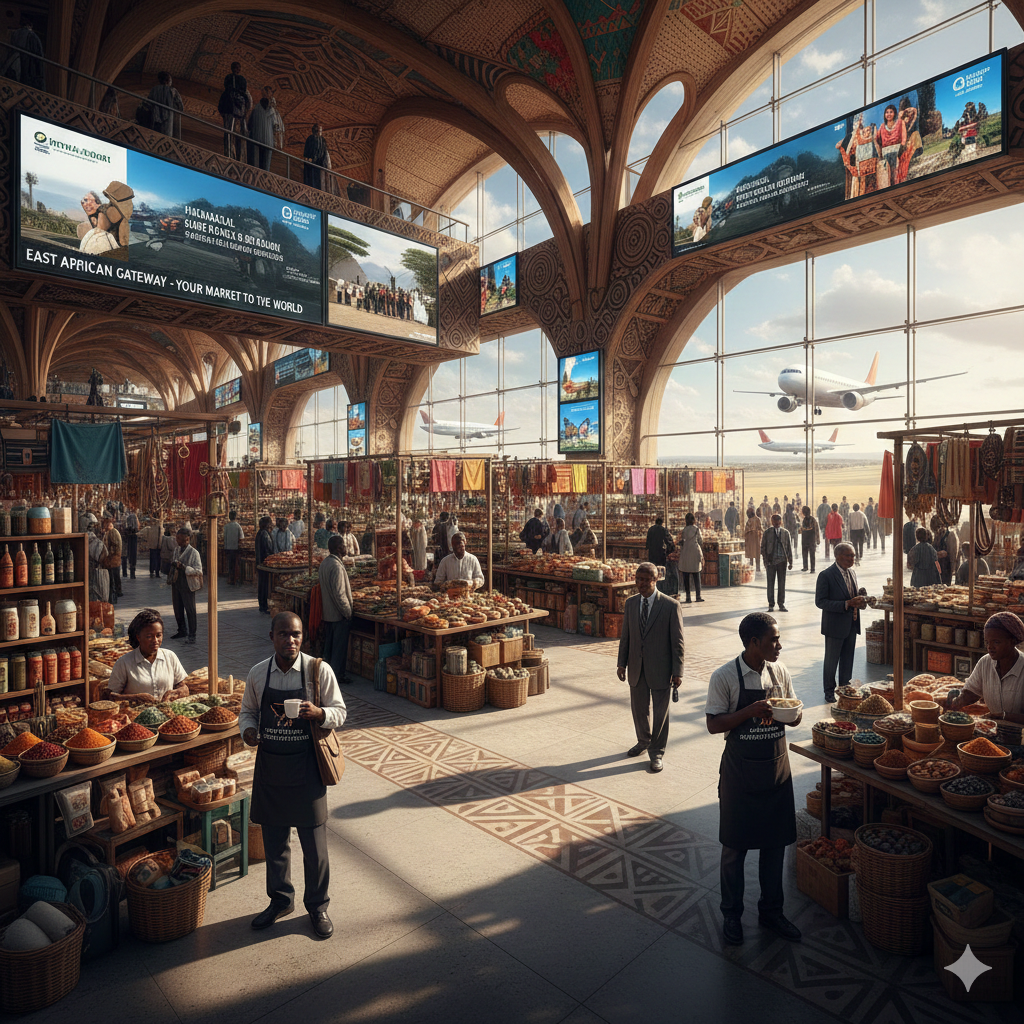
NAIROBI, KENYA – The modern airport terminal is no longer a passive conduit for travelers; it is a meticulously engineered commercial ecosystem, a high-stakes arena where brands compete for the attention, loyalty, and wallets of a captive, cosmopolitan audience. In East Africa, where aviation is a critical engine of economic growth and a symbol of national prestige, airport marketing has evolved into a sophisticated discipline. It blends global retail trends with hyper-local cultural intelligence, targeting everything from the time-pressed business traveler at Jomo Kenyatta International to the emotional diaspora family reuniting at Entebbe. Today, the journey through an East African airport is a carefully curated narrative of aspiration, identity, and commerce.
From Duty-Free to “Experience-Free”: The Reinvention of Retail
Gone are the days of sterile duty-free halls stocked solely with international liquor, tobacco, and perfume. East Africa’s flagship airports—Nairobi’s JKIA, Addis Ababa’s Bole, Kigali’s state-of-the-art terminal, and the revitalized hubs in Dar es Salaam and Entebbe—have embraced a “sense of place” retail philosophy.
Marketing here is about selling East Africa itself. This means:
- Curated Local Luxury: Premium boutiques showcase “Made in Africa” brands. In Nairobi, you’ll find exquisite leather goods from Kipato, high-end skincare from Nice & Lovely, and statement jewelry from local artisans. Addis Ababa promotes Ethiopian fine cotton (shemma) scarves and silver crosses. This isn’t just shopping; it’s a last-chance purchase of authentic heritage, marketed as a tangible memory.
- The Gourmet Safari: Food and beverage marketing has shifted from generic fast food to culinary branding. Travelers can taste premium Kenyan coffee at Java House before their flight, sample artisanal Ethiopian honey, or pick up boutique teas from the Rwandan highlands. The airport becomes a final tasting menu of the region’s flavors, encouraging travelers to take a piece of the terroir home.
- Diaspora-Driven Assortments: A significant portion of traffic is visiting friends and relatives (VFR). Marketing targets this segment with nostalgic consumables—large-format packets of spices, specific biscuit brands, and cultural staples that are expensive or unavailable abroad. The purchase is emotional, a cargo of comfort.
Digital Integration: From Check-In to Check-Out
The passenger’s digital footprint is now a primary marketing channel.
- Wi-Fi as a Gateway: The moment a traveler connects to the airport’s free Wi-Fi (often requiring an email or social login), they enter a marketing funnel. Brand-sponsored landing pages, targeted ads for lounge access or restaurant discounts, and push notifications for gate changes (paired with a cafe offer) are standard.
- App-Based Personalization: Airports and airlines are developing apps that do more than provide flight info. They offer personalized, location-based promotions: “You are near Simba Duty-Free. Show this offer for 10% off a bottle of Amarula.” Data on flight destination informs ads—a traveler to London might see ads for warm scarves, while one to Dubai sees sun care products.
- Social Media “Moments”: Airports are designing Instagrammable installations—a giant bronze gorilla at Kigali, a beautiful living green wall in Nairobi—encouraging user-generated content that markets the airport’s aesthetic and modernity for free. QR codes on physical ads link directly to shoppable social media pages.
The Premium Experience: Marketing Exclusivity and Escape
The most profitable marketing in airports is for time and tranquility. The battle for the high-margin business and first-class traveler is intense.
- Lounge Warfare: Lounges are no longer just rooms with slightly better chairs. They are branded experiences. The Simba Lounge at JKIA markets panoramic runway views and local cuisine. Aspire Lounges sell pay-as-you-go access, targeting the aspiring business class traveler with the promise of quiet, workspace, and showers. Marketing emphasizes an “oasis from the chaos,” a crucial selling point in bustling terminals.
- Services as Status: Concierge services, fast-track immigration marketing (“Clear security in 5 minutes”), and premium meet-and-greet services are sold not just as conveniences, but as symbols of status and savvy travel. They are marketed directly to corporate clients and through airline partners.
Hyper-Local Cultural Nuance: Knowing Your Passenger
Successful airport marketing in East Africa requires granular cultural intelligence.
- The “Coming Home” Narrative: In arrivals, marketing is warm and welcoming. Advertisements for local telecoms (Airtel, Safaricom) promoting immediate SIM cards and data bundles, or for bank kiosks offering quick currency exchange, solve the immediate problems of someone returning. The messaging is about reconnection and ease.
- The “Last Gift” Pressure: In departures, marketing taps into the cultural importance of gift-giving (souvenirs). Advertisements for fine coffee, chocolate, or crafts often feature visuals of happy family reunions abroad, implicitly promising the traveler the joy of giving a quality, authentic gift.
- Language and Imagery: In multilingual societies, smart brands use a mix of English, Swahili, and other local languages. Imagery reflects a blend of modern, sleek Africans and traditional motifs, portraying a region that is both proudly rooted and globally connected.
Sustainability as a Selling Point: The Conscious Traveler
A new and growing marketing axis is sustainability. This is particularly potent in East Africa, where nature and conservation are key national brands.
- Rwanda’s plastic-free Kigali Airport is itself a marketing statement, aligning the traveler with a national values of cleanliness and environmental stewardship.
- Brands highlight eco-friendly packaging, ethically sourced materials (like recycled glass beads or sustainable wood), and partnerships with conservation NGOs. For the growing segment of conscious global travelers, this adds a layer of ethical justification to a purchase.
Challenges and the Future Frontier
Airport marketers face unique hurdles:
- Space at a Premium: Physical retail space is extremely limited and costly, forcing brands to create impactful, high-turnover micro-experiences.
- The Security Mindset: Travelers are stressed and focused on making their flight. Marketing must be high-impact and low-friction, offering instant value rather than complex narratives.
- Regional Competition: Airports are in fierce competition. The retail and dining experience is a key differentiator in attracting lucrative transit passengers. Addis Ababa’s “Africa’s Washington Dulles” model relies on its retail and lounge offerings to keep passengers spending during layovers.
The future points toward even greater personalization, powered by biometrics and AI. Imagine walking past a digital screen that recognizes your frequent-flyer status and displays an ad for your favorite whisky brand, on special. Seamless, cashless payments integrated with boarding passes will further reduce friction.
Conclusion: More Than a Mall in the Sky
Marketing in East Africa’s airports today is a complex ballet of commerce, culture, and technology. It is about understanding the passenger’s emotional journey—the anticipation of departure, the anxiety of transit, the joy of return—and positioning products and services as enhancers of that journey.
The airport is a potent microcosm of East Africa’s aspirational story: global yet local, efficient yet warm, ambitious yet grounded. For brands, it is the ultimate high-stakes showcase. For the region, every transaction, from a cup of local coffee to a handcrafted souvenir, is a small export of its identity. In the gleaming terminals of Nairobi, Addis, and Kigali, marketing is doing more than selling goods; it is crafting the final, lasting impression of a dynamic continent on the move. The journey doesn’t end at the gate; for savvy marketers, that’s where the most important conversation begins.
