

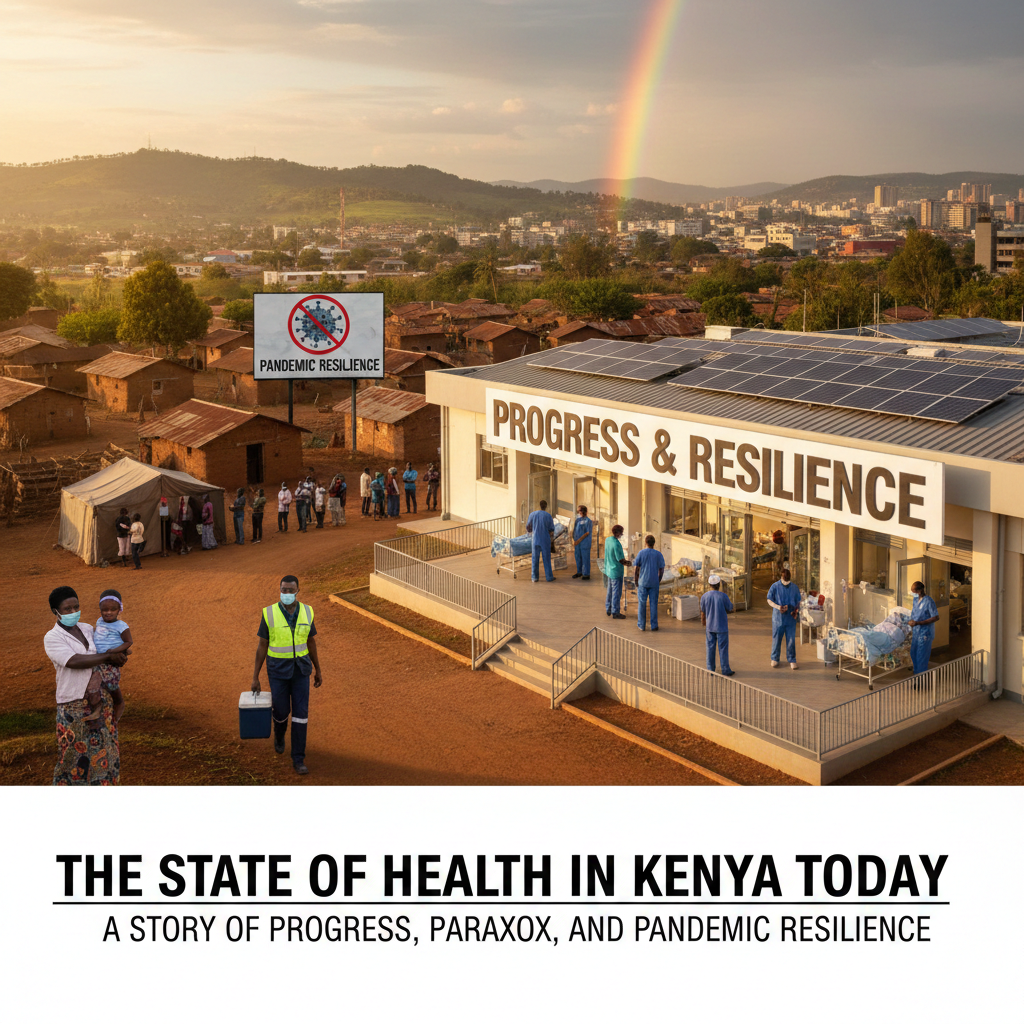
Kenya’s health landscape in 2024 is a study in dynamic contrasts. It is a narrative where cutting-edge medical technology exists alongside persistent access gaps, where robust policy frameworks grapple with systemic inefficiencies, and where the legacy of COVID-19 has simultaneously exposed vulnerabilities and accelerated innovation. Understanding health in Kenya today requires moving beyond simplistic metrics to appreciate a complex ecosystem in transition.
The Pillars of Progress: Building a Modern Health Infrastructure
Significant strides form the foundation of Kenya’s current health status. The cornerstone of these efforts is the Afya Care program, the government’s ambitious universal health coverage (UHC) initiative. Piloted in select counties and now in a phased national rollout, it aims to ensure every Kenyan can access essential healthcare without financial hardship. This builds upon the long-standing National Hospital Insurance Fund (NHIF), which has been reformed to expand its contributor base and cover a wider range of services, including costly oncology and dialysis treatments.
This policy drive is mirrored in physical infrastructure. The nation has moved beyond a focus solely on primary care to develop specialized tertiary centers. The Kenyatta University Teaching, Referral & Research Hospital (KUTRRH) and the expanded Moi Teaching and Referral Hospital represent a new era of high-capacity, specialized public care. Furthermore, a thriving private health sector—ranging from sophisticated hospital chains like Nairobi Hospital and Aga Khan University Hospital to a proliferation of private clinics—caters to a growing middle class and sets a benchmark for quality, albeit at a cost.
Perhaps the most revolutionary change has been digital. The integration of technology, or “e-Health,” is transforming service delivery. From telemedicine platforms connecting patients in remote Mandera with specialists in Nairobi, to mobile apps managing HIV treatment adherence, to centralised digital health records systems being rolled out, Kenya is leveraging its famous mobile money prowess to solve health logistics. M-Tiba, a mobile health wallet, allows users to save, send, and pay for healthcare securely, exemplifying this fusion of fintech and health.
The Persistent Paradox: Enduring Challenges in a Growing Economy
Despite this progress, Kenya faces a stubborn dual disease burden. It continues to manage enduring communicable diseases like HIV/AIDS, tuberculosis, and malaria. Thanks to concerted efforts, prevalence has dropped significantly, but these diseases remain major public health concerns requiring constant vigilance and funding.
Simultaneously, non-communicable diseases (NCDs) are skyrocketing, driving a silent epidemic. Cardiovascular diseases, diabetes, cancer, and chronic respiratory illnesses now account for over 50% of total hospital admissions. This shift, fueled by urbanization, dietary changes, sedentary lifestyles, and alcohol/tobacco use, is straining a system historically designed for acute, infectious care. The demand for oncologists, cardiologists, and dialysis machines now outpaces supply.
The core challenge underlying all others is inequity in access. Health outcomes still starkly reflect geography and socioeconomic status. While Nairobi or Mombasa residents may have choices between public and private world-class care, a mother in rural Turkana may be hours from a basic maternity unit. This disparity is compounded by:
- Human Resources for Health: A critical shortage and maldistribution of doctors, nurses, and clinical officers. Brain drain to foreign nations and internal migration to urban private sectors leaves many county facilities understaffed.
- The Cost Barrier: Despite UHC ambitions, out-of-pocket expenditures remain high. Many Kenyans, especially in the informal sector, are not consistently covered by insurance, and even NHIF copayments can be catastrophic for low-income families.
- Supply Chain Woes: Stock-outs of essential medicines and commodities in public facilities remain a frequent complaint, undermining trust and pushing patients to costly private pharmacies.
The Pandemic Legacy: A Stress Test and Catalyst
The COVID-19 pandemic acted as both a brutal stress test and an unexpected catalyst. It overwhelmed ICU capacity, exposed critical gaps in oxygen systems and PPE supply chains, and disrupted routine immunization and maternal care, with lasting effects.
Yet, Kenya’s response also showcased remarkable resilience and agility. The country rapidly scaled up testing capacity, implemented robust contact tracing via technology, and became a hub for pandemic research in Africa. The experience turbo-charged investments in local health manufacturing. The establishment of the Kenya Biovax Institute, aiming to produce vaccines domestically, symbolizes a strategic pivot towards health sovereignty. Pandemic-era innovations in teleconsultation and digital reporting have become embedded in the system.
The Road Ahead: Priorities for a Healthier Future
The trajectory of health in Kenya will be determined by how it addresses several key priorities:
- Strengthening Primary Healthcare: The true success of UHC hinges on “shifting left”—investing in robust, well-staffed, and equipped primary care networks at the community level to manage prevention, early diagnosis, and chronic NCD care, decongesting referral hospitals.
- Bridging the NCD Gap: A massive public education campaign on lifestyle diseases, combined with scalable screening programs and strengthened capacity for treatment at county levels, is urgently needed.
- Professional Retention and Motivation: Addressing the welfare, remuneration, and working conditions of healthcare workers is essential to stem brain drain and ensure a motivated workforce.
- Deepening Health Financing: Exploring sustainable and mandatory health financing mechanisms to broaden the risk pool and reduce reliance on out-of-pocket payments is critical for UHC’s longevity.
- Leveraging Data and Technology: Fully harnessing data analytics for disease surveillance, resource allocation, and personalized care, while ensuring digital tools reach the most marginalized, will be a game-changer.
Conclusion: A System in Transformation
Health in Kenya today cannot be summarized as simply good or bad. It is a system in active transformation. It is defined by a tension between impressive ambition and gritty reality, between Silicon Savannah’s innovations and a clinic in Kitui’s struggles. The Kenyan spirit of innovation—jua kali—applied to health, the vibrant engagement of the private sector, and a young, digitally-native population all provide immense assets.
The journey towards the highest attainable standard of health for all Kenyans is far from complete. The path is paved with both potholes of inequality and pillars of progress. Yet, the direction of travel is clear: towards greater inclusivity, technological integration, and a holistic focus on both infectious and lifestyle diseases. The story of health in Kenya is one of a nation diagnosing its ailments while actively, and creatively, writing its own prescription for a healthier future.