

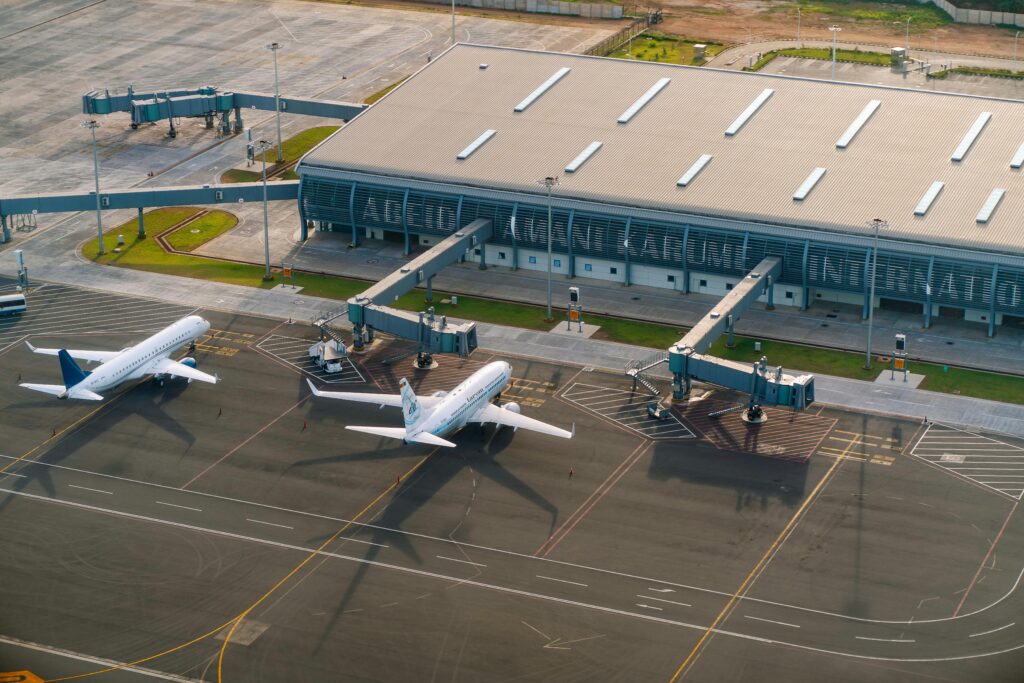
Airports in Africa Today: Gateways to Growth and Connectivity
Airports in Africa today play a crucial role in connecting the continent to the rest of the world and supporting economic development, tourism, and trade. Over the past few decades, Africa has made significant progress in expanding and modernizing its airport infrastructure. However, challenges related to funding, safety, and connectivity remain.
Current State of Airports in Africa
Africa is home to several modern and internationally recognized airports, including O.R. Tambo International Airport (South Africa), Addis Ababa Bole International Airport (Ethiopia), Jomo Kenyatta International Airport (Kenya), and Mohammed V International Airport (Morocco). These airports serve as major hubs for passengers and cargo and connect Africa to Europe, Asia, the Middle East, and the Americas.
Many African countries have invested in upgrading airport terminals, expanding runways, and improving navigation systems to accommodate growing passenger numbers. New terminals and airport projects are also being developed to support increased air traffic.
Role of Airports in Development
Airports are vital to Africa’s economic growth. They facilitate international trade, enable tourism, and support business travel. Efficient airports help attract foreign investment and enhance regional integration. Air cargo services are especially important for transporting high-value and time-sensitive goods such as agricultural products, medical supplies, and electronics.
The growth of African airlines and regional carriers has increased demand for better airport facilities and improved service quality.
Challenges Facing African Airports
Despite progress, many airports in Africa face significant challenges:
- Limited infrastructure and capacity, particularly in smaller or regional airports
- High operational costs and limited funding
- Safety and security concerns in some regions
- Poor connectivity between African countries, leading to reliance on non-African hubs
- Inconsistent technology and service standards
These challenges can limit efficiency and reduce the competitiveness of African airports on the global stage.
Innovation and Modernization
To address these challenges, African airports are adopting modern technologies such as automated check-in systems, biometric screening, digital air traffic control, and cargo handling automation. Public-private partnerships are also being used to finance infrastructure improvements and manage airport operations more efficiently.
Additionally, continental initiatives like the Single African Air Transport Market (SAATM) aim to improve air connectivity and reduce travel barriers between African nations.
Looking Ahead
The future of airports in Africa is promising. Continued investment in infrastructure, safety standards, and regional cooperation will support growing air travel demand. As tourism, trade, and mobility increase, African airports will remain key gateways driving economic integration and global connectivity.
Airports in Africa today reflect both progress and potential, serving as critical engines for the continent’s development and global engagement.
If you want, I can also provide: