

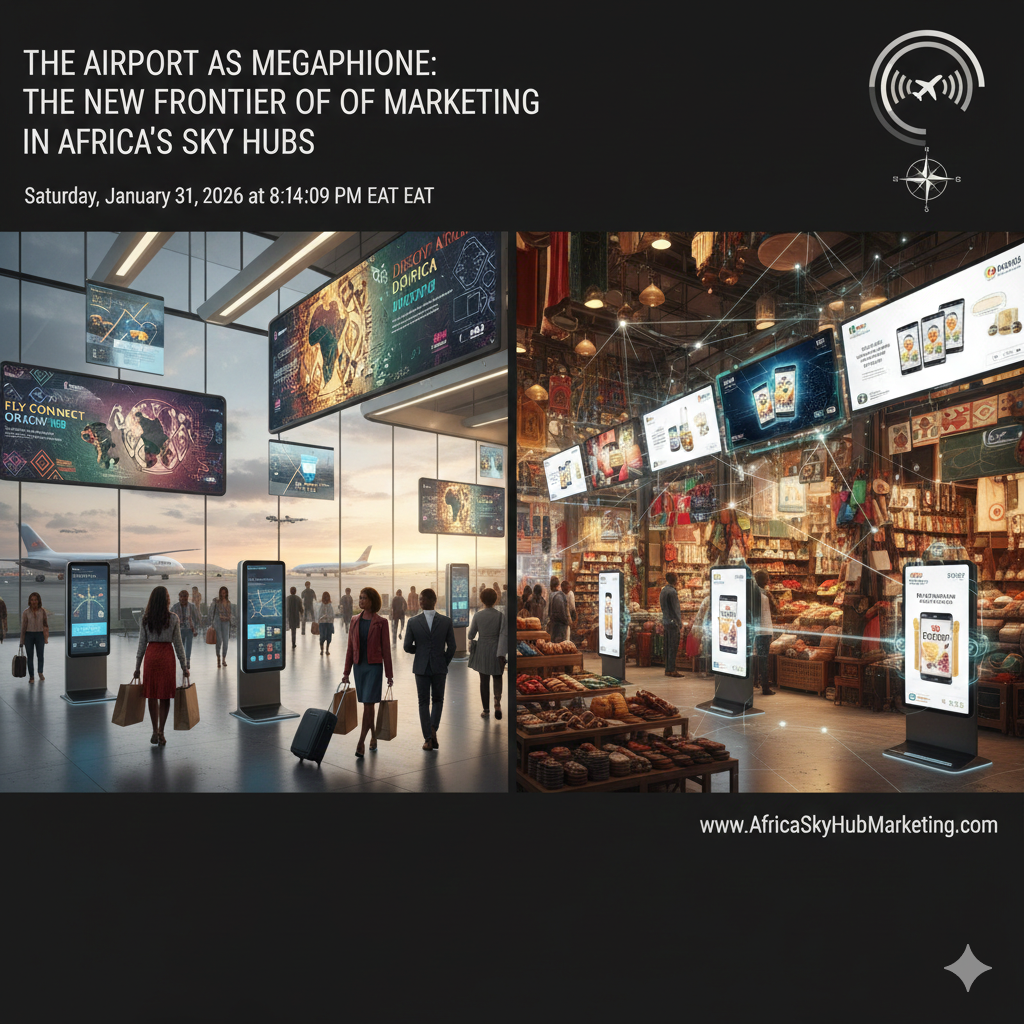
The airport is no longer just a place of transit in Africa; it has become a premier stage for brand storytelling, a hyper-localized gateway to the continent’s burgeoning economies, and a critical touchpoint for a new generation of global consumers. Marketing within and through Africa’s airports today is a sophisticated discipline, evolving far beyond static duty-free ads. It is a dynamic blend of national branding, digital integration, luxury aspiration, and data-driven passenger engagement, reflecting the continent’s rapid economic transformation and the fierce competition for the hearts, minds, and wallets of the soaring African traveler.
From Gateways to Brand Embassies: Airports as National Narratives
For nations, their flagship airport is the first and last chapter of a visitor’s story. Marketing here is a top-down exercise in nation branding. Countries are investing billions to ensure their airports are not just functional, but emblematic of their national vision.
- Rwanda’s Kigali International Airport (KGL): The marketing is the experience itself. KGL, renowned for its cleanliness, efficiency, and architectural elegance, is a physical manifestation of the “Rwanda Rising” narrative. It markets the country as a disciplined, tech-forward, and safe destination before a visitor even collects their luggage. The presence of the national carrier, RwandAir, with its modern fleet and “The Heart of Africa” slogan, reinforces this story at every gate.
- Ethiopia’s Addis Ababa Bole International (ADD): As the hub of Ethiopian Airlines, Africa’s largest and most awarded carrier, Bole markets “The New Spirit of Africa.” Its vast new terminal, with soaring ceilings and natural light, is designed to signal continental ambition and connectivity. The marketing message is clear: This is the efficient, modern, and central gateway to the entire continent.
- Senegal’s Blaise Diagne International (DSS): Replacing the chaotic Dakar-Yoff, DSS markets Senegal as a stable, emerging West African hub. Its modern design and operational efficiency are a direct rebranding tool, aiming to attract business travelers and transit passengers, positioning the country as a credible alternative to older regional hubs.
This architectural and experiential marketing is designed to build trust, attract investment, and elevate a country’s global standing. The airport itself is the most expensive and impactful advertisement a nation can buy.
The Passenger as Data Point: Hyper-Personalization in the Terminal
Inside the terminal, marketing is becoming intensely personalized. African airports and retailers are leveraging technology to move from mass broadcasting to one-to-one engagement.
- Wi-Fi as a Marketing Platform: The universal quest for free Wi-Fi is a goldmine. Airports like Jomo Kenyatta International (NBO) and Cape Town International (CPT) use mandatory registration portals to capture passenger data—flight details, destination, email—with consent. This allows for targeted, real-time marketing. A passenger flying to Dubai might receive a push notification with a discount at a luxury watch boutique or a lounge access offer.
- Beacon Technology and Proximity Marketing: Bluetooth beacons are being deployed in shopping areas. As a passenger with the relevant airline app walks past a café, they can receive a notification: “Welcome back, Mr. Smith. Your flight is on time. Enjoy 20% off your next coffee at Java House.” This transforms the retail concourse into a responsive, interactive marketplace.
- Duty-Free Reimagined: The classic duty-free model is being overhauled. It’s no longer just about liquor and perfume. Marketing now focuses on localization and exclusivity. Stores prominently feature “Made in Africa” sections—South African wines, Kenyan coffee, Ghanaian chocolate, Moroccan argan oil. This markets the continent’s quality to outbound travelers and provides inbound visitors with premium souvenir options. Limited-edition products and pop-up stores for local designers create a sense of exclusivity and discovery.
Luxury, Lifestyle, and the Aspirational African Consumer
Africa’s airports are increasingly catering to a growing affluent and middle-class demographic. Marketing targets the aspirational consumer.
- The Rise of the Branded Lounge: Beyond first-class lounges, we see the emergence of third-party branded lounges. Brands like Mastercard (with its Travel Pass lounges) or even premium banks market exclusivity and privilege as a core brand value, targeting their high-net-worth customers directly within the airport ecosystem.
- High-End Retail Arrives: The presence of globally recognized luxury boutiques—from Hugo Boss to Montblanc—in airports like Nairobi’s JKIA or Lagos’s new terminals is itself a marketing statement. It signals that the African market has arrived, that disposable income exists, and that the airport is a destination for luxury acquisition. Their marketing is subtle, relying on pristine window displays and the allure of tax-free pricing.
- Local Luxury Takes Off: Crucially, airports are also becoming launchpads for African luxury brands. Nigerian fashion labels, South African jewellers, and East African accessory designers are securing coveted retail space. This markets African creativity and craftsmanship on a global stage, telling a story of continental pride and sophistication to the international traveler.
The Digital Layer: Social Media and the “Instagrammable” Airport
Modern airport marketing extends far beyond the physical walls. Airports are curating experiences designed to be shared.
- Architecture as Instagram Bait: The stunning interiors of airports like Marrakech Menara (RAK) or the new Sir Seewoosagur Ramgoolam (MRU) in Mauritius are engineered for social media. Vast art installations, green walls, and dramatic lighting are marketing tools, encouraging passengers to become brand ambassadors by sharing photos with location tags, generating millions of dollars worth of organic exposure.
- Airline-Airport Social Synergy: Airlines and airports co-market on platforms like Instagram and YouTube. Ethiopian Airlines might run a campaign showcasing the culinary journey from Addis Ababa’s airport restaurants to its onboard menu. This creates a seamless, attractive narrative about the travel experience from curb to destination.
Challenges and The Runway Ahead
Despite the innovation, significant challenges remain:
- Infrastructure Inconsistency: The digital marketing revolution requires robust, free Wi-Fi and seamless cellular networks, which are still unreliable in many airports.
- Data Privacy Concerns: As personalization increases, so does the risk of alienating passengers who feel their privacy is invaded. Clear value exchange and transparent data policies are essential.
- The Non-Traveling Majority: This high-tech, high-gloss marketing primarily targets international and business travelers. The next frontier is creatively engaging the vast market of domestic and regional travelers, who represent the fastest-growing segment.
Conclusion: More Than a Layover, A Living Marketplace
Marketing in Africa’s airports today is a metaphor for the continent’s broader commercial awakening. It is sophisticated, digitally savvy, and increasingly confident. The airport has shed its purely utilitarian skin to become a multi-sensory brand ecosystem—a place where countries sell their futures, retailers connect with consumers in real-time, and Africa markets its potential, its luxury, and its culture to the world.
For marketers, the African airport is no longer a passive advertising space; it is a dynamic, data-rich, and brand-critical environment. The passenger journey from check-in to gate-side waiting is now a curated narrative, each touchpoint an opportunity to engage, inspire, and sell. In the race for Africa’s economic future, the battle for attention is increasingly being won and lost under the soaring roofs of its airports.