

1. Introduction
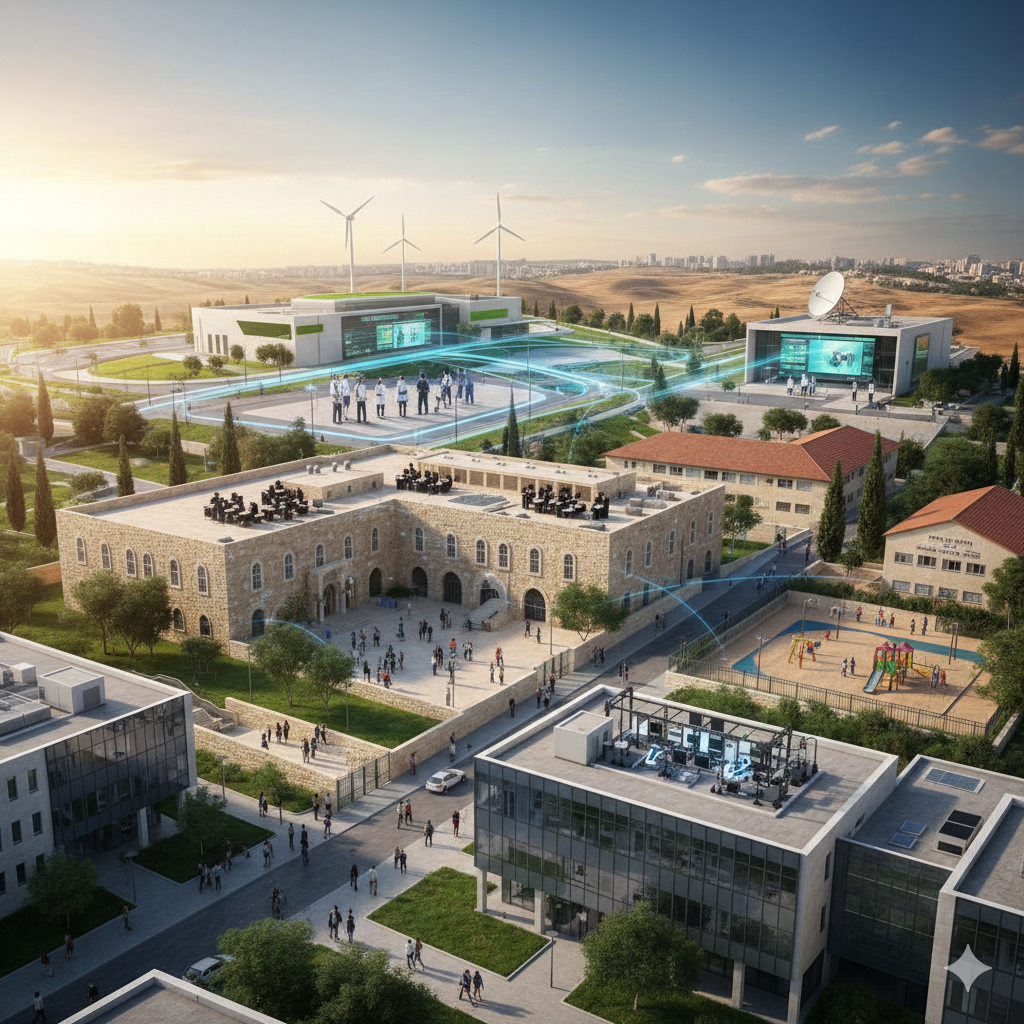
Education plays a central role in Israeli society and is considered a key factor in the country’s social, economic, and technological development. Israel places strong emphasis on learning, research, and innovation, making education a foundation of national growth.
2. Structure of the Education System
The education system in Israel is divided into early childhood education, primary education, secondary education, and higher education. Schooling is compulsory from the age of 3 to 18, ensuring access to basic education for all children.
3. Early Childhood Education
Early childhood education focuses on cognitive, social, and emotional development. Kindergartens and preschools are widely available and supported by the government to prepare children for formal schooling.
4. Primary Education
Primary education usually begins at age six and lasts six years. The curriculum includes Hebrew, mathematics, science, social studies, and foreign languages. The goal is to build foundational knowledge and essential learning skills.
5. Secondary Education
Secondary education is divided into lower and upper secondary levels. Students can follow academic or vocational tracks depending on their interests and abilities. At the end of secondary education, students take matriculation examinations that are important for higher education admission.
6. Role of Technology in Education
Technology is widely integrated into Israeli education. Digital classrooms, online learning platforms, and advanced research tools are commonly used. This supports innovation, critical thinking, and problem-solving skills among students.
7. Higher Education and Universities
Israel has a strong higher education sector with internationally recognized universities and colleges. Institutions focus on research, science, engineering, medicine, and humanities. Many universities collaborate closely with global academic and research institutions.
8. Vocational and Technical Education
Vocational education provides students with practical skills for specific careers. Technical schools and training programs help address labor market needs and offer alternative pathways to academic study.
9. Teacher Training and Quality
Teacher training is a priority in Israel. Educators receive professional training and ongoing development to improve teaching quality. Effective teachers play a vital role in maintaining high educational standards.
10. Cultural and Social Diversity in Education
Israel’s education system reflects its cultural and social diversity. Different streams of education cater to Jewish, Arab, religious, and secular communities while promoting coexistence and mutual understanding.
11. Challenges in the Education System
Despite its strengths, Israel’s education system faces challenges such as educational inequality, resource gaps, and varying academic outcomes among different communities. Addressing these issues is a key focus of ongoing reforms.
12. Conclusion
Education in Israel is a powerful driver of innovation, social development, and economic success. With continued investment, reform, and inclusion, the education system aims to prepare future generations for global challenges and opportunities.
