

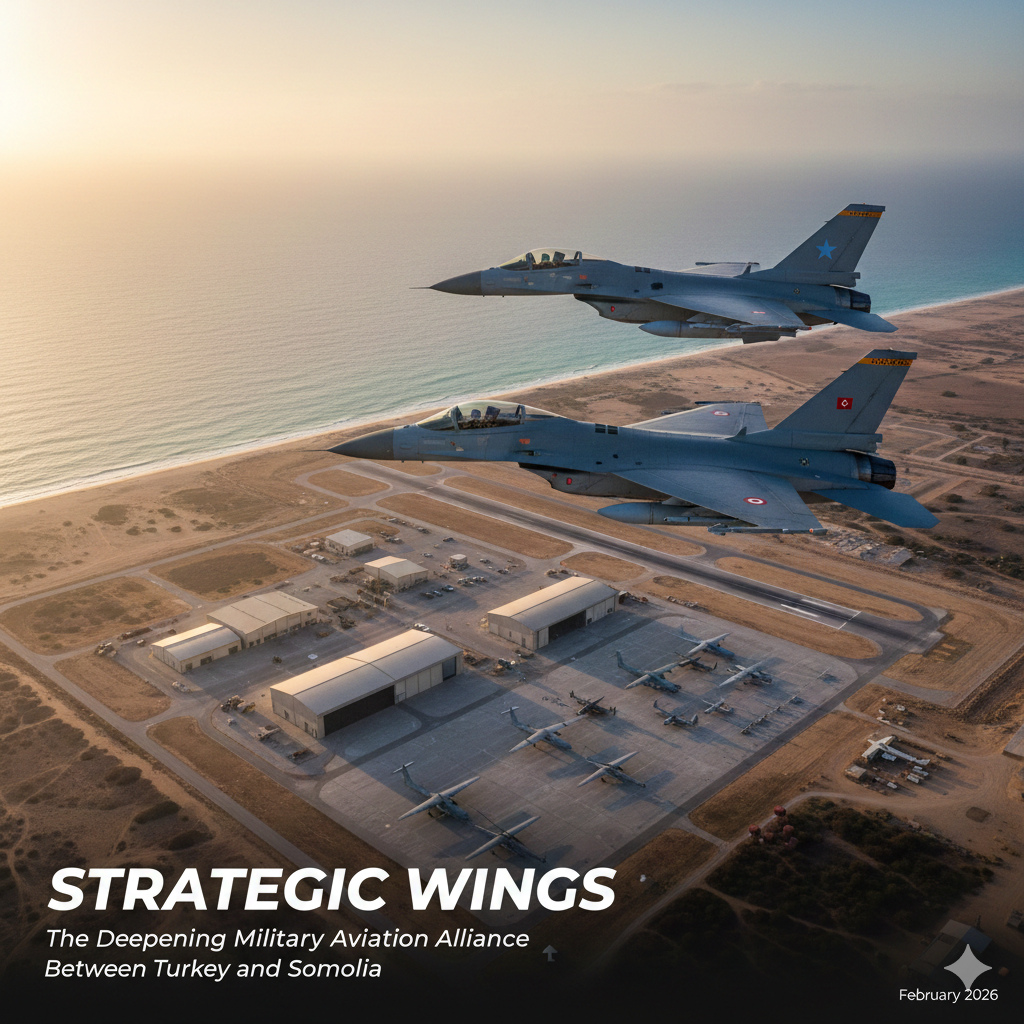
MOGADISHU, Somalia & ANKARA, Turkey – In the skies above Somalia, a profound shift is taking place. The distant hum of aging Soviet-era Antonovs is increasingly replaced by the distinct silhouettes of modern Turkish-built aircraft. This transformation is not merely a logistical upgrade; it is the most visible symbol of a deep, strategic, and multi-layered military and political partnership reshaping the Horn of Africa. The burgeoning alliance between Turkey and Somalia, centered on the ambitious modernization of Somalia’s military aviation capabilities, represents a bold geopolitical gambit for Ankara and a potential lifeline for Mogadishu, with implications that extend far beyond the tarmac.
The Foundation: A Relationship Built on Comprehensive Engagement
To understand the aviation alliance, one must first appreciate the breadth of Turkish involvement in Somalia. Since a landmark visit by then-Prime Minister Recep Tayyip Erdoğan in 2011—at the height of famine and conflict—Turkey has pursued a uniquely hands-on strategy. It has built hospitals, schools, and infrastructure, trained thousands of Somali civil servants and soldiers, operates its largest overseas military base in Mogadishu, and is a critical humanitarian and development partner.
This comprehensive approach has fostered significant political goodwill in Somalia, differentiating Turkey from traditional Western donors or Gulf states often viewed with more transactional skepticism. It is from this foundation of entrenched soft and hard power that the military aviation partnership has taken flight, serving Ankara’s ambitions as a global defense exporter and Mogadishu’s desperate need for security sovereignty.
Somalia’s Air Wing: From Ashes to Modernization
For decades, Somalia’s air capabilities were virtually non-existent—a casualty of the state’s collapse. What remained of the Somali Air Force after 1991 was a handful of derelict MiGs and transport planes, either destroyed, cannibalized, or abandoned. The Federal Government of Somalia’s (FGS) security apparatus has been utterly dependent on the air assets of the African Union Transition Mission in Somalia (ATMIS) and, at times, U.S. drones for reconnaissance, medical evacuation (medevac), and close air support against Al-Shabaab.
This dependency created critical vulnerabilities: timing dictated by international partners, political caveats on missions, and a glaring gap in national prestige and tactical autonomy. The rebuilding of a national air wing, therefore, became a top priority for Mogadishu, symbolizing the state’s tangible return and its ability to project power over its own territory.
Enter Turkey: The Architect of the Somali Air Force 2.0
Turkey has positioned itself as the chief architect of this rebirth. The partnership, solidified through high-level defense agreements, focuses on three key pillars:
1. Training and Doctrine: Since 2020, hundreds of Somali military personnel, including pilots, technicians, and special forces, have undergone intensive training in Turkey. This is not merely technical instruction; it is the transplantation of Turkish military doctrine, culture, and language into the nascent Somali officer corps, creating long-term institutional bonds. In Mogadishu, Turkish advisors are embedded within the security infrastructure.
2. Infrastructure and the Mogadishu Air Base: Turkey’s largest overseas military base, a $50 million facility opened in 2017, is the epicenter of this effort. It serves as a training academy, logistics hub, and operational center. The modernization of Mogadishu’s international airport, also managed by a Turkish company, provides the dual-use civilian-military infrastructure essential for sustaining advanced air operations.
3. Aircraft Supply and Modernization: This is the most visible element. The Somali National Army’s (SNA) nascent air wing now includes:
- Bayraktar TB2 Unmanned Aerial Vehicles (UAVs): The flagship of the partnership. These medium-altitude, long-endurance (MALE) armed drones have become iconic in modern warfare from Libya to Ukraine. For Somalia, they offer a game-changing, cost-effective capability for persistent intelligence, surveillance, and reconnaissance (ISR) and precision strikes against Al-Shabaab encampments and vehicle convoys. Their use allows Somali forces to “see” and strike deep into territory without risking pilots.
- Transport and Utility Aircraft: Reports indicate deliveries of Turkish-made utility aircraft and helicopters. These are vital for troop transport, rapid reinforcement of besieged outposts, medevac, and logistical support to SNA ground forces, enhancing mobility in a country with some of the world’s worst road networks.
Strategic Calculus: Why Turkey? Why Now?
For Somalia: The choice of Turkey is strategic. Unlike Western partners, Turkey imposes fewer political conditions, offers a “one-stop-shop” for training, infrastructure, and equipment, and is seen as a reliable Muslim ally without a colonial past in Africa. The drones, in particular, provide an asymmetric advantage against Al-Shabaab, boosting troop morale and offering a symbol of technological parity with neighboring states. It is a cornerstone of President Hassan Sheikh Mohamud’s “total war” doctrine against the insurgency.
For Turkey: The Somalia venture is a textbook case of Ankara’s post-2016 foreign policy: assertive, independent, and leveraging military diplomacy. It serves multiple objectives:
- Defense Industry Showcase: Somalia is a live proving ground and advertisement for the globally marketed Turkish defense industry, particularly Baykar’s Bayraktar. Success against a persistent insurgency is a powerful sales pitch across the Global South.
- Geopolitical Foothold: Somalia’s strategic location overlooking vital Red Sea and Indian Ocean shipping lanes is invaluable. A permanent military and aviation presence solidifies Turkey’s status as an Indian Ocean power, counterbalancing rivals like the UAE, Saudi Arabia, and Egypt.
- Soft Power and Leadership: The alliance bolsters Turkey’s image as a benevolent patron and a leader of the Muslim world, willing to invest where others fear to tread, enhancing its diplomatic capital in Africa and international bodies.
Challenges and Regional Repercussions
The partnership is not without significant risks and complications.
- Sustainability: Can Somalia, one of the world’s poorest nations, maintain and fund a fleet of sophisticated drones and aircraft in the long term? The current model is heavily subsidized by Turkey, creating dependency. Training and maintenance require continuous Turkish support.
- Ethical and Strategic Blowback: The use of armed drones, while effective, carries risks of civilian casualties if intelligence is flawed. Such incidents could erode local support and hand Al-Shabaab a propaganda victory. Furthermore, over-reliance on drone strikes can undermine the harder, slower work of building effective infantry and holding liberated territory.
- Regional Arms Race and Tensions: The introduction of advanced Turkish drones into the Horn of Africa upsets the regional balance. Neighbors Ethiopia and Kenya, themselves engaged in counter-terrorism and with tense relations with Mogadishu over maritime and territorial issues, will feel pressured to acquire or develop counter-UAV capabilities, potentially sparking a localized arms race.
- Great Power Rivalry: The partnership inserts Turkey firmly into the Horn of Africa’s complex web of international competition, where the US, China, UAE, and Qatar all have significant interests. It creates a new, unpredictable variable that other powers must now account for.
Conclusion: A New Axis in the Horn
The Turkey-Somalia military aviation axis is more than an arms deal. It is a fusion of hard security needs and grand strategic vision. For Somalia, it is a path toward reclaiming a monopoly on the use of force within its borders. For Turkey, it is a runway to greater global influence.
The ultimate success of this venture will not be measured in destroyed Al-Shabaab vehicles alone, but in whether it translates into lasting security and stability that allows Somalia’s state institutions to finally take root. As Turkish drones patrol Somali skies and Somali pilots train in Anatolia, this alliance is crafting a new template for South-North security cooperation—one built on shared identity, assertive ambition, and a calculated bet on the future of a troubled yet strategically vital region. The wings of the Somali Air Force, reborn with Turkish aid, now carry the weight of two nations’ intertwined destinies.