

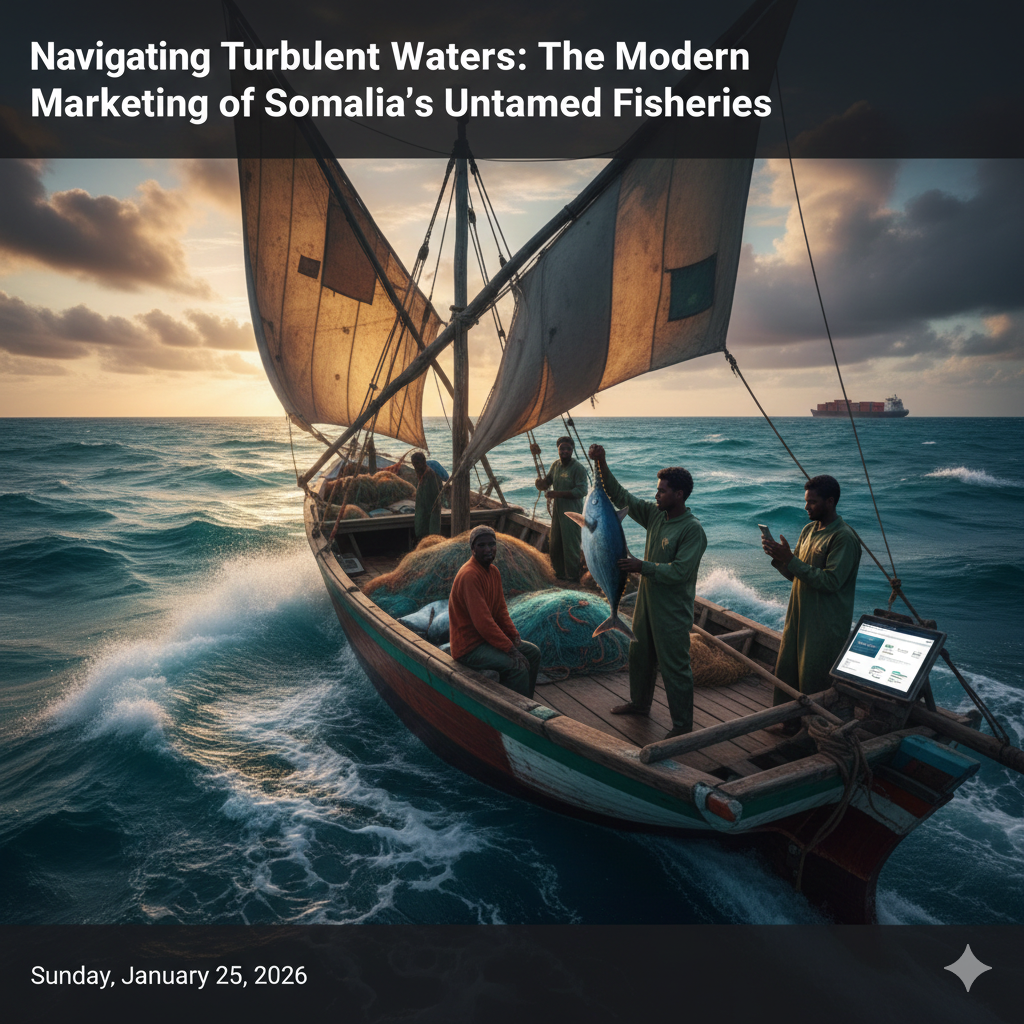
Somalia’s coastline is its greatest untapped asset. Stretching over 3,300 kilometers along the Indian Ocean, the longest in continental Africa, these waters host one of the richest remaining marine ecosystems on the planet. Yet, the story of Somali fishing is a paradox of immense potential drowned by decades of conflict, piracy, and chaos. Today, a new narrative is being written—not with nets and boats alone, but through smartphones, branding, and a globalized market. The marketing of Somali fish in 2024 is a complex, high-stakes endeavor that bridges grassroots resilience, diaspora-driven innovation, and a desperate bid to transform a symbol of lawlessness into one of lawful, sustainable prosperity.
From Pirates to Protein: Rebranding a Maritime Nation
For over a decade, the phrase “Somali waters” was globally synonymous with piracy. That era has largely subsided, but the brand damage remains. The primary marketing challenge for Somalia’s fisheries sector is executing a complete strategic rebranding. This means shifting the international perception from a zone of criminal risk to one of ethical, high-quality seafood sourcing. Emerging cooperatives and businesses are leaning into new narratives: “Wild-Caught Somali Lobster,” “Sustainable Tuna from the Puntland Coast,” or “Diaspora-Trusted Kingfish.” The marketing message emphasizes purity—fish from waters less polluted by industrial overfishing—and resilience, connecting consumers to the story of coastal communities rebuilding their lives. This rebranding is not just for export; it’s also for domestic morale, fostering pride in a legitimate, homegrown industry.
The Digital Lifeline: WhatsApp, Wire Transfers, and Virtual Marketplaces
In the absence of formal banking and cold-chain infrastructure, Somali fish marketing operates on a digital razor’s edge. The entire supply chain, from the beach in Eyl to a restaurant in Dubai or a Somali grocery in London, is coordinated through WhatsApp and hawala (money transfer) networks. Fishermen or local buyers send photos and videos of the day’s catch directly to bulk buyers in Mogadishu, Bosaso, or the diaspora. Deals are struck via voice note, quality is verified over video call, and payments are confirmed with a screenshot of a hawala receipt.
This system is agile and trust-based but perilously informal. It lacks quality standardization, formal contracts, and traceability. However, it represents a remarkable, bottom-up digital marketplace that has kept the sector alive. Emerging tech initiatives are now trying to formalize this by developing simple SMS or app-based platforms for catch logging, pricing transparency, and connecting fishermen directly to larger markets, aiming to cut out exploitative middlemen.
The Target Markets: From Neighbors to the Nostalgic Diaspora
Marketing efforts are sharply segmented across three distinct channels:
- The Regional Neighbors (Kenya, UAE, Oman, Yemen): This is the volume trade. Marketing is purely transactional, focused on price, volume, and reliable delivery. Fish is often shipped fresh or frozen in dhow boats across the Gulf of Aden. The value proposition is straightforward: abundant supply of affordable, high-demand species like tuna, kingfish, and snapper.
- The Global Somali Diaspora (Europe, North America, the Gulf): This is the premium nostalgia market. For the global Somali community, certain fish—like the Mullah (Somali lobster) or Geel Gabe (a specific local kingfish)—are powerful cultural touchstones. Marketing here is emotional, leveraging nostalgia and national pride. Facebook pages and Instagram accounts with names like “Taste of Home” and “Somali Coast Seafood” advertise directly to diaspora communities, offering vacuum-packed, frozen shipments. The promise is not just seafood, but a tangible connection to the homeland, sold at a significant premium.
- The High-End Niche (Lobster & Tuna for International Export): This is the aspirational frontier. A small but growing trade aims to place premium products like lobster and yellowfin tuna into international restaurant supply chains. The marketing here is about provenance and story. It borrows from the “single-origin” playbook of coffee or chocolate: emphasizing the specific coastal village, the artisanal fishing methods (often using handlines or small traps), and the sustainable catch. Certifications like MSC (Marine Stewardship Council) remain a distant dream due to cost and state capacity, so trust and direct relationships are the currency.
The Sustainability Pitch: A Necessity and a Selling Point
Somali waters have long been a free-for-all, plundered by unlicensed foreign trawlers and local fishermen alike. Today, marketing is beginning to intersect with conservation out of sheer necessity. Depleted stocks mean no future business. Forward-thinking cooperatives, often supported by NGOs, are beginning to market their catch as “locally managed” or “community-monitored.” They tell a story of coastal villages protecting their own marine territories from illegal fishing, appealing to ethically-minded buyers. While formal eco-labeling is absent, an informal “sustainability story” is becoming a unique selling proposition, especially for the diaspora and niche international markets.
The Formidable Obstacles: Marketing in a Stateless Sea
The barriers to effective marketing are monumental:
- The Infrastructure Chasm: There is a catastrophic lack of cold-chain infrastructure. Icing facilities at major ports like Kismayo and Hobyo are rudimentary. This limits the shelf life of products and makes consistent quality—the cornerstone of any brand—extremely difficult to guarantee.
- The Illicit Shadow: The marketing of fish is often entangled with the smuggling of other goods. Furthermore, the persistent threat of illegal, Unreported, and Unregulated (IUU) fishing by foreign fleets undercuts legitimate local marketers on price and volume, flooding the market and destroying any chance of building a premium, regulated brand.
- The Brand Association with Instability: News of clan conflicts in coastal areas or attacks by extremist group al-Shabaab immediately shuts down buyer interest. Perceived risk remains the sector’s biggest brand liability.
The Future: Anchoring a New Industry
The future of marketing Somali fish hinges on moving from informal hustle to formalized industry. This requires:
- Building the Physical Brand: Investing in packaging plants, branding, and cold storage in key ports like Bosaso and Mogadishu. A uniform, hygienic, branded package is the first step toward commanding a premium.
- Telling a Unified National Story: Developing a cohesive “Somali Wild Catch” narrative that regional states and the federal government can collectively promote, focusing on quality, sustainability, and cultural heritage.
- Leveraging Technology for Trust: Implementing simple blockchain or QR-code-based traceability pilots. A buyer in London scanning a code to see the boat, fisherman, and catch date for their lobster would be a revolutionary marketing tool.
- Partnering for Legitimacy: Formal partnerships with established seafood importers in the Middle East and Europe, who can provide the market access, certification, and logistical expertise that local marketers lack.
Conclusion: More Than a Commodity
Marketing fish in Somalia today is about more than selling a commodity; it is about selling a future. It is an attempt to monetize peace and normalcy. Every branded package of Somali lobster that reaches a foreign shelf is a small victory against the narrative of a failed state. It represents jobs for youth who might otherwise turn to crime or extremism, revenue for battered coastal towns, and a point of national pride. The path is fraught with danger and difficulty, but the fishermen—and now the marketers—of Somalia are casting their nets into a new sea of possibility, hoping the world is finally ready to buy what they have to offer. The success of this venture will determine whether Somalia’s legendary blue economy remains a story of plunder, or becomes one of its greatest redemptions.