

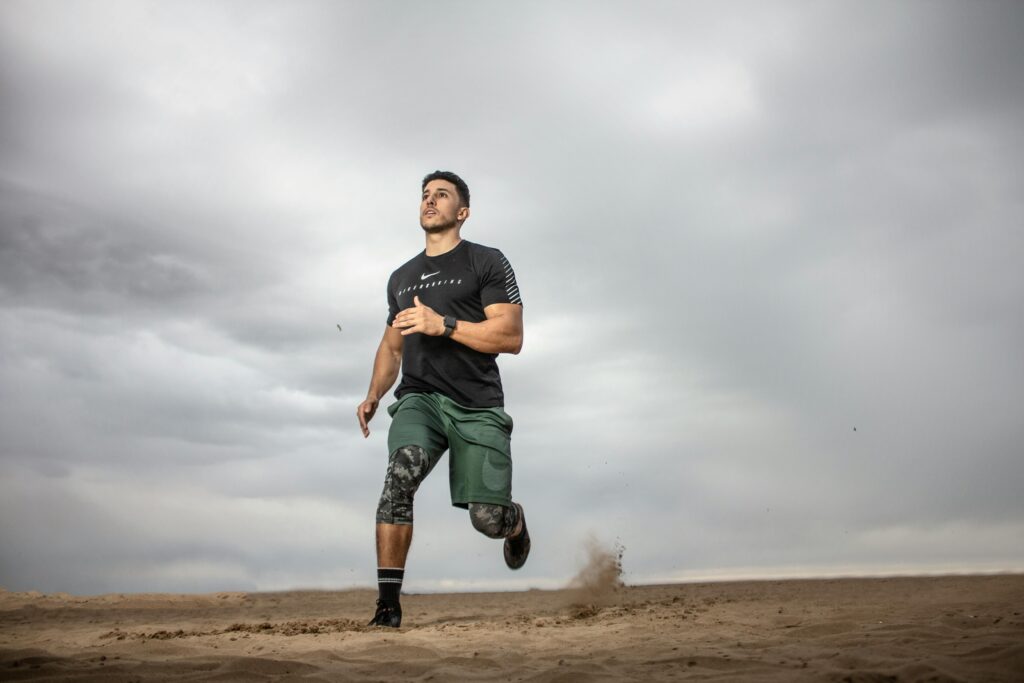
Exercise Today: A Path to Health, Happiness, and Longevity
In today’s fast-paced world, maintaining physical activity has become more crucial than ever. Between long work hours, digital distractions, and urban lifestyles, many people find themselves sedentary for most of the day. Yet, exercise is not merely a hobby or an optional lifestyle choice—it is an essential component of physical health, mental well-being, and overall longevity. Engaging in regular physical activity can transform lives in profound ways, providing benefits that extend far beyond appearance or fitness alone.
The Modern Exercise Challenge
The rise of technology and modern conveniences has created a paradox. While life has become more comfortable, it has also become increasingly sedentary. Offices, computers, smartphones, and streaming services mean that individuals spend a large portion of their day sitting. According to health studies, prolonged sitting can increase the risk of heart disease, diabetes, obesity, and even certain types of cancer. These risks are compounded by poor dietary habits and stress, which are also prevalent in contemporary society.
Despite these challenges, the solution is simple in concept: exercise. However, the challenge lies in motivation and time management. Many people feel they do not have the time or energy to exercise after fulfilling their work, family, and social obligations. Yet, even small amounts of activity can produce measurable health benefits, making it possible to integrate exercise into even the busiest of schedules.
The Benefits of Daily Exercise
Exercise offers a multitude of benefits, ranging from physical improvements to mental and emotional gains. Physically, regular exercise strengthens the cardiovascular system, improves flexibility, and builds muscular strength. Activities such as walking, jogging, swimming, or cycling increase heart rate and blood circulation, reducing the risk of heart disease. Strength training, on the other hand, enhances bone density, reduces the risk of osteoporosis, and increases metabolism, which helps maintain a healthy weight.
Flexibility exercises like yoga or pilates improve balance and reduce the risk of injury. For older adults, maintaining flexibility and strength is essential for preserving mobility and independence. Additionally, exercise enhances immune function, which becomes particularly vital during flu seasons or times of increased health vulnerability.
The mental health benefits of exercise are equally compelling. Physical activity stimulates the release of endorphins, neurotransmitters that promote feelings of happiness and reduce stress. This natural mood boost can help combat anxiety and depression. Research has shown that regular exercise improves sleep quality, sharpens focus, and increases overall energy levels. Even a short 20-minute walk can lead to a noticeable improvement in mood and cognitive function.
Moreover, exercise can serve as a social outlet. Group activities like fitness classes, sports teams, or running clubs foster connections, camaraderie, and accountability. Social support is a key factor in sustaining long-term exercise routines, as the shared experience motivates individuals to stay consistent.
Types of Exercise to Consider
Not all exercises are created equal, and incorporating variety is crucial to achieving comprehensive health benefits. Cardiovascular exercise, or “cardio,” is essential for heart health. Activities like running, cycling, swimming, or brisk walking increase the heart rate, strengthen the lungs, and improve overall endurance. Cardio is also effective for burning calories and managing weight.
Strength training, including weightlifting or resistance exercises, is vital for muscle development and bone health. Strong muscles support joints, enhance posture, and prevent age-related muscle loss. Resistance exercises can be performed using weights, resistance bands, or even bodyweight exercises like push-ups, squats, and lunges.
Flexibility and balance exercises, such as yoga, tai chi, or stretching routines, enhance joint mobility, reduce stiffness, and prevent injuries. Core strengthening exercises, including planks and pilates movements, also improve posture and stability. Incorporating a combination of cardio, strength, and flexibility exercises ensures a well-rounded fitness routine that addresses all aspects of health.
Creating a Sustainable Exercise Routine
The key to long-term success is consistency. Experts recommend at least 150 minutes of moderate-intensity aerobic activity or 75 minutes of vigorous-intensity activity per week, combined with two or more days of strength training. However, even smaller amounts of activity are better than none.
Finding a routine that fits individual preferences is essential. Enjoyment increases adherence, so choosing activities that are fun rather than obligatory can make exercise feel less like a chore. For example, someone who enjoys nature might prefer hiking or cycling outdoors, while another might enjoy dancing or group fitness classes.
Setting realistic goals is also crucial. Goals should be specific, measurable, and attainable. For instance, instead of saying, “I want to exercise more,” a better goal would be, “I will walk for 30 minutes every morning.” Gradually increasing intensity or duration helps prevent burnout and reduces the risk of injury.
Overcoming Common Barriers
Time constraints, lack of motivation, and physical limitations are common barriers to exercise. However, solutions exist for each challenge. Short, high-intensity interval training (HIIT) sessions can provide a full workout in just 20 minutes, making them ideal for busy schedules. Accountability partners or fitness apps can keep motivation high, while adaptive exercises ensure that even individuals with physical limitations can participate safely.
Mental barriers can be overcome by focusing on progress rather than perfection. Celebrating small milestones, tracking achievements, and maintaining a positive mindset can help transform exercise from an obligation into a rewarding lifestyle habit.
The Broader Impact of Exercise
Regular exercise does not just benefit the individual—it positively impacts society. Healthy individuals reduce the burden on healthcare systems, lower healthcare costs, and inspire others to adopt active lifestyles. Communities that promote fitness through accessible parks, walking paths, and recreational programs contribute to a healthier, more vibrant population.
In addition, the long-term benefits of exercise extend into old age. Maintaining an active lifestyle reduces the risk of chronic diseases, improves cognitive function, and enhances quality of life. Exercise is, in many ways, an investment in the future, ensuring that people remain strong, independent, and engaged as they age.
Conclusion
Exercise today is more than a fitness trend; it is a vital component of a healthy, fulfilling life. From physical health and mental well-being to social connections and long-term resilience, the benefits of regular physical activity are undeniable. Despite the challenges of modern life, incorporating exercise into daily routines is achievable and immensely rewarding.
By choosing activities that are enjoyable, setting realistic goals, and prioritizing consistency, anyone can transform their lifestyle. Whether it’s a brisk morning walk, an evening yoga session, or a weekend hike, every movement counts. In a world that often encourages passivity, exercise empowers individuals to take control of their health, elevate their mood, and extend their longevity.
In the end, the best time to exercise is today. Not tomorrow, not next week—today. Small steps taken consistently will lead to profound changes over time, and the path to a healthier, happier life starts with one intentional move.