

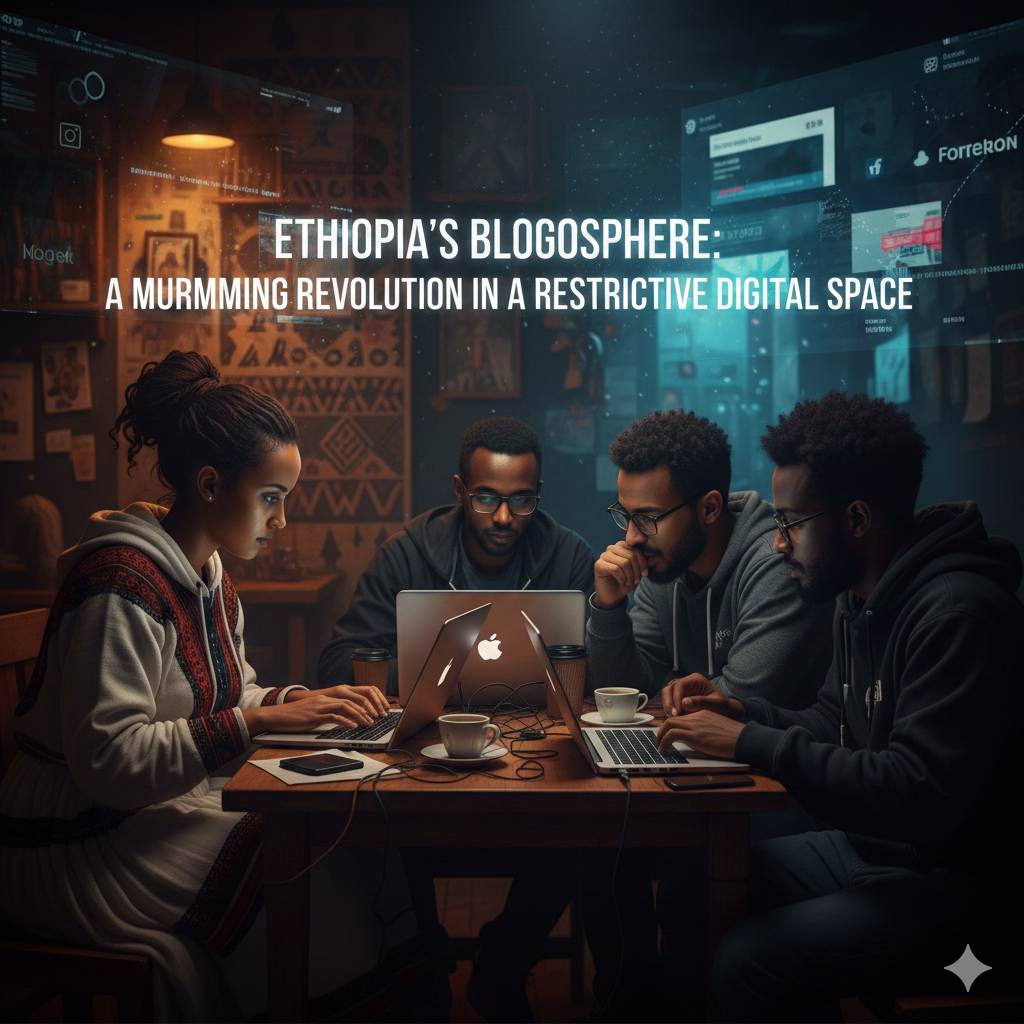
ADDIS ABABA, Ethiopia – In a nation where the legacy of a tightly controlled media landscape casts a long shadow, the keyboard has become a quiet instrument of revolution. Ethiopia’s blogging scene today exists in a precarious, yet potent, space—a digital public square where hope, dissent, enterprise, and art coalesce, pushing against the boundaries of tradition, politics, and infrastructure. This is not the slick, monetized blogosphere of the West, but a raw, authentic, and deeply consequential ecosystem of digital storytellers navigating a path between profound social change and persistent state scrutiny.
The Landscape: A Digital Awakening on Shaky Ground
Ethiopia is experiencing a digital boom, with mobile penetration skyrocketing and social media platforms like Facebook, Telegram, and Twitter (now X) serving as primary news sources for the urban youth. However, this awakening operates on fragile terrain. Internet shutdowns, historically used as a tool of control during times of unrest and exams, loom as a constant threat. The 2019 Computer Crime Proclamation grants the state broad powers to criminalize online speech deemed defamatory, false, or threatening to national security. This creates a chilling effect, forcing bloggers and commentators into a delicate dance of self-censorship and creative circumvention.
Within this constrained space, blogging has evolved into distinct, vibrant niches, each serving as a crucial counter-narrative to state-run or partisan traditional media.
The Niche Chronicles: Voices in the Digital Crowd
1. The Political & Social Commentary Blog:
This is the most fraught and courageous corner of the ecosystem. Following the 2018 political opening, a wave of bloggers emerged to dissect the nation’s complex transition, the Tigray war, ethnic federalism, and the promises of Prime Minister Abiy Ahmed’s administration. They provide analysis where mainstream media often fears to tread. Yet, the risks are severe. High-profile arrests of journalists and online commentators, such as those from the YouTube-based “Ethio 360” media, serve as stark warnings. These bloggers write not for ad revenue, but for impact, often using pseudonyms and publishing on platforms hosted outside Ethiopia to avoid immediate takedown. Their comment sections become heated, real-time debates on the future of the nation.
2. The Tech & Startup Blog:
Mirroring Addis Ababa’s burgeoning ambition as a tech hub, a new generation of blogs focuses on innovation, entrepreneurship, and digital literacy. Platforms like AddisZeybe and TechTrendsKE (though Kenyan, widely read) cover local startup launches, funding rounds for companies like ride-hailing app Ride, and the potential of Ethiopia’s digital economy. They are chroniclers of a new, aspirational Ethiopia, writing in both English and Amharic to bridge the gap between global tech trends and local implementation. These blogs are vital for building community among a fragmented startup ecosystem.
3. The Culture & Arts Blog:
From the underground music scene in Addis to a renaissance in contemporary art and literature, cultural bloggers are the archivists of a dynamic, evolving identity. They review exhibitions at the Alle School of Fine Arts, profile emerging Ethiopian filmmakers, and explore the complexities of modern Ethiopian identity through fashion, cuisine, and poetry. In a society with deep historical roots, these blogs document the nuanced conversation between tradition and modernity, offering a textured, humanistic portrait of the country that moves beyond headlines of conflict and politics.
4. The Development & “Ferenji” Blog:
A unique subset is written by diaspora Ethiopians and long-term expatriates (“ferenji”). These blogs often mix personal narrative with observations on daily life, development work, travel, and culture. They serve a dual audience: giving outsiders a granular, often empathetic view of Ethiopia beyond crisis narratives, and offering the diaspora a tangible, nostalgic connection to home. While sometimes criticized for an outsider’s gaze, the best of these blogs foster cross-cultural understanding and highlight universal human stories.
The Form & Function: More Than Just Words
The Ethiopian blog is rarely a standalone website on WordPress. Given low bandwidth and the dominance of mobile, the “blog” often takes hybrid forms:
- The Long-Form Facebook Post or Note: Many thinkers use Facebook’s publishing tools to share essays directly with their network, sparking discussion in the comments.
- The Telegram Channel: Used for more private, curated dissemination of commentary or news aggregation to a dedicated following.
- The Substack Newsletter: A growing trend among diaspora writers and bilingual analysts, offering in-depth, subscription-based analysis directly to inboxes, bypassing algorithmic censorship.
- Visual Blogs on Instagram: Photographers and artists use Instagram captions as micro-blogs, telling stories of street life, design, and portraiture with powerful visual narratives.
The Challenges: Beyond Just Connectivity
The hurdles facing Ethiopian bloggers are multifaceted:
- The Specter of Prosecution: The legal environment remains the single biggest deterrent. The line between critical commentary and a “computer crime” is dangerously blurry.
- The Digital Divide: The vibrant blogosphere is largely an urban, educated, and Amharic/English-literate phenomenon. Reaching and incorporating the vast majority of Ethiopians in rural areas, who speak one of over 80 other languages, remains a distant goal.
- Monetization Mirage: Unlike in many countries, making a living solely from blogging is nearly impossible. There is no mature local digital advertising market, and payment gateways are limited. Blogging is a labor of passion, not profit.
- Online Harassment & Polarization: The same ethnic and political tensions that fracture the country manifest viciously online. Bloggers, especially women, face intense harassment, doxxing, and hate speech from anonymous trolls.
The Unspoken Impact: Building a New Public Intellectualism
Despite the challenges, the impact of Ethiopia’s bloggers is profound. They are creating a new class of public intellectual outside the confines of academia or state media. They provide context and nuance in a information ecosystem flooded with propaganda and rumor. They hold power to account in small, incremental ways by documenting stories and demanding transparency. Perhaps most importantly, they are forging a sense of shared, national conversation among a dispersed and often divided diaspora and urban youth, imagining an Ethiopia through dialogue.
The Future: A Flickering, Essential Flame
The future of blogging in Ethiopia is inextricably linked to the nation’s democratic trajectory. A more open political space would allow these digital voices to flourish into a robust Fourth Estate. Further restrictions could drive them deeper into encrypted channels, fragmenting the public square.
Regardless, the genie is out of the bottle. The desire to write, to analyze, to create, and to connect is irrepressible. Ethiopian bloggers, in their resilience and diversity, are digitally mapping the soul of a nation in transition. They write not just for clicks, but for history, for community, and for the very idea of an Ethiopia that can debate itself openly. In the flickering light of smartphone screens across the highlands, a murmuring revolution of words continues, insisting that every story—of conflict, of beauty, of innovation, of daily struggle—deserves to be told.
