

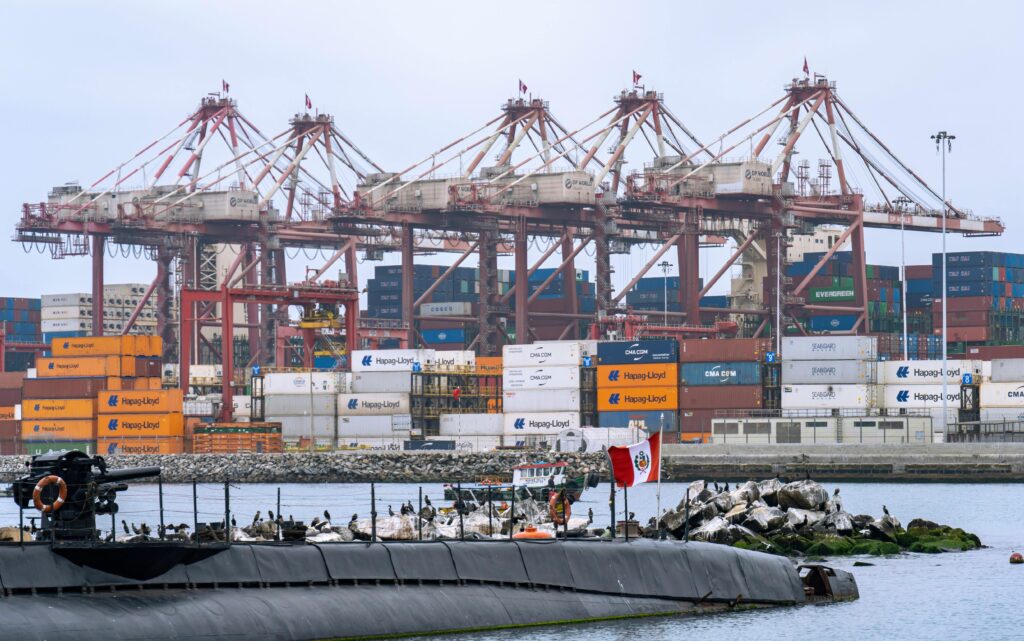
1. Port Congestion and Long Turnaround Times
Many Latin American ports suffer from chronic congestion caused by rising trade volumes and limited handling capacity. Ships often experience long waiting times at anchorage, while cargo clearance is delayed. Congestion increases logistics costs and reduces the reliability of supply chains.
2. Inadequate Port Infrastructure
A large number of ports in the region operate with outdated infrastructure. Insufficient berth depth, limited terminal space, aging cranes, and poor storage facilities restrict the ability to handle larger vessels and modern cargo efficiently.
3. Limited Ability to Handle Mega-Ships
The growing use of large container ships has exposed structural weaknesses in many Latin American ports. Shallow channels and outdated equipment prevent ports from accommodating these vessels, forcing shipping lines to rely on transshipment hubs outside the region.
4. Poor Hinterland Connectivity
Ports depend on efficient road, rail, and inland waterway connections. In many Latin American countries, weak transport infrastructure beyond the port gate leads to traffic congestion, high transportation costs, and slow cargo movement to and from inland markets.
5. High Logistics and Port Costs
Port charges, handling fees, storage costs, and demurrage fees are relatively high in parts of Latin America. These costs reduce export competitiveness, especially for low-value commodities and small exporters.
6. Bureaucracy and Inefficient Customs Procedures
Complex administrative processes and slow customs clearance create major delays at ports. Multiple government agencies, inconsistent regulations, and excessive inspections increase transaction time and cost, discouraging trade and investment.
7. Governance Challenges and Corruption
Weak governance and corruption remain serious concerns in several ports. Lack of transparency, informal payments, and limited accountability reduce efficiency and deter private investment. Corruption also undermines public trust and revenue collection.
8. Labor Issues and Productivity Constraints
Labor relations in Latin American ports can be challenging. Rigid work rules, resistance to automation, and frequent labor disputes reduce operational productivity. Strikes and work stoppages can disrupt national and regional supply chains.
9. Limited Adoption of Technology and Digitalization
While some ports have introduced digital platforms, many still rely on manual or semi-automated processes. Limited use of port community systems, electronic documentation, and data integration reduces efficiency and transparency.
10. Environmental and Sustainability Pressures
Ports face increasing pressure to reduce emissions, manage waste, and protect marine ecosystems. Air pollution, water contamination, and inadequate waste management systems affect surrounding communities and ecosystems, while compliance with environmental standards increases costs.
11. Climate Change Vulnerability
Latin American ports are highly vulnerable to climate-related risks such as hurricanes, floods, rising sea levels, and extreme weather events. Many ports lack resilient infrastructure and comprehensive disaster preparedness plans.
12. Security and Safety Concerns
Cargo theft, smuggling, drug trafficking, and organized crime pose serious security threats to ports in the region. Insufficient surveillance systems and enforcement capacity increase risks for operators and shipping lines.
13. Investment Gaps and Financing Constraints
Developing and upgrading port infrastructure requires large capital investments. Public budget limitations, political uncertainty, and regulatory risks often discourage private sector participation and long-term financing.
14. Strong Regional and Global Competition
Latin American ports face growing competition from ports in North America, Asia, and the Caribbean. Many competing ports offer better efficiency, lower costs, and more advanced services, drawing shipping routes away from the region.
Conclusion
Latin American ports are vital engines of trade and development but face numerous structural, operational, and institutional challenges. Congestion, weak infrastructure, high costs, governance issues, environmental risks, and investment constraints limit their potential. Addressing these problems requires coordinated reforms, increased investment, digital innovation, and regional cooperation. With the right strategies, Latin American ports can strengthen their role in global trade and support long-term economic growth across the region.