

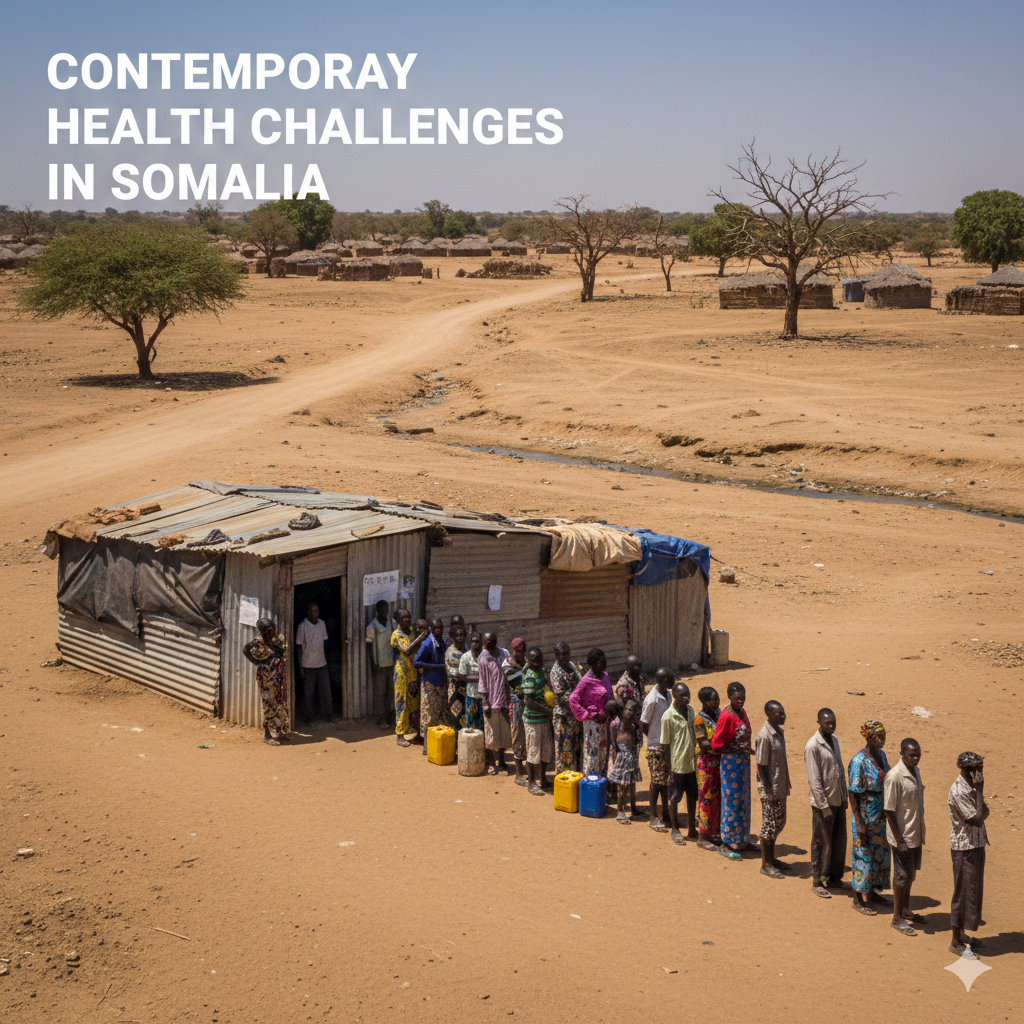
Health in Somalia Today: 14 Key Issues
Healthcare is a cornerstone of human development and well-being. Somalia faces numerous health challenges due to conflict, poverty, weak infrastructure, and the prevalence of infectious diseases. This article highlights 14 major health issues affecting Somalia today.
1. Infectious Diseases
Somalia has a high prevalence of infectious diseases such as measles, diarrhea, respiratory infections, and malaria. Poor sanitation and limited access to healthcare increase the spread of these illnesses.
2. Limited Access to Healthcare Services
Many people in rural and remote areas cannot access hospitals or quality health centers. This leads to untreated illnesses, higher mortality, and preventable suffering.
3. Economic Barriers
Poverty limits people’s ability to pay for medical care, forcing many to avoid treatment or medications. High costs increase health disparities across the population.
4. Weak Health Infrastructure
Hospitals and clinics often lack proper equipment, medicine, and essential services. Many facilities struggle to provide modern diagnostic and treatment options.
5. Shortage of Healthcare Workers
There is a severe shortage of doctors, nurses, and laboratory technicians, especially in rural regions. Most trained staff are concentrated in urban centers, leaving remote communities underserved.
6. Poor Sanitation and Unsafe Water
Contaminated water and poor hygiene contribute to gastrointestinal diseases and diarrhea. People living in camps for displaced persons are particularly vulnerable.
7. Maternal and Child Health Risks
Pregnant women and children under five are at high risk from preventable diseases such as malaria, measles, and malnutrition. Maternal and child health services remain underdeveloped.
8. Malnutrition
Many Somali children suffer from malnutrition, leading to stunted growth, weakened immunity, and increased mortality. Food insecurity exacerbates this problem.
9. Mental Health Issues
Conflict, displacement, and trauma have affected mental health across communities. Mental health services and trained professionals are extremely limited.
10. Limited Access to Essential Medicines
Essential drugs, including antibiotics, vaccines, and pain relief, are often unavailable. This contributes to worsening illness and higher death rates.
11. Emerging and Epidemic Diseases
Somalia faces risks from emerging diseases such as COVID-19 and Ebola. Preventive measures and treatments are hampered by weak health infrastructure.
12. Stress and Burnout Among Health Workers
Healthcare staff and communities face high stress, long working hours, and challenging conditions, contributing to mental fatigue and reduced care quality.
13. Low Vaccination Coverage
Many children and adults do not receive recommended vaccinations due to shortages, accessibility issues, and poverty, increasing the risk of preventable disease outbreaks.
14. Limited Investment and Coordination
Healthcare funding is low, with limited government budgets and reliance on international aid. Stronger coordination between government, NGOs, and local communities is critical for improving services.
Conclusion
Health in Somalia today faces multiple, interconnected challenges. Infectious diseases, malnutrition, weak infrastructure, shortage of health workers, and limited access to essential medicines are major issues. Addressing them requires investment, workforce training, improved health facilities, sanitation, vaccination programs, and collaboration between government, international partners, and local communities. With these actions, Somali healthcare can become more accessible, resilient, and sustainable.