

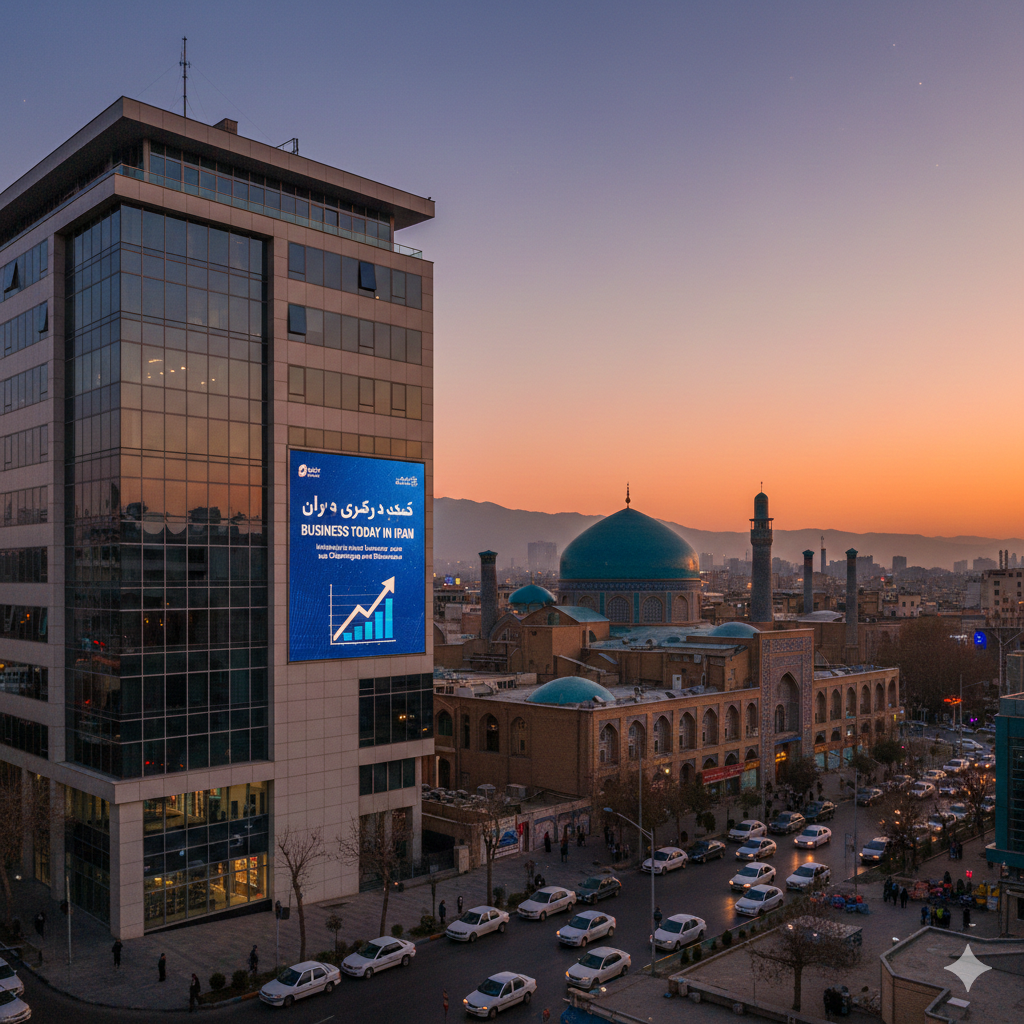
The Iranian business environment in 2024 presents a complex and often contradictory picture. It is a landscape defined by profound, systemic pressures, yet simultaneously marked by extraordinary innovation and a stubborn entrepreneurial spirit that persists against considerable odds. To understand “business today in Iran” is to examine a dynamic interplay of severe macroeconomic instability, a shifting geopolitical chessboard, technological adaptation, and the quiet, determined growth of a domestic private sector learning to survive and, in niches, thrive.
The Macroeconomic Quagmire: Sanctions, Inflation, and Currency Volatility
Any discussion of Iranian business must begin with the overwhelming reality: the economy operates under the long shadow of comprehensive international sanctions, primarily reimposed by the United States after its withdrawal from the JCPOA (the 2015 nuclear deal) in 2018. These sanctions have severed Iran from much of the global financial system (SWIFT), drastically reduced oil exports—the traditional lifeline of government revenue—and deterred most foreign direct investment.
The result is a macroeconomic triptych of distress:
- Runaway Inflation: Officially hovering around 40-50%, with certain food and housing sectors experiencing far higher rates, inflation relentlessly erodes purchasing power and makes long-term business planning a formidable challenge.
- Currency Depreciation: The Iranian rial has lost a significant portion of its value over the past decade. While a managed multi-tier exchange rate system exists, the gap between the official and open-market rates creates distortions, opportunities for arbitrage, and added complexity for importers and exporters.
- Contraction and Stagnation: Years of low growth, punctuated by periods of sharp recession, have constrained the formal economy. The government, facing budget shortfalls, often prioritizes a vast network of state-owned enterprises and bonyads (semi-private charitable foundations with deep economic influence), which can crowd out private sector actors.
For the average business owner, this translates to extreme difficulty in sourcing imported raw materials or machinery, unpredictable costs, and a constant struggle to maintain liquidity. Supply chains are fragmented, and payments for international trade are labyrinthine, often relying on informal havala networks or creative barter arrangements.
Adaptation and Innovation: The Rise of a Resistance Economy
In response to these pressures, a distinct model often termed the “Resistance Economy”—a concept championed by the Supreme Leader—has evolved from policy slogan to business necessity. This model emphasizes self-sufficiency, import substitution, and looking eastward for partnerships. The practical outcomes are mixed but noteworthy.
- Domestic Manufacturing Push: Sanctions have forced a surge in local production across pharmaceuticals, petrochemicals, home appliances, and automotive parts. While quality and efficiency can suffer due to limited access to technology and capital, this push has created new industrial clusters and reduced dependence on some finished consumer imports.
- The “Look East” Policy: With traditional Western markets closed, Iranian business has pivoted decisively toward strategic partners like China, Russia, and neighboring nations. China is Iran’s largest trading partner, with relationships often solidified through direct government-to-government agreements and local currency exchanges to bypass dollar-based systems. Trade with Russia has increased, particularly in agriculture and construction materials. While offering a lifeline, this reorientation also deepens economic dependency on a single major partner, China.
- Digital and Technological Surge: Perhaps the most vibrant sector is Iran’s technology and startup ecosystem. Despite throttled internet speeds and blocked access to many global platforms, a young, highly educated population has fostered a dynamic digital economy. Homegrown versions of Uber (Snapp), Amazon (Digikala), and Airbnb (Jajeqa) are not just copies; they are sophisticated, well-utilized platforms that have transformed urban life. E-commerce, fintech (operating within strict regulatory limits), and online services are booming. This sector represents the most potent fusion of Iran’s human capital and adaptive ingenuity.
Sectoral Spotlights: Contrasts and Opportunities
The business climate varies dramatically by sector:
- Energy & Petrochemicals: Despite sanctions, Iran holds the world’s second-largest gas reserves and fourth-largest oil reserves. The sector remains the primary source of government revenue, but underinvestment and technological constraints cap its potential. Petrochemicals, however, have become a crucial non-oil export, benefiting from abundant feedstock and less stringent sanctions targeting.
- Agriculture & Food Security: Water scarcity is an existential crisis for Iranian agriculture, forcing a shift toward more efficient methods and high-value crops like nuts and saffron (where Iran is the global leader). The sector is a priority for national security but faces immense environmental challenges.
- Automotive: Once the Middle East’s largest auto manufacturer, led by giants like Iran Khodro and SAIPA, the industry has been crippled by the inability to access parts and foreign partnerships, leading to plummeting output and quality issues. It is a stark example of sanctions’ direct industrial impact.
- Tourism: Possessing immense cultural and historical wealth, tourism is a potential bright spot. Religious pilgrimage to Mashhad and Qom continues, and efforts to attract regional tourists for medical or eco-tourism persist. However, geopolitical tensions and infrastructure limitations prevent a true breakout.