

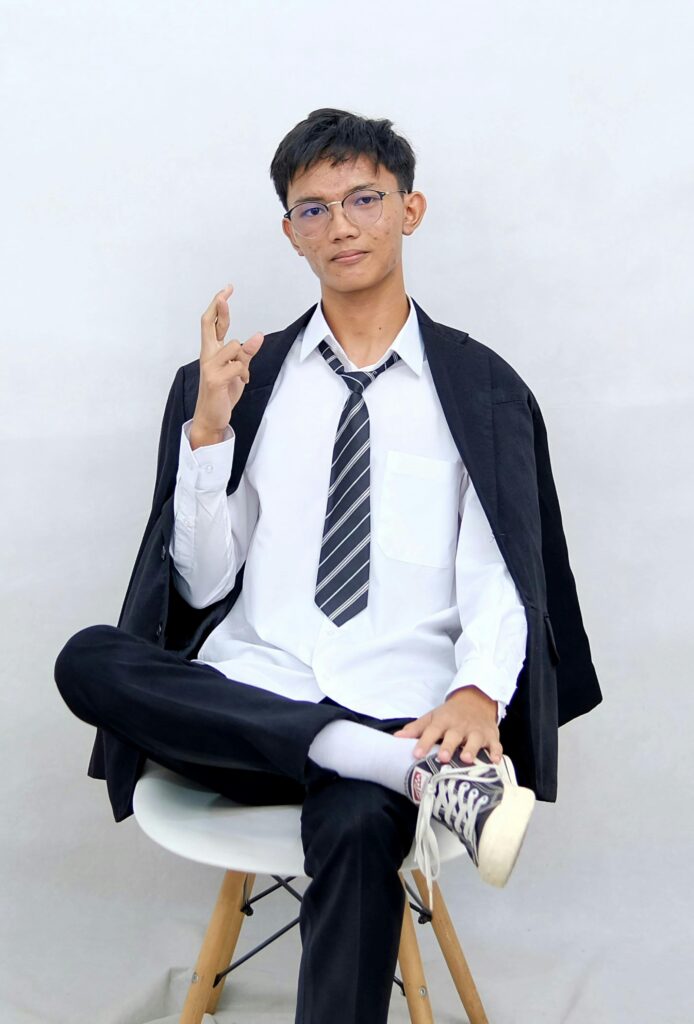
Business and Casual Today: A 12-Part Overview
1. Introduction: The Evolution of Dress Codes
In today’s fast-paced professional world, dress codes have evolved dramatically. Gone are the days when formal suits and ties were mandatory in every office. Modern workplaces now embrace a blend of business and casual attire, reflecting flexibility, comfort, and personal style.
2. Defining Business Attire
Business attire, often called professional wear, is designed to convey competence, authority, and credibility. Traditionally, this includes tailored suits, blouses, dress shirts, slacks, skirts, and formal shoes. In many corporate environments, business attire remains the standard for client meetings and high-level presentations.
3. Defining Casual Attire
Casual attire prioritizes comfort and self-expression while remaining appropriate for the workplace. This can include chinos, polo shirts, casual dresses, loafers, and sneakers. Today, casual dress codes are popular in creative industries, tech companies, and startups, where rigid formality may stifle creativity.
4. Business Casual: The Middle Ground
Business casual bridges the gap between formal business attire and casual wear. Think tailored trousers with a polo or button-down shirt, or a blouse paired with a smart skirt. The goal is to look professional yet approachable. It has become a staple in many offices worldwide.
5. The Impact of Workplace Culture
Workplace culture heavily influences attire choices. Financial institutions may still lean toward traditional business wear, while tech firms encourage casual clothing to foster creativity and collaboration. Understanding company culture is key to dressing appropriately.
6. Gender Considerations in Attire
Today, business and casual dress codes are increasingly gender-neutral. Women and men can opt for tailored suits, pants, blazers, or dresses. Accessories, colors, and footwear allow individuals to express personal style while maintaining professionalism.
7. Trends in Business Attire
Modern business attire trends are leaning toward minimalism and versatility. Neutral tones, clean lines, and mix-and-match pieces allow for professional looks that are comfortable and functional. Sustainable fabrics and ethical fashion choices are also gaining importance.
8. Trends in Casual Attire
Casual wear trends focus on comfort, tech-friendly fabrics, and adaptable designs. Athleisure, smart sneakers, and casual blazers have blurred the line between workwear and leisurewear. Today, employees can maintain a polished appearance without sacrificing comfort.
9. Seasonal Considerations
Seasonal changes affect business and casual wardrobes. Lightweight fabrics like linen and cotton are popular in summer, while wool, cashmere, and layering dominate in winter. Seasonal adaptability ensures that attire remains professional and comfortable year-round.
10. Accessories and Details
Accessories play a crucial role in both business and casual attire. Watches, belts, ties, scarves, and minimal jewelry can elevate an outfit. Even casual attire can be enhanced with subtle, thoughtful accessories that reflect personality without undermining professionalism.
11. The Rise of Hybrid Work Attire
With hybrid and remote work becoming standard, attire expectations have shifted. Professionals often need outfits that are presentable for video calls yet comfortable enough for home wear. This has given rise to “remote-ready business casual” – smart tops with relaxed bottoms, for example.
12. Conclusion: Dressing for Success Today
Today, dressing well means balancing professionalism, comfort, and personal expression. Business and casual attire coexist, allowing individuals to adapt to different situations with confidence. Understanding the nuances of each style ensures that one can look appropriate, stylish, and ready for any workplace challenge.
