

Blonde Hair Today: Beauty, Culture, and Modern Trends
Blonde hair has long been a captivating feature in human culture, symbolizing everything from youth and beauty to individuality and rebellion. While natural blondes constitute a small percentage of the global population, the allure of blonde hair extends far beyond genetics, influencing fashion, media, and personal identity. Today, blonde hair continues to evolve as both a style statement and a cultural icon, blending historical roots with contemporary trends.
The Genetics of Blonde Hair
Blonde hair is primarily determined by genetics. The lighter color is due to lower levels of eumelanin, the pigment responsible for darker hair shades, and sometimes higher concentrations of pheomelanin, which can give hair a golden or reddish tint. Natural blond hair is most commonly found in populations of Northern and Eastern Europe, though it can appear sporadically in other ethnic groups due to genetic variation. Interestingly, natural blonde hair often darkens with age, as the body increases melanin production over time, which is why many blonde children grow into adults with darker hair.
Historical Significance
Throughout history, blonde hair has carried different symbolic meanings across cultures. In ancient civilizations such as Greece and Rome, blonde hair was associated with beauty, divinity, and even heroism. Greek mythology often depicted gods and goddesses with golden locks, suggesting a divine or ethereal quality. During the Renaissance, blonde hair was celebrated in art as a symbol of purity and virtue, particularly in depictions of women and angels. In Northern Europe, where blonde hair is more prevalent, it was sometimes seen as a mark of racial or social identity, often idealized in literature and folklore.
By contrast, the perception of blonde hair has been more nuanced in modern times. In the 20th century, Hollywood played a pivotal role in shaping contemporary views of blondes. Stars such as Marilyn Monroe and Grace Kelly popularized the image of the blonde as glamorous, seductive, and desirable. This association, however, also gave rise to certain stereotypes, from the “dumb blonde” trope to assumptions about personality traits, illustrating how physical appearance can influence social perception.
Blonde Hair as a Fashion Statement
Today, blonde hair is less about natural genetics and more about personal expression. Hair coloring has become a multi-billion-dollar industry, allowing people to experiment with shades ranging from platinum to honey to strawberry blonde. The flexibility of blonde tones makes them highly versatile for fashion, as they can complement different skin tones, eye colors, and personal styles. Celebrities and influencers frequently reinvent their looks through blonde hair, demonstrating that the color is not only a marker of identity but also a canvas for creativity.
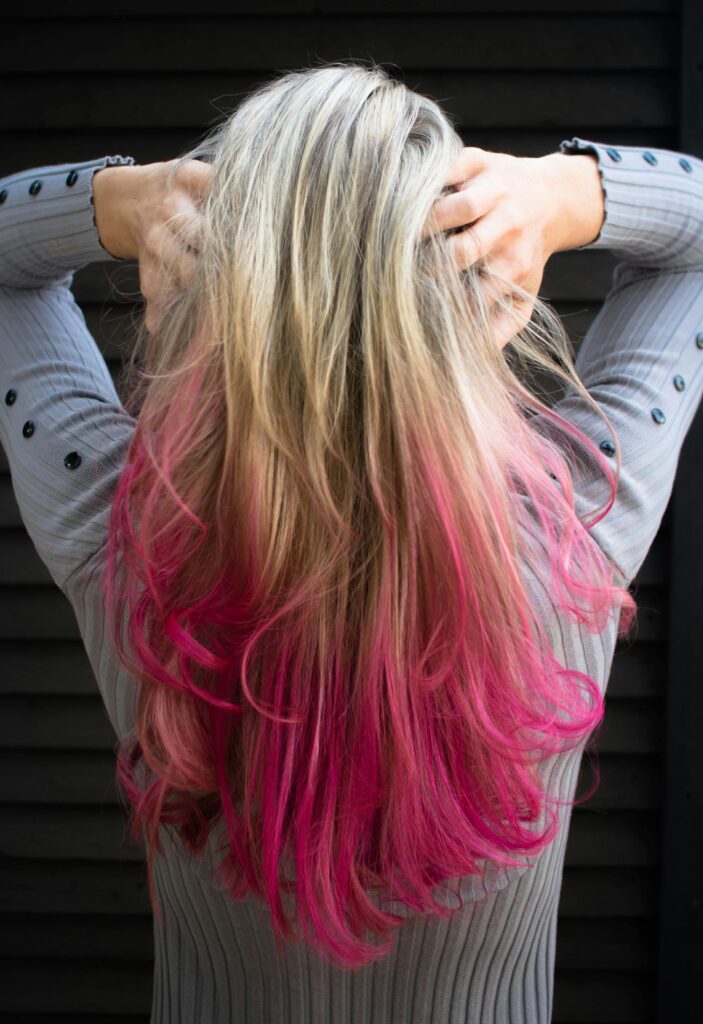
Modern techniques in hair coloring have revolutionized how people achieve and maintain blonde hair. Balayage, ombré, and highlights provide a natural, multidimensional look, while platinum and icy blonde shades require more intensive maintenance. Hair care products specifically formulated for blonde hair—such as purple shampoos to counteract brassiness—reflect the ongoing innovation within the beauty industry. Beyond aesthetics, blonde hair has become a tool for self-expression, allowing individuals to convey confidence, edginess, or elegance depending on their chosen shade and style.
Cultural and Social Implications
Blonde hair carries layered cultural meanings that extend beyond fashion. In many Western societies, it is still often associated with youth, vibrancy, and attractiveness. This perception has influenced social dynamics, from dating preferences to professional stereotypes. However, in the era of social media, these associations are being challenged and diversified. People now experiment with unconventional blonde shades, like pastel or metallic tones, as a way to break away from traditional norms and assert individuality.
Moreover, the global spread of blonde hair coloring highlights cross-cultural influences. In East Asia, Latin America, and the Middle East, blonde hair—often achieved through dyeing—has become a symbol of modernity and cosmopolitan style, sometimes blending Western trends with local aesthetics. Social media platforms like Instagram and TikTok amplify these trends, making blonde hair not only a personal choice but a global phenomenon that reflects evolving standards of beauty and self-expression.
Health and Maintenance Considerations
Blonde hair, particularly when dyed, requires careful maintenance. The bleaching process that produces lighter shades can weaken the hair shaft, making strands more prone to breakage, dryness, and frizz. Professionals often recommend deep conditioning treatments, protein-based masks, and minimizing heat styling to preserve hair health. Beyond the physical care, there is a psychological dimension: maintaining blonde hair can demand a significant commitment of time, money, and attention, making it both a luxury and a lifestyle choice.
Blonde Hair in the Future
As trends continue to evolve, blonde hair remains at the forefront of beauty innovation. Advances in hair technology, including less damaging dyes and color-protecting treatments, are making it more accessible for people of all hair types. Additionally, the growing emphasis on inclusivity in beauty allows for a wider appreciation of blonde hair across diverse skin tones and ethnic backgrounds. In the future, blonde hair is likely to continue being both a classic and experimental choice, symbolizing creativity, individuality, and cultural exchange.
Conclusion
Blonde hair today is more than just a hair color; it is a multifaceted symbol of beauty, culture, and identity. From its historical significance in art and mythology to its modern role in fashion and social media, blonde hair reflects how physical traits can carry rich meanings and personal significance. Whether naturally occurring or artfully dyed, blonde hair offers a way for individuals to express themselves, challenge norms, and participate in a global dialogue about beauty and style. In an age where self-expression is celebrated, blonde hair continues to shine as a versatile and enduring statement—an emblem of both tradition and modernity.
