

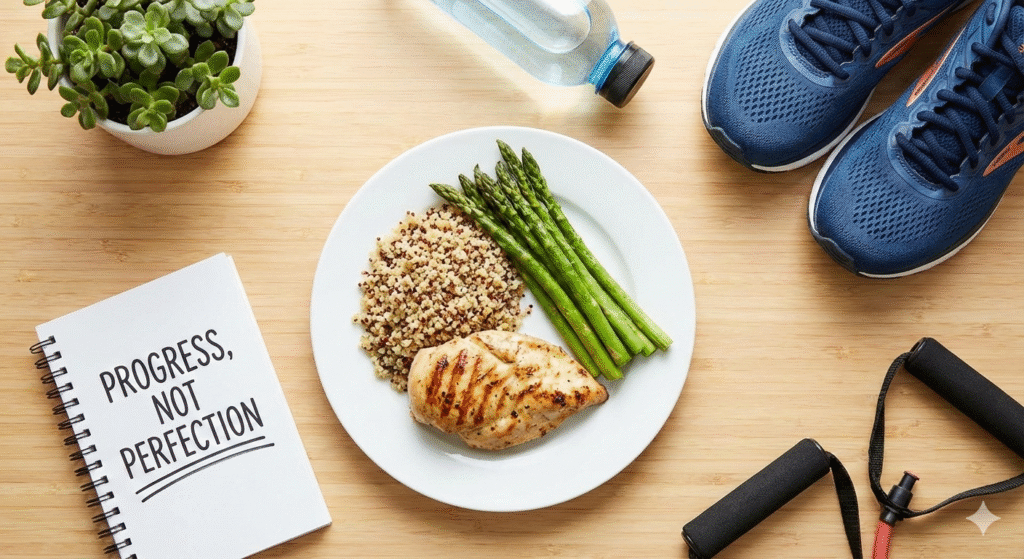
Here is a comprehensive, evidence-based article on weight loss. It is written to be engaging, informative, and focused on sustainable results rather than “quick fixes.”You can use this draft as is, or I can help you tailor it to a specific audience (e.g., busy professionals, new parents, or seniors).Beyond the Scale: A Sustainable Guide to Healthy Weight LossWeight loss is one of the most Googled topics in the world, yet it remains one of the most confusing. Between fad diets, “magic” pills, and conflicting influencer advice, finding a path that actually works—and sticks—can feel impossible.The truth is that lasting weight loss isn’t about starving yourself or living in the gym. It is about creating a lifestyle you actually enjoy, built on small, consistent changes.Here is the blueprint for sustainable, healthy weight loss.1. The Foundation: Nutrition Over DeprivationThe scientific core of weight loss is a calorie deficit (consuming fewer calories than you burn). However, what you eat matters just as much as how much you eat.Instead of focusing on what you must cut out, focus on what you can add in: * Prioritize Protein: Protein is the most satiating macronutrient. It curbs hunger hormones and helps build lean muscle, which keeps your metabolism firing. Aim for a serving of lean protein (chicken, fish, tofu, beans, or Greek yogurt) at every meal. * Fiber is Your Friend: Found in vegetables, fruits, and whole grains, fiber adds volume to your meals without adding significant calories. It slows digestion and keeps blood sugar stable, preventing the energy crashes that lead to snacking. * Hydration: thirst is often confused with hunger. Drinking a glass of water before meals can naturally reduce your intake.> The 80/20 Rule: Aim to eat nutrient-dense whole foods 80% of the time, and enjoy your favorite treats 20% of the time. This prevents the “binge-restrict” cycle.> 2. Movement: Strength and ActivityWhile nutrition drives weight loss, exercise drives health and body composition.Lift Heavy ThingsCardio (running, cycling) burns calories while you do it, but strength training burns calories after you finish. Building muscle increases your Resting Metabolic Rate (RMR), meaning you burn more energy just sitting on the couch.NEAT: The Secret WeaponNEAT stands for Non-Exercise Activity Thermogenesis. This is the energy you burn doing everything that isn’t a formal workout—walking the dog, taking the stairs, cleaning the house, or fidgeting. * Goal: Try to hit 7,000–10,000 steps a day. This often burns more total calories per week than three hours of intense gym time.3. The Hidden Factors: Sleep and StressIf you are eating right and exercising but the scale isn’t moving, check your lifestyle. * Sleep: When you are sleep-deprived, your body produces more ghrelin (the hunger hormone) and less leptin (the fullness hormone). Aim for 7–9 hours of quality sleep. * Stress Management: Chronic stress spikes cortisol, a hormone that encourages the body to store fat, particularly around the midsection. Techniques like meditation, deep breathing, or simply reading a book can lower cortisol levels.4. The Mindset ShiftThe biggest barrier to weight loss is rarely a lack of knowledge; it is a lack of patience. * Focus on Non-Scale Victories (NSVs): The scale fluctuates daily based on water retention and hormones. Instead, track your progress by how your clothes fit, your energy levels, and your strength in the gym. * Consistency > Perfection: One “bad” meal will not make you gain weight, just as one salad will not make you lose it. It is what you do consistently over weeks and months that counts.The Bottom LineWeight loss is not a sprint; it is a marathon. By focusing on whole foods, moving your body in ways you enjoy, and managing your recovery, you can build a body that is not just lighter, but stronger and healthier.Start small. Pick one habit to change today—perhaps drinking more water or walking 10 minutes after dinner—and build from there. Your future self will thank you.Would you like me to… * Shorten this into a “Top 5 Tips” listicle format? * Modify the tone to be more medical/scientific or more motivational? * Create a 7-day meal plan example to go along with this article?
