

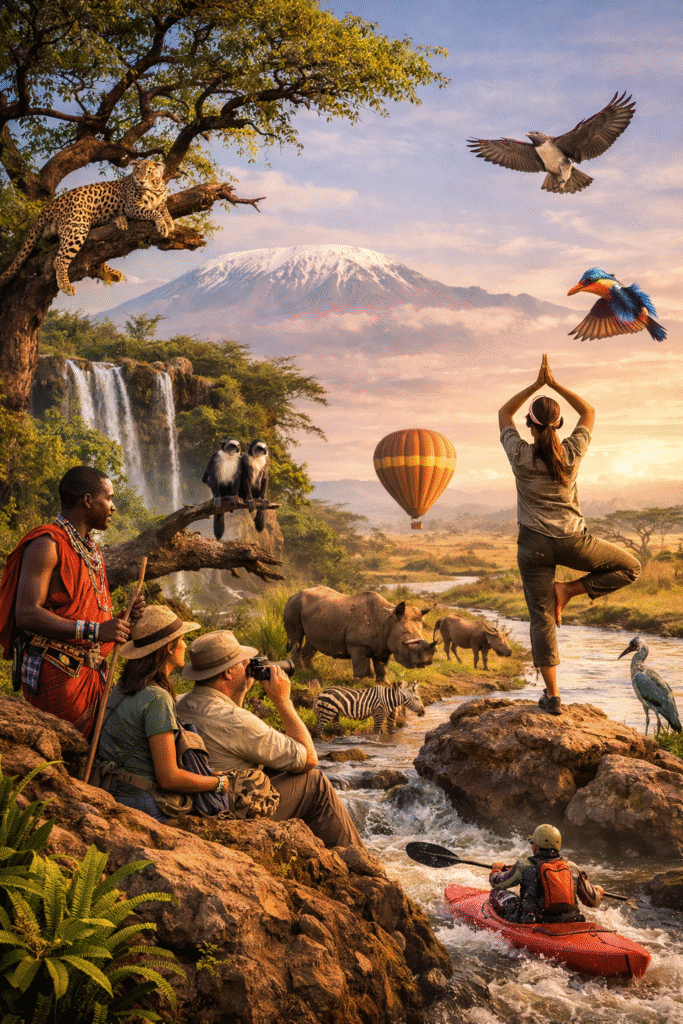
Part 1: Introduction – The Call of the Wild, Reimagined
For generations, Kenya has been the global shorthand for the African safari. Today, that iconic experience is undergoing a profound evolution. Travel to Kenya in 2024 is no longer just about ticking off the “Big Five”; it is a deeper, more nuanced, and more conscious journey. It is a story of community empowerment, environmental stewardship, diverse adventures beyond the savannah, and a nation eagerly welcoming the world back to its stunning landscapes with renewed purpose.
Part 2: The Conservation-Led Safari: Beyond the Game Drive
The classic safari remains the cornerstone, but its ethos has transformed. Travelers now seek meaningful engagement with conservation. Lodges are not just accommodations; they are hubs for rhino protection, lion research, and elephant corridor projects. Experiences include visiting canine anti-poaching units, participating in citizen science like identifying wildlife from camera trap photos, and learning directly from Maasai conservationists. The narrative has shifted from passive viewing to active contribution.
Part 3: The Rise of the Community Conservancy Model
This is the single most significant development in Kenyan tourism. In regions like Laikipia, Samburu, and the Mara, vast tracts of land are managed not by the government, but by community conservancies. Here, tourism revenue flows directly to local landowners. This model incentivizes conservation, reduces human-wildlife conflict, and offers travelers a more exclusive, low-density safari experience away from public park crowds, guided by those who know the land intimately.
Part 4: Coastal Rebirth: From Resorts to Regenerative Travel
Kenya’s coast is experiencing a renaissance that moves beyond the all-inclusive resort. Diani Beach remains a hub, but the trend is towards boutique, design-forward hotels emphasizing Swahili architecture and local materials. The focus is on regenerative travel: reef restoration projects in Watamu, community-led mangrove kayak tours, and sourcing food from local organic farms. The history of Lamu Island, a UNESCO World Heritage site, offers a car-free, deeply cultural immersion into Swahili life.
Part 5: The New Northern Frontier: Adventure Untamed
The ambitious LAPSSET Corridor is slowly opening Kenya’s wild north. Samburu and Meru National Parks offer rugged, off-the-beaten-path safaris with unique species like the gerenuk and Grevy’s zebra. Further north, Lake Turkana and the Chalbi Desert present a frontier adventure of staggering, Martian-like beauty, appealing to intrepid travelers seeking raw, untouched landscapes and encounters with resilient pastoralist cultures.
Part 6: Urban Nairobi: Africa’s Vibrant Creative Capital
Nairobi demands more than a one-night stopover. The city has cemented its status as “Silicon Savannah” and a continental creative hub. Travelers can explore contemporary art galleries, tour tech innovation hubs, sample a world-class food scene in Westlands, and experience the nocturnal buzz of rooftop bars. The Nairobi National Park, a unique wildlife haven against a city skyline, and the deeply moving Sheldrick Wildlife Trust orphan elephant nursery, remain essential urban safari experiences.
Part 7: High-Altitude Trekking: Conquering New Peaks
Kenya is challenging its East African neighbor for trekking prestige. While Mount Kenya‘s technical peaks attract serious climbers, the wider foothills are becoming a trekker’s paradise. The Chyulu Hills, dubbed the “Green Hills of Africa,” offer stunning horseback riding and hiking through cloud forests. The Aberdare Ranges provide mystical, misty hikes where wildlife like bongo antelope and elephants roam in dense bamboo forests.
Part 8: The Food & Drink Revolution: From Farm to Bush Table
Safari cuisine has been revolutionized. Gone are the days of bland buffets. Today’s camps offer “farm-to-bush-table” dining, with organic gardens supplying fresh produce. Bush breakfasts and sundowners are elaborate, Instagram-worthy affairs. In cities, Nairobi’s food scene thrives, and the Kenyan wine scene is emerging, with vineyards near Naivasha. Coffee tourism is booming, with visits to small-holder farms in the Kenyan highlands.
Part 9: Bleisure & Digital Nomadism: Working from the Wilderness
Post-pandemic remote work trends have fully arrived. Upmarket lodges now market “workations” with high-speed Starlink internet, allowing guests to join a Zoom call from a tent overlooking the Mara River. Nairobi’s co-working spaces are filled with a global nomadic community. Kenya’s improved digital infrastructure is making it possible to blend a productive work week with unparalleled weekend wildlife adventures.
Part 10: Aviation Access: More Gateways to the Wild
Connectivity is stronger than ever. Jomo Kenyatta International Airport (Nairobi) is a major hub with increasing direct flights from the US and Europe. Moi International Airport (Mombasa) welcomes direct charters. Critically, the domestic network has exploded. The reliability and frequency of scheduled safaris flights on carriers like Safarilink and Air Kenya, plus the growth of low-cost carrier Jambojet, make multi-destination itineraries across Kenya seamless and efficient.
Part 11: The Luxury Redefined: Understated Elegance and Impact
Modern luxury in Kenya is defined by space, privacy, and purpose. It’s found in exclusive-use private villas within conservancies, mobile walking safaris that move with the wildlife, and tented camps with minimalist, eco-sensitive design. Luxury is no longer just about thread count; it’s about having a million-acre classroom to yourself, guided by the most knowledgeable naturalists, and knowing your stay directly funds a conservation outcome.
Part 12: Traveling with Purpose: Voluntourism 2.0
The concept of “giving back” has matured from simplistic voluntourism to skilled partnerships. Reputable operators now offer structured “Travel with Purpose” itineraries where visitors with specific skills—in veterinary medicine, tech, photography, or teaching—can contribute to established community or conservation projects for a few days in a respectful, impactful, and non-disruptive way.
Part 13: Navigating Challenges: Value, Climate, and Crowds
Travelers must be savvy. The weak Kenyan shilling offers great value but demands careful planning. The stark reality of climate change is visible, affecting animal migrations and park conditions. In peak season, popular areas of the Maasai Mara can feel crowded, making booking in community conservancies adjacent to the park essential for serenity. Travel insurance and flexibility are key.
Part 14: The Future: A Blueprint for Conscious Travel
Kenya is not just hosting tourists; it is pioneering a model for 21st-century travel. The future is hyper-personalized, data-informed itineraries that optimize wildlife sightings while minimizing carbon footprint. It’s about deepening the connection between guest and host, profit and protection. Kenya today offers the ultimate promise: a journey that changes the traveler’s perspective while ensuring their footsteps leave a positive, lasting legacy on the land and its people. The soul of safari is beating stronger than ever.