

Bahrain: A Modern Nation with Deep Roots
Bahrain, officially known as the Kingdom of Bahrain, is a small island country located in the Arabian Gulf, between Saudi Arabia and Qatar. Despite its modest size, Bahrain has a rich history, a dynamic culture, and an important role in the economic and political landscape of the Middle East.
Historical Background
Bahrain is one of the oldest inhabited regions in the Gulf. It was once the center of the ancient Dilmun civilization, which thrived over 4,000 years ago and was a key trade hub between Mesopotamia and the Indus Valley. Over centuries, Bahrain came under the influence of various powers, including the Portuguese and the Persians, before becoming a British protectorate in the 19th century. Bahrain gained full independence in 1971 and later became a constitutional monarchy.
Geography and Population
Bahrain consists of a group of islands, with Bahrain Island being the largest and most populated. The country has a desert climate, with hot summers and mild winters. Though land resources are limited, Bahrain has developed through land reclamation and modernization. Its population includes both Bahraini citizens and a large expatriate community, contributing to cultural diversity.
Economy
Historically, Bahrain’s economy depended on pearl diving and fishing. Today, it has one of the most diversified economies in the Gulf. While oil and gas remain important, Bahrain has expanded into banking, finance, tourism, aluminum production, and logistics. Manama, the capital city, is a regional financial center and home to many international banks and institutions.
Culture and Society
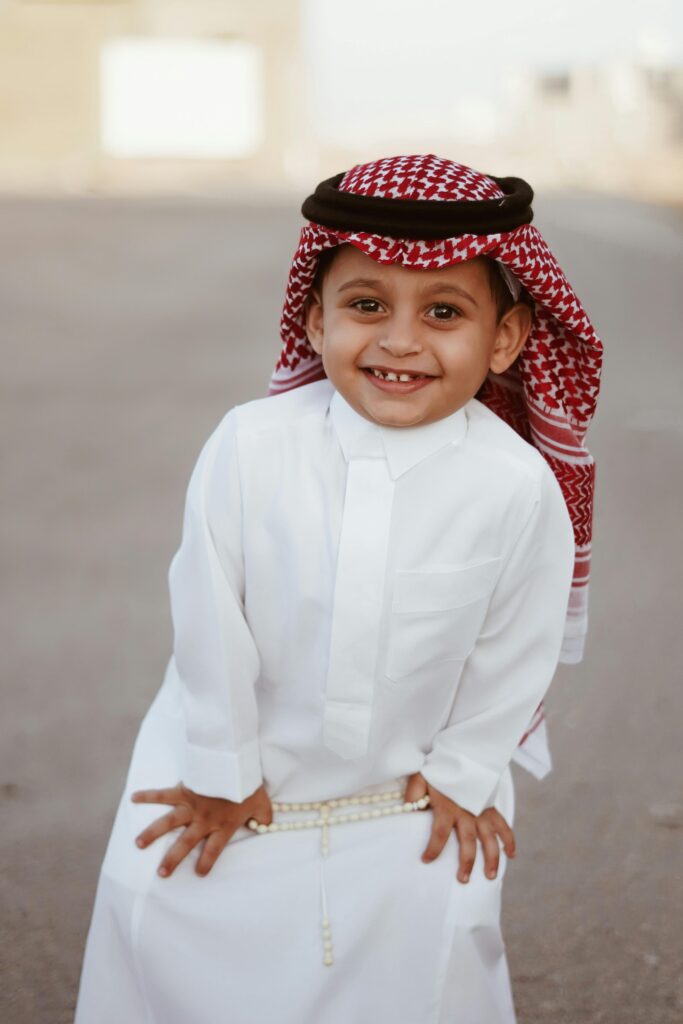
Bahraini culture reflects a blend of Arab traditions and modern influences. Hospitality, family values, and respect for tradition are central to society. Traditional music, dance, and crafts coexist with modern art, cinemas, and international events. The official language is Arabic, though English is widely spoken and used in business and education.
Religion and Governance
Islam is the official religion of Bahrain, and the country is home to both Sunni and Shia Muslim communities. Bahrain follows a constitutional monarchy system, led by a king, with a parliament that includes elected and appointed members.
Tourism and Development
Bahrain is known for landmarks such as the Bahrain Fort (a UNESCO World Heritage Site), the Bahrain National Museum, and the Tree of Life. The country also hosts the annual Formula 1 Bahrain Grand Prix, attracting visitors from around the world. Continuous development projects aim to strengthen infrastructure, tourism, and sustainability.
Conclusion
Bahrain stands as a unique example of how tradition and modernity can coexist. With its ancient history, strategic location, and forward-looking vision, Bahrain continues to play a significant role in the region while preserving its cultural identity.
