

Part 1: Introduction – The Lifeline of a Continent
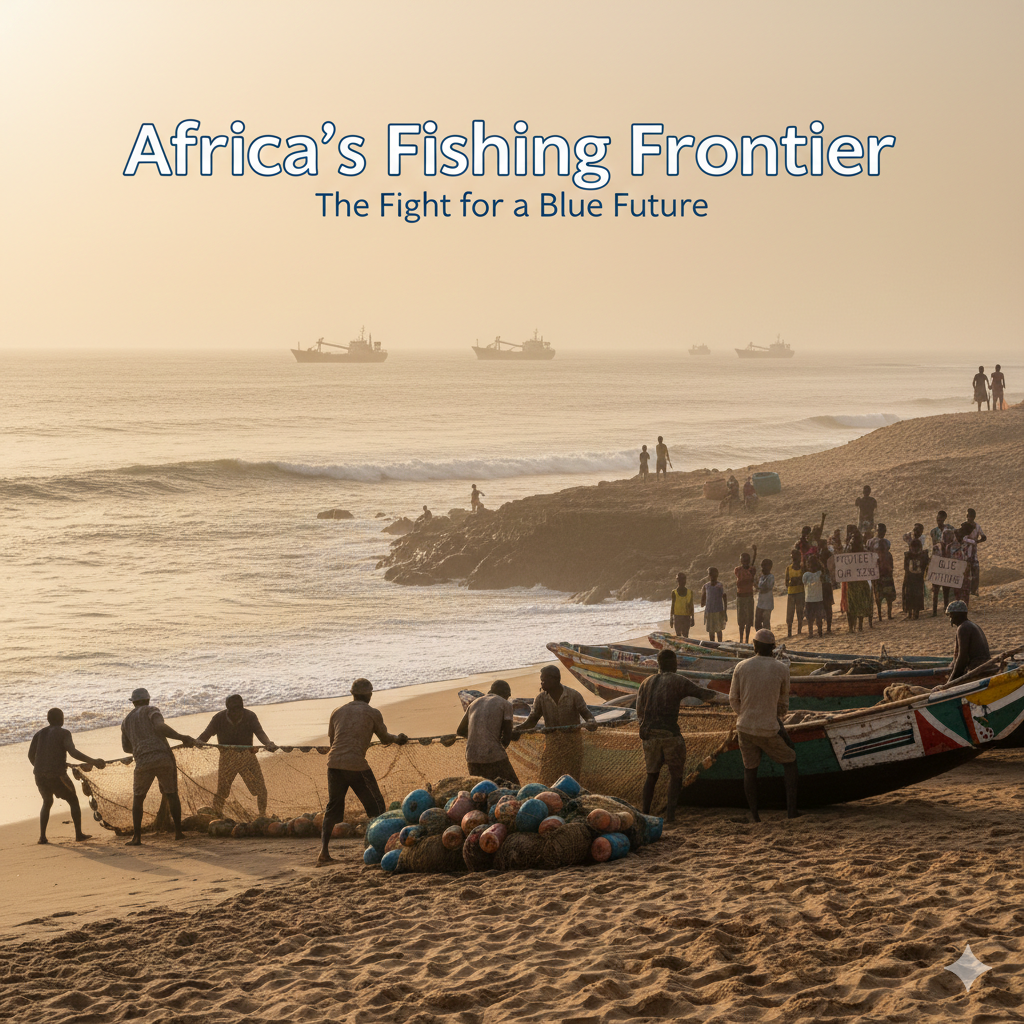
Fishing in Africa is far more than a pastime; it is a fundamental lifeline. It provides vital protein for over 200 million people, employs tens of millions directly and indirectly, and is deeply woven into the cultural fabric of coastal and inland communities alike. From the artisanal fisher in a dugout canoe on Lake Victoria to the industrial trawler off the coast of Mauritania, the sector is a study in contrasts. Today, this critical industry stands at a crossroads, balancing immense economic potential with severe ecological and social challenges.
Part 2: The Artisanal Backbone: Small-Scale, Massive Impact
Over 90% of Africa’s fish catch and employment comes from artisanal or small-scale fisheries. This vast network of men and, increasingly recognized, women fishers uses everything from canoes and handlines to small nets. They are the true backbone of food security, supplying local and national markets with fresh, affordable fish. However, they often operate on the margins—lacking formal recognition, safe working conditions, and access to finance and technology, leaving them vulnerable to shocks.
Part 3: The Industrial Pursuit: Trawling for Revenue and Controversy
Industrial fishing, often dominated by foreign-flagged vessels from the EU, China, and Russia, targets high-value species like tuna, sardines, and bottom-dwelling fish. For African governments, these fleets provide crucial revenue through access agreements and port fees. Yet, this sector is mired in controversy. Accusations of unsustainable catches, poor monitoring, and “ocean-grabbing” that sidelines local fishers are rampant, leading to conflicts and raising urgent questions about who truly benefits from Africa’s marine resources.
Part 4: Inland Treasures: The Great Lakes and River Fisheries
Africa’s inland waters—the Great Lakes (Victoria, Tanganyika, Malawi), the Niger Delta, the Congo River basin—are epicenters of biodiversity and human sustenance. Lake Victoria alone supports a Nile perch and tilapia industry worth billions. But these freshwater ecosystems are under immense stress. Pollution, water hyacinth infestation, and most critically, overfishing driven by rising populations and demand threaten their productivity and the millions who depend on them.
Part 5: The Aquaculture Revolution: Farming the Future
Seen as the solution to the “fish gap”—the difference between supply and growing demand—aquaculture is Africa’s fastest-growing food production sector. Countries like Nigeria, Egypt, Ghana, and Zambia are leading the way in farming catfish, tilapia, and marine shrimp. The potential for job creation and nutrition is enormous. However, challenges persist, including high-quality feed costs, limited technical expertise, access to suitable land/water, and environmental concerns about waste and antibiotic use.
Part 6: The Shadow Economy: Unreported, Unregulated, and Illicit
IUU (Illegal, Unreported, and Unregulated) fishing is the scourge of African waters. Estimated to cost the continent billions of dollars annually, it robs nations of revenue, undermines conservation efforts, and devastates fish stocks. This ranges from foreign industrial vessels turning off tracking systems to artisanal fishers using illegal mesh sizes. Weak governance, corruption, and limited surveillance capacity in vast maritime zones enable this shadow economy to thrive.
Part 7: Climate Change: The Rising Threat
African fisheries are on the front lines of the climate crisis. Warming waters are altering fish distribution, with some species moving southward or to deeper waters. Ocean acidification threatens coral reefs and shellfish. Changes in rainfall and river flows impact inland fisheries. For coastal communities, rising sea levels and intensified storms erode beaches and destroy infrastructure. Adaptation strategies, from diversifying livelihoods to protecting mangroves, are becoming essential for survival.
Part 8: Gender Dynamics: The Invisible Fishers – Women’s Central Role
While men typically dominate the act of catching fish, women are the engine of the post-harvest sector. They dominate processing, smoking, selling, and trading. They are crucial financiers and net-menders. Yet, they often face significant barriers: lack of access to capital, ownership of assets like boats, and representation in fisherfolk organizations. Empowering women in fisheries is now recognized as key to improving community resilience, nutrition, and economic growth.
Part 9: Sustainable Solutions: Co-Management and Marine Protection
Hope lies in innovative management models. Locally Managed Marine Areas (LMMAs), where communities are empowered to govern their own fishing grounds, have shown success from Kenya to Madagascar. Marine Protected Areas (MPAs) provide sanctuaries for fish to breed and grow. The push for rights-based fisheries, where access is clearly defined and secure, helps incentivize long-term stewardship over short-term plunder.
Part 10: Technological Waves: From Satellites to Mobile Phones
Technology is a game-changer. Satellite monitoring (VMS/AIS) is being used to track industrial vessels and combat IUU fishing. Mobile apps allow fishers to check weather forecasts, access market prices, and report catches. Solar-powered cold storage is reducing post-harvest losses. Blockchain is being piloted to ensure traceability from boat to plate, combating fraud and ensuring fishers get a fair price.
Part 11: Regional Cooperation: Sharing Seas, Sharing Futures
Fish do not respect political borders. Effective management requires robust regional cooperation. Bodies like the Fisheries Committee for the West Central Gulf of Guinea (FCWC) and regional economic communities work to harmonize policies, coordinate surveillance (e.g., the FISH-i Africa Taskforce), and jointly manage shared stocks like small pelagics in West Africa. The success of the continental blueprint, the African Union’s Policy Framework and Reform Strategy for Fisheries and Aquaculture, hinges on this collaboration.
Part 12: Economic Angles: Trade, Investment, and “Blue Economy” Dreams
Fish are a major export commodity for countries like Morocco, Namibia, and Senegal. The burgeoning “Blue Economy” concept promises to leverage oceans, lakes, and rivers for sustainable growth, encompassing fisheries, aquaculture, tourism, and marine biotechnology. Attracting responsible investment, improving local processing to capture more value (instead of exporting raw material), and ensuring revenues are reinvested in communities are critical to turning this promise into reality.
Part 13: Cultural Currents: Tradition in a Modern Net
Fishing is imbued with deep cultural significance. From the ritual ceremonies of Ghanaian Fanti communities to the timeless knowledge of Tanzanian reef fishers, tradition guides practices. This indigenous knowledge on fish behavior, weather patterns, and ecological balance is an invaluable resource for science-based management. The modern challenge is to integrate this wisdom with contemporary management to create resilient, community-owned systems.
Part 14: Conclusion: Casting for a Sustainable Future
The future of fishing in Africa is not written. One path leads to continued overexploitation, conflict, and ecological decline. The other leads towards sustainability, equity, and resilience. Navigating this course requires bold governance to curb IUU fishing, genuine empowerment of artisanal fishers and women, smart investment in aquaculture and technology, and unyielding commitment to regional and global climate action. The fish that feed and employ millions can continue to do so, but only if they, and the people who depend on them, are placed firmly at the center of Africa’s blue future. The time to act is now.
