

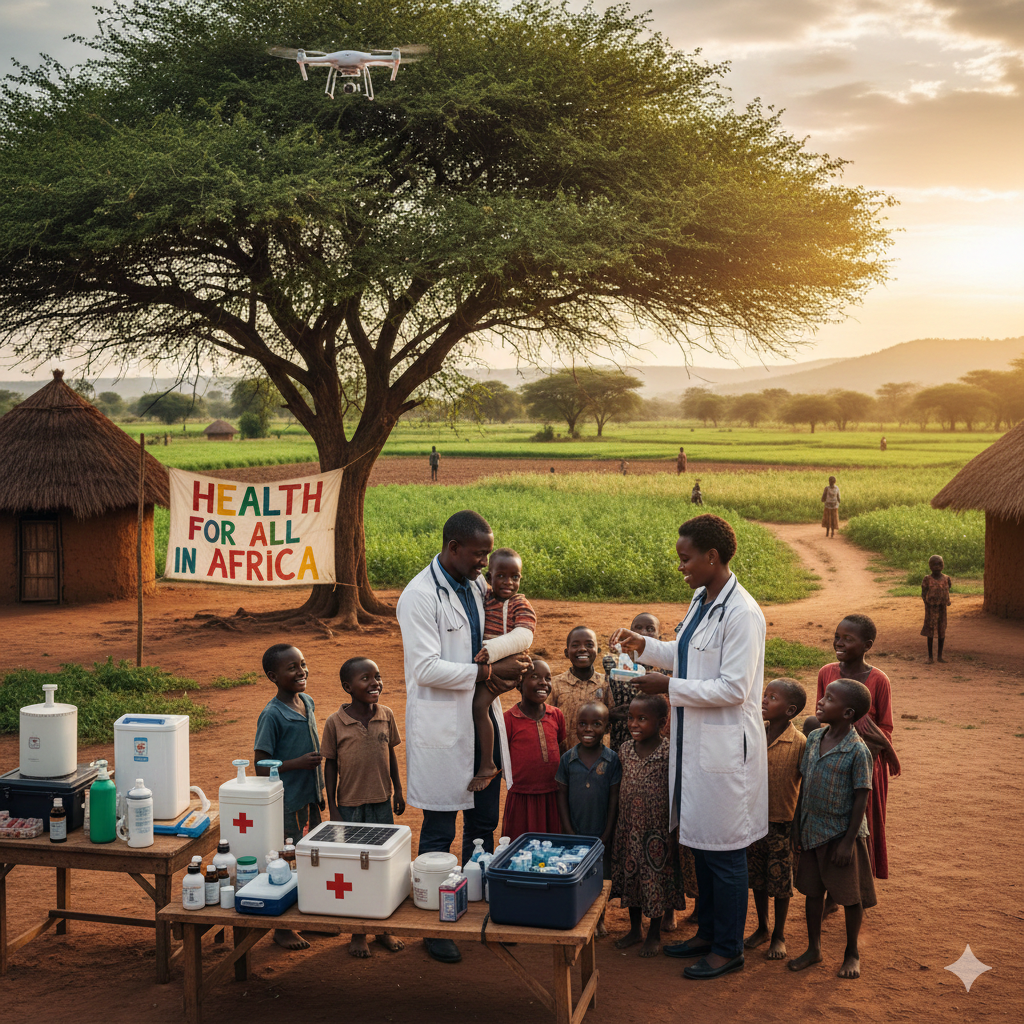
Health in Africa today reflects a complex mix of progress, persistent challenges, and emerging opportunities. Over the past few decades, the continent has made meaningful gains in improving life expectancy, reducing child mortality, and expanding access to essential health services. At the same time, Africa continues to face heavy burdens from infectious diseases, rising non-communicable diseases, under-resourced health systems, and social and economic inequalities that affect health outcomes. Understanding the current state of health in Africa requires examining these interconnected factors and the efforts being made to address them.
One of the most notable achievements in African health has been the decline in mortality from infectious diseases such as HIV/AIDS, malaria, and tuberculosis. Through international partnerships, improved access to antiretroviral therapy, widespread malaria prevention campaigns, and expanded vaccination programs, millions of lives have been saved. For example, many countries have scaled up the distribution of insecticide-treated bed nets and rapid diagnostic tests for malaria, leading to significant reductions in deaths, particularly among children under five. Similarly, increased access to HIV testing and treatment has transformed HIV from a fatal illness into a manageable chronic condition for many people.
Despite this progress, infectious diseases remain a major public health challenge in many parts of Africa. Tuberculosis continues to affect vulnerable populations, especially those living with HIV, and outbreaks of diseases such as cholera, Ebola, and measles still occur, often exacerbated by weak surveillance systems and limited healthcare infrastructure. Climate change, population displacement, and conflict further increase the risk of disease outbreaks by disrupting health services and worsening living conditions.
Alongside infectious diseases, Africa is experiencing a steady rise in non-communicable diseases (NCDs) such as diabetes, hypertension, cardiovascular disease, cancer, and mental health disorders. Urbanization, changing diets, reduced physical activity, tobacco use, and alcohol consumption are contributing to this shift. Many health systems on the continent were originally designed to manage acute infectious diseases and are now struggling to adapt to the long-term care needs associated with chronic illnesses. Limited screening, late diagnosis, and high treatment costs mean that NCDs often lead to preventable disability and premature death.
Maternal and child health remains a key indicator of overall health system performance in Africa. Although maternal mortality ratios have decreased in several countries, they remain among the highest in the world. Factors such as limited access to skilled birth attendants, inadequate prenatal and postnatal care, early marriage, and lack of family planning services continue to place women at risk. Child malnutrition also poses a serious threat to health and development, with stunting and wasting affecting millions of children. Malnutrition weakens immune systems, increases susceptibility to disease, and impairs cognitive development, creating long-term consequences for individuals and societies.
Health system challenges are central to many of these issues. Many African countries face shortages of trained healthcare workers, essential medicines, and medical equipment. Rural and remote areas are often the most underserved, forcing people to travel long distances to receive care. In addition, out-of-pocket health expenditures remain high in many countries, pushing families into poverty when they face illness. Strengthening health financing systems and moving toward universal health coverage are critical goals for ensuring that all people can access quality care without financial hardship.
The COVID-19 pandemic highlighted both vulnerabilities and resilience in African health systems. While initial concerns predicted devastating outcomes, many countries responded quickly with public health measures, community engagement, and regional cooperation. The pandemic accelerated investments in disease surveillance, laboratory capacity, and digital health technologies. However, it also exposed inequalities in vaccine access and underscored the need for stronger local pharmaceutical production and research capacity.
Looking forward, innovation and partnership play a crucial role in improving health in Africa today. Mobile health technologies are expanding access to health information, appointment scheduling, and remote consultations, particularly in areas with limited healthcare facilities. Community health workers continue to serve as a vital link between health systems and communities, delivering basic services, promoting healthy behaviors, and supporting disease prevention efforts. African governments, regional organizations, and international partners are increasingly recognizing the importance of local leadership and context-specific solutions.
In conclusion, health in Africa today is marked by significant achievements alongside enduring and emerging challenges. Progress in controlling infectious diseases, improving child survival, and responding to public health emergencies demonstrates what is possible with sustained commitment and collaboration. However, addressing the growing burden of non-communicable diseases, strengthening health systems, and reducing inequalities remain urgent priorities. By investing in resilient health systems, preventive care, and social determinants of health, Africa can continue to move toward a healthier future for all its people.
