

Israel Today: Society, Economy, and Ongoing Challenges
Israel today is a dynamic country characterized by rapid technological development, cultural diversity, strong economic performance, and complex political and security realities. Located in the Middle East at the crossroads of Africa, Asia, and Europe, Israel plays a significant role in regional and global affairs. Its modern identity is shaped by innovation, history, security concerns, and ongoing social change.
Society and Population
Israel has a diverse population made up of Jews, Arabs, Druze, Bedouins, Christians, Muslims, and other minority communities. This diversity is reflected in Israeli culture, languages, cuisine, and religious practices. Hebrew and Arabic are official languages, while English is widely spoken, especially in business and education.
Israeli society is youthful and urbanized, with most people living in cities such as Tel Aviv, Jerusalem, Haifa, and Beersheba. Education is highly valued, and literacy rates are high. At the same time, social divisions exist around religion, ethnicity, and political beliefs, contributing to ongoing debates about identity, equality, and governance.
Economy and Innovation
Israel today has one of the strongest economies in the region. It is widely known as the “Start-Up Nation” due to its thriving technology and innovation sector. Israeli companies lead in fields such as cybersecurity, artificial intelligence, biotechnology, agriculture technology, and clean energy.
The country has strong trade relations with the United States, Europe, and parts of Asia. Natural gas discoveries in the Mediterranean have also strengthened Israel’s energy sector. Despite global economic pressures, Israel continues to show resilience, supported by innovation, skilled labor, and foreign investment.
However, high living costs, housing shortages, and economic inequality remain key domestic challenges, especially affecting young people and low-income families.
Politics and Governance
Israel is a parliamentary democracy with a multi-party system. Political life is highly active and often polarized, with frequent elections and coalition governments. Public debate is intense, reflecting a wide range of views on religion, security, governance, and the economy.
Judicial reform, civil rights, and relations between secular and religious communities have been major issues in public discourse. Mass demonstrations and civic engagement show a society deeply invested in its democratic institutions.
Security and Regional Relations
Security remains one of Israel’s most significant concerns. Ongoing tensions with Palestinian territories, periodic violence, and conflicts involving neighboring groups continue to affect daily life and regional stability. The Israeli Defense Forces (IDF) play a central role in national security.
At the same time, Israel has expanded diplomatic and economic ties with several Arab countries through normalization agreements, reshaping parts of the Middle East’s political landscape. These developments have opened new opportunities for trade, tourism, and cooperation, even as conflict persists elsewhere.
Culture, Technology, and Daily Life
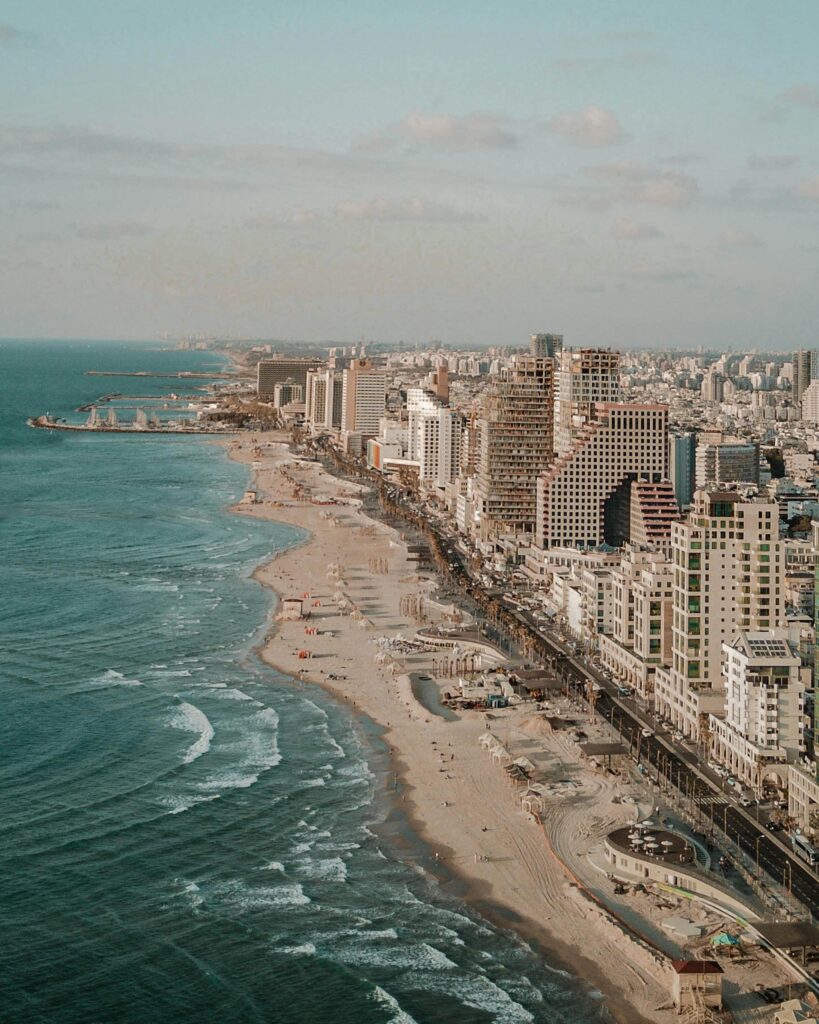
Cultural life in Israel is vibrant, blending ancient traditions with modern influences. Music, film, art, and literature are active and globally recognized. Tel Aviv is known for its nightlife and beaches, while Jerusalem is a center of religious and historical significance for Jews, Christians, and Muslims.
Technology influences daily life, from digital banking and healthcare to transportation and education. Israel has advanced medical research institutions and a well-developed healthcare system, contributing to high life expectancy.
Challenges and the Way Forward
Despite its achievements, Israel faces significant challenges today. These include political divisions, social inequality, security risks, regional tensions, and unresolved conflicts. Environmental issues such as water management and climate change are also growing concerns.
The future of Israel depends on balancing security with peace efforts, innovation with social inclusion, and national identity with democratic values. Its ability to navigate these challenges will shape not only its own future but also that of the wider Middle East.
Conclusion
Israel today is a country of contrasts—technologically advanced yet politically complex, economically strong yet socially divided, deeply rooted in history yet forward-looking. Its resilience, innovation, and active civic life continue to define its national character. As global and regional dynamics evolve, Israel remains a central and influential actor on the world stage.
