

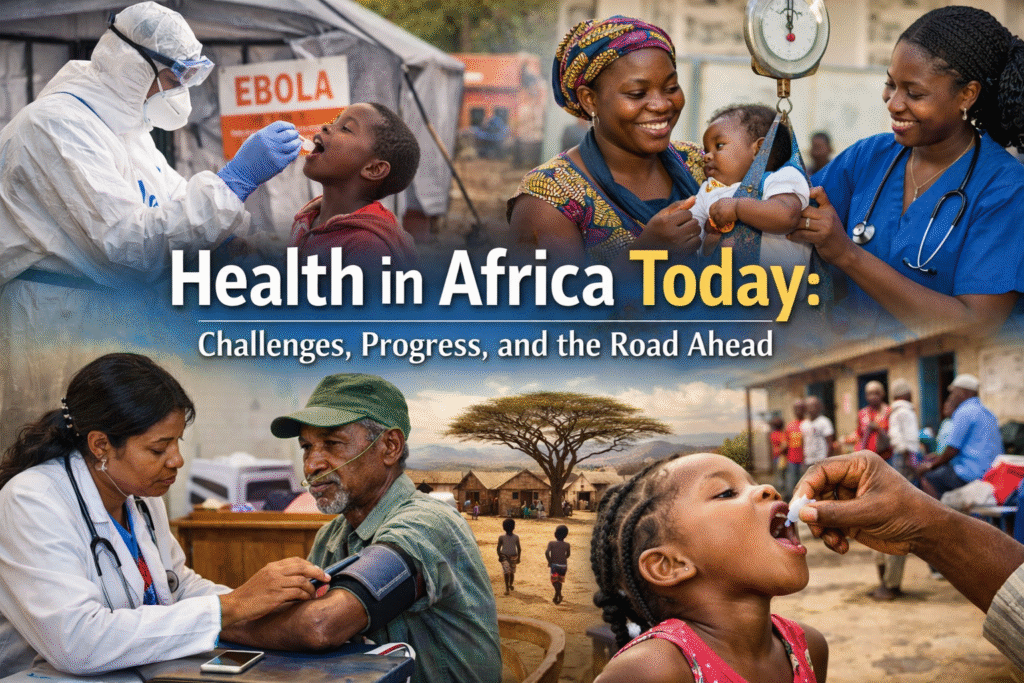
Health in Africa Today: Challenges, Progress, and the Path Forward
Health in Africa remains a complex and dynamic issue, influenced by social, economic, and environmental factors. Despite significant strides in healthcare delivery and disease management, many African countries continue to face serious health challenges that affect millions of people.
Key Health Challenges
- Infectious Diseases
Infectious diseases remain a leading cause of morbidity and mortality across Africa. Malaria, HIV/AIDS, tuberculosis, and more recently, outbreaks like Ebola, continue to strain healthcare systems. According to the World Health Organization (WHO), malaria alone caused over 260,000 deaths in Africa in 2023, disproportionately affecting children under five. - Non-Communicable Diseases (NCDs)
While infectious diseases dominate, non-communicable diseases such as diabetes, hypertension, and cancer are on the rise. Rapid urbanization, dietary changes, and sedentary lifestyles contribute to this growing burden. Many health systems are ill-equipped to handle chronic illnesses, resulting in high mortality rates from conditions that are manageable in other regions. - Maternal and Child Health
Maternal and child mortality rates remain high in parts of Africa. Lack of access to quality prenatal and postnatal care, poor nutrition, and inadequate healthcare infrastructure are major contributors. The WHO reports that sub-Saharan Africa accounts for nearly two-thirds of global maternal deaths, highlighting the urgent need for targeted interventions. - Healthcare Infrastructure and Workforce
Many African countries face shortages of healthcare professionals and inadequate medical facilities. Rural areas are particularly underserved, leading to unequal access to care. Limited funding, poor logistics, and inadequate training further complicate service delivery. - Emerging Health Threats
Climate change, urbanization, and population growth are introducing new health challenges. Increased temperatures and changing rainfall patterns contribute to the spread of vector-borne diseases. Urban overcrowding has also fueled the spread of respiratory infections, including COVID-19.
Progress and Achievements
Despite these challenges, Africa has made significant health gains in recent years:
- Vaccination Programs: Expanded immunization campaigns have dramatically reduced diseases like polio, measles, and meningitis.
- HIV/AIDS Management: Antiretroviral therapy (ART) programs have improved life expectancy for millions living with HIV.
- Maternal Health Initiatives: Community health programs and better prenatal care have contributed to gradual declines in maternal and child mortality.
- Health Technology Adoption: Mobile health platforms are increasingly used for patient monitoring, health education, and disease tracking.
Path Forward
To improve health outcomes in Africa, several strategies are critical:
- Strengthening Health Systems: Investment in healthcare infrastructure, medical training, and supply chains is essential.
- Disease Prevention: Public health campaigns, vaccination, and improved sanitation can reduce both infectious and non-communicable diseases.
- Universal Health Coverage (UHC): Expanding access to affordable healthcare ensures that even the most vulnerable populations receive care.
- Research and Innovation: Supporting local research and embracing technological innovations can tailor solutions to Africa’s unique health challenges.
- Global Collaboration: Partnerships with international organizations, governments, and NGOs remain crucial in tackling cross-border health threats and financing healthcare programs.
Conclusion
Health in Africa today is a story of both challenge and hope. While infectious diseases, non-communicable illnesses, and infrastructure gaps persist, progress in medical care, community health, and disease prevention offers optimism. Sustainable improvements will depend on strategic investments, local innovation, and continued collaboration between African nations and the global community.
Africa’s health journey is ongoing, and with concerted effort, the continent can achieve better health outcomes, reduce inequalities, and build resilient healthcare systems for the future.
