

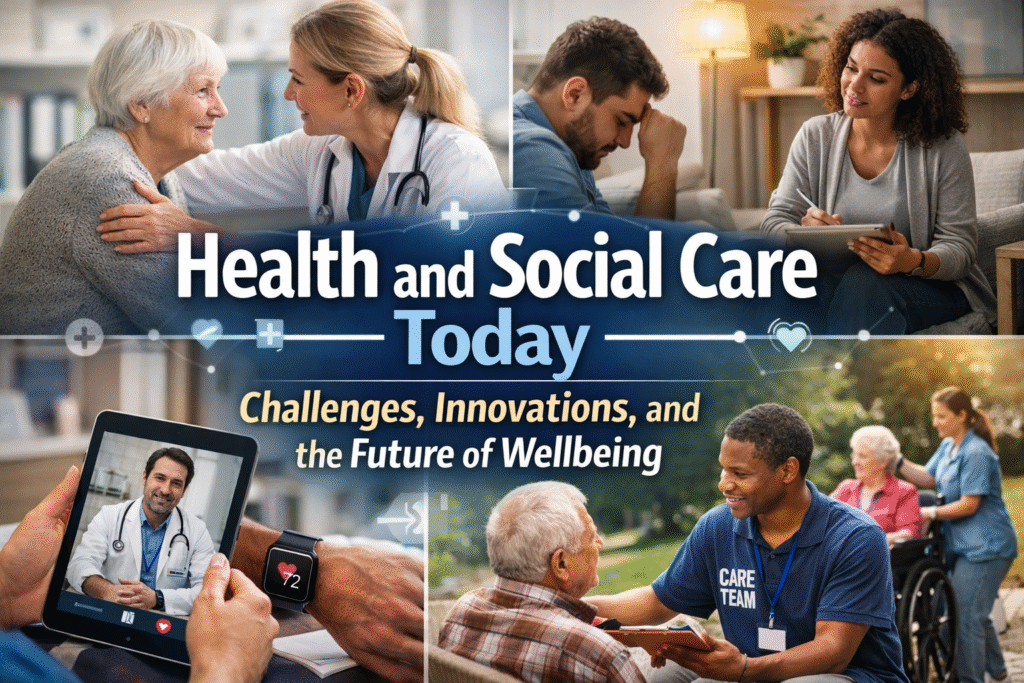
Health and Social Care Today: Challenges, Innovations, and the Road Ahead
In the 21st century, health and social care have become central to societal well-being. Rapid technological advances, demographic shifts, and changing social structures are reshaping the way we think about health and support services. From hospitals to community care, the landscape is evolving to meet increasingly complex needs.
1. Current Challenges in Health and Social Care
a. Aging Population
One of the biggest pressures on health and social care systems worldwide is the aging population. As life expectancy rises, more people live with chronic conditions such as diabetes, arthritis, or dementia, which require ongoing care and support. This demographic shift demands innovative approaches to long-term care.
b. Mental Health Concerns
Mental health has become a prominent concern in recent years. Anxiety, depression, and stress-related disorders are on the rise, exacerbated by social isolation, economic pressures, and modern lifestyles. Health and social care systems are now tasked with integrating mental health services into primary and community care.
c. Health Inequalities
Access to quality care remains uneven. Socioeconomic factors, geographic location, and cultural barriers contribute to disparities in health outcomes. Addressing these inequalities is essential to achieving equitable health and social care.
d. Workforce Shortages
Health and social care sectors face chronic workforce shortages. Burnout, low pay, and high stress contribute to staff turnover, which directly impacts the quality of care. Retaining and training professionals is a priority for sustainable systems.
2. Innovations Transforming Care
a. Digital Health Technologies
Telemedicine, wearable devices, and AI-driven diagnostics are revolutionizing healthcare. Patients can now consult doctors remotely, monitor chronic conditions at home, and access personalized health information in real-time.
b. Integrated Care Models
Integrated care seeks to bridge the gap between health and social services. By coordinating medical care with social support—such as housing, nutrition, and community services—patients receive holistic treatment that addresses both physical and social needs.
c. Preventive and Community-Based Care
Preventive care is gaining prominence, focusing on early detection, vaccination, and lifestyle interventions to reduce the burden of disease. Community-based programs empower individuals to take control of their health, reducing hospital admissions and improving long-term outcomes.
d. Social Innovation
Innovative social initiatives, including peer support networks, volunteer programs, and digital platforms connecting care providers with those in need, are reshaping social care delivery and strengthening communities.
3. The Road Ahead
The future of health and social care depends on adaptability, collaboration, and equity. Policymakers must invest in workforce development, technology, and preventive services while addressing systemic inequalities. Moreover, fostering partnerships between public, private, and nonprofit sectors can ensure comprehensive, sustainable care.
Key Takeaways
- Health and social care face pressures from aging populations, mental health challenges, inequalities, and workforce shortages.
- Technology and integrated care models are key to improving access, efficiency, and patient outcomes.
- Preventive, community-based, and socially innovative approaches will define the next generation of care.
Ultimately, health and social care today is about more than treating illness—it is about enhancing quality of life, promoting equity, and empowering communities to thrive.
