

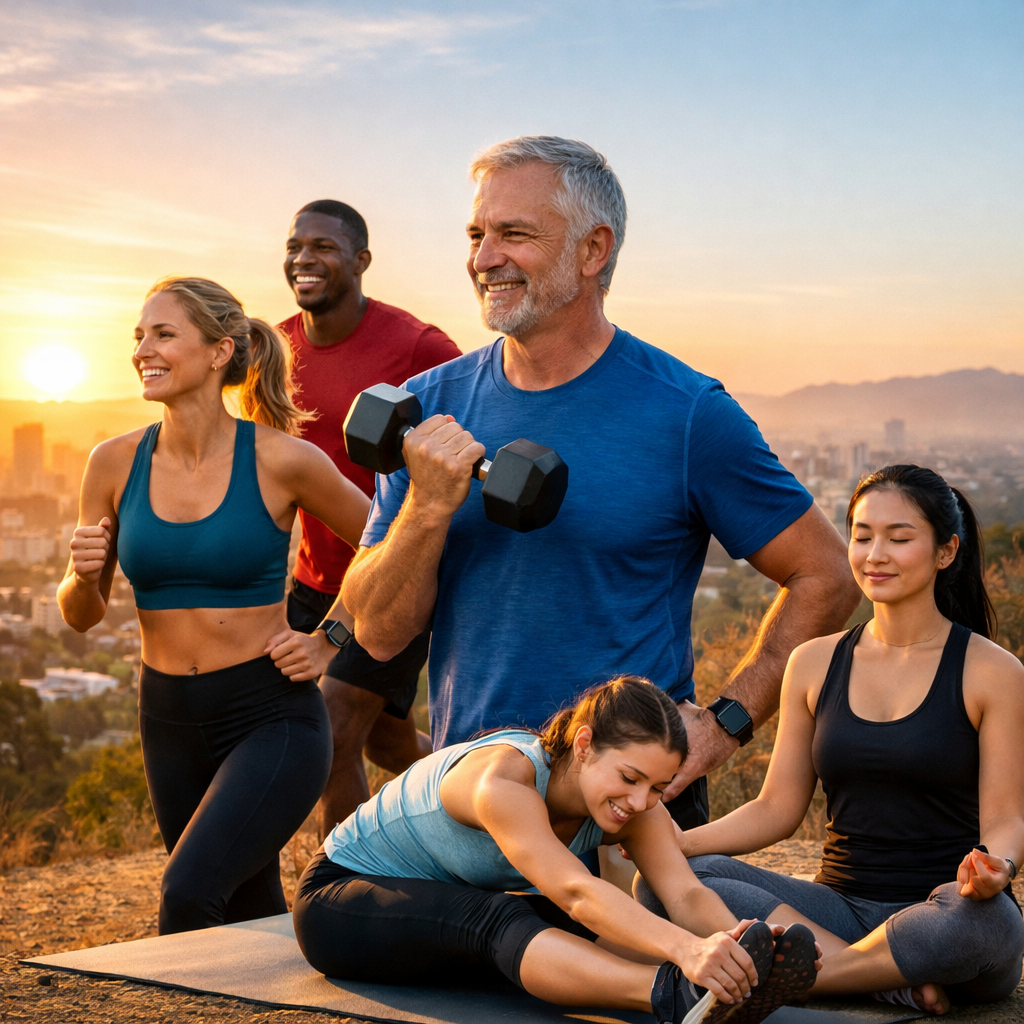
The Transformative Power of Exercise: A Path to Health, Happiness, and Longevity
In the fast-paced world we live in today, exercise has become more than just a leisure activity—it is a cornerstone of a healthy lifestyle. While many of us recognize the importance of staying active, understanding the full spectrum of exercise’s benefits can inspire a deeper commitment to physical fitness. From improving physical health to enhancing mental well-being, exercise is a powerful tool that transforms both body and mind.
Physical Health Benefits of Exercise
The most immediate and visible effects of exercise are physical. Regular physical activity strengthens the cardiovascular system, improving heart health and circulation. Activities such as running, cycling, swimming, or even brisk walking increase heart rate, which helps pump more oxygen-rich blood throughout the body. This, in turn, reduces the risk of cardiovascular diseases, including heart attacks and strokes.
Muscle strength and endurance are also significantly enhanced through exercise. Resistance training, such as weightlifting or bodyweight exercises, promotes muscle growth and improves overall physical performance. Strong muscles not only support daily activities but also reduce the risk of injuries by stabilizing joints and maintaining proper posture. Additionally, exercise contributes to bone health. Weight-bearing activities stimulate bone growth and density, reducing the risk of osteoporosis and fractures, particularly in older adults.
Exercise also plays a pivotal role in weight management. By increasing metabolism and burning calories, regular physical activity helps prevent obesity, which is a major risk factor for numerous chronic illnesses such as diabetes, hypertension, and certain cancers. Combining cardiovascular exercises with strength training and flexibility routines creates a holistic approach that supports long-term health and fitness.
Mental Health Benefits of Exercise
Beyond the physical, exercise profoundly impacts mental health. Physical activity triggers the release of endorphins, often called “feel-good” hormones, which naturally elevate mood and reduce feelings of stress and anxiety. Regular exercise has been shown to lower symptoms of depression, improve sleep quality, and increase overall emotional resilience.
Cognitive function is another area positively influenced by exercise. Studies indicate that engaging in consistent physical activity can enhance memory, focus, and learning capabilities. Exercise stimulates the growth of new neurons and increases blood flow to the brain, which supports neuroplasticity—the brain’s ability to adapt and reorganize itself. This is particularly beneficial as we age, helping to delay cognitive decline and reduce the risk of neurodegenerative diseases such as Alzheimer’s.
Moreover, exercise can serve as a constructive outlet for coping with daily stress. Activities like yoga, tai chi, or meditation-based workouts not only strengthen the body but also calm the mind, fostering a sense of balance and inner peace. Group sports or fitness classes can further enhance social connections, providing a supportive community and reducing feelings of loneliness.
Types of Exercise
Understanding the different types of exercise helps in creating a balanced fitness routine. There are four main categories: cardiovascular, strength, flexibility, and balance exercises.
- Cardiovascular (Aerobic) Exercise: This includes running, swimming, cycling, and brisk walking. Aerobic exercises improve heart and lung function and enhance endurance.
- Strength Training: Activities such as weightlifting, resistance band exercises, and bodyweight workouts build muscle and improve metabolism.
- Flexibility Exercises: Stretching routines, yoga, and Pilates increase flexibility, improve posture, and reduce the risk of injury.
- Balance Exercises: Tai chi, balance drills, and certain yoga poses enhance stability, coordination, and prevent falls, especially in older adults.
A well-rounded fitness program incorporates all these elements, ensuring comprehensive physical development and reducing the risk of overuse injuries from repetitive movements.
Exercise Across the Lifespan
Exercise is not limited to any age group—it benefits people of all ages. For children and adolescents, physical activity supports healthy growth, improves bone density, and enhances concentration and academic performance. In adults, regular exercise helps maintain a healthy weight, boosts energy levels, and supports mental well-being. For older adults, staying active is crucial for preserving mobility, preventing falls, and maintaining independence.
Importantly, exercise can be adapted to fit any lifestyle or physical ability. Low-impact activities such as swimming, cycling, or walking can be just as effective for cardiovascular health as high-impact workouts, making fitness accessible to nearly everyone. Consistency is key; even small amounts of regular physical activity can produce significant long-term benefits.
Tips for Incorporating Exercise Into Daily Life
Despite its benefits, many people struggle to make exercise a consistent habit. The key is to find activities that are enjoyable and sustainable. Here are some practical tips:
- Set realistic goals: Start small and gradually increase intensity or duration.
- Create a schedule: Treat workouts like appointments to establish a routine.
- Combine activities: Mix cardio, strength, and flexibility exercises to keep workouts engaging.
- Stay accountable: Join a class, workout with a friend, or track progress with a fitness app.
- Make it fun: Choose activities that bring joy, whether it’s dancing, hiking, or playing sports.
Conclusion
Exercise is a multifaceted tool that nurtures the body, mind, and spirit. Its benefits extend far beyond weight loss or muscle gain—it strengthens the heart, sharpens the mind, elevates mood, and even fosters social connections. By incorporating regular physical activity into daily life, individuals can not only improve their health and longevity but also enhance their quality of life. The transformative power of exercise is accessible to everyone, regardless of age, fitness level, or lifestyle. The only requirement is the willingness to move—and the rewards, both immediate and long-term, are boundless.
In a world filled with sedentary distractions, exercise is a vital reminder that movement is medicine. By embracing it, we take a proactive step toward a healthier, happier, and more vibrant life.