

The Evolution and Importance of Exercise Equipment Today
In today’s fast-paced world, maintaining physical fitness is more crucial than ever. With sedentary lifestyles becoming increasingly common due to technological advancements and office-centric work environments, staying active is essential for overall health and well-being. One of the most significant contributors to modern fitness routines is exercise equipment. From traditional machines to cutting-edge technology, exercise equipment today caters to every fitness level, goal, and lifestyle. Understanding the current landscape of fitness equipment can help individuals make informed decisions and maximize the effectiveness of their workouts.
The Variety of Exercise Equipment Today
Exercise equipment today comes in an impressive variety, designed to target different muscle groups, improve cardiovascular health, and enhance flexibility. Traditional equipment like treadmills, stationary bikes, and ellipticals remain staples in gyms and homes alike. Treadmills offer an accessible way to perform cardiovascular workouts indoors, regardless of weather conditions, while stationary bikes provide a low-impact alternative ideal for those with joint concerns. Ellipticals combine cardio with full-body movement, engaging both upper and lower body muscles.
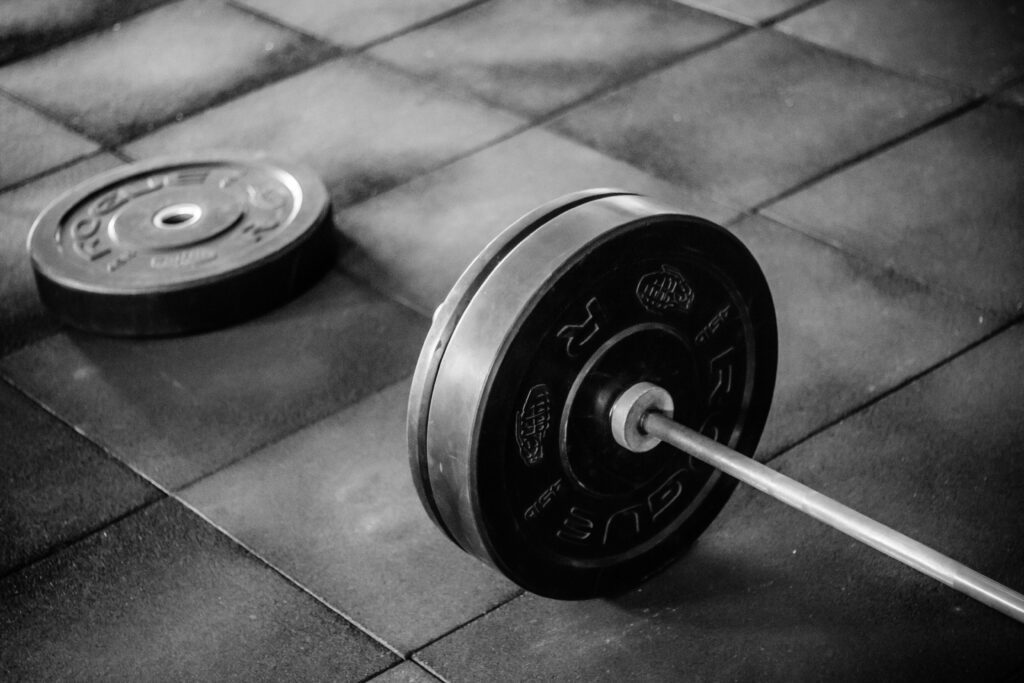
Strength training equipment has also seen remarkable growth and innovation. Free weights such as dumbbells and barbells remain highly popular due to their versatility and effectiveness in building muscle strength. However, modern strength training often includes adjustable dumbbells that save space and allow users to increase weight incrementally without needing a full rack. Resistance bands, kettlebells, and medicine balls provide dynamic options for both strength and functional training, emphasizing balance, coordination, and stability.
Machines designed for targeted muscle engagement have evolved significantly. Multi-functional gym machines, cable systems, and selectorized weight machines allow users to perform complex exercises safely and efficiently. These machines are particularly valuable for beginners, offering guided movements that reduce the risk of injury while ensuring proper form.
The Rise of Smart and Connected Equipment
One of the most notable trends in exercise equipment today is the integration of technology. Smart fitness machines are transforming the way people approach exercise by combining hardware, software, and data analytics. For instance, smart treadmills and stationary bikes come equipped with touchscreens, interactive classes, and virtual reality experiences. Users can participate in live or on-demand workouts, track their progress in real-time, and receive personalized coaching.
Wearable fitness devices, such as smartwatches and heart rate monitors, complement these machines by providing detailed insights into heart rate, calories burned, sleep patterns, and overall activity levels. The integration of wearable technology with exercise equipment allows for a holistic approach to fitness, helping users optimize their routines and achieve measurable results.
Another exciting development is the rise of connected home gyms. Compact systems like Peloton, Mirror, and Tonal provide a comprehensive workout experience in the comfort of one’s home. These systems offer live-streamed and on-demand classes, personalized training programs, and performance tracking. The convenience and engagement offered by connected equipment have made home fitness a viable and attractive option for individuals who prefer exercising outside traditional gym settings.
Functional and Bodyweight Training Equipment
While high-tech machines dominate some aspects of modern fitness, functional and bodyweight training equipment remains essential. Functional training focuses on exercises that mimic real-life movements, improving strength, flexibility, and coordination. Equipment such as suspension trainers, balance boards, battle ropes, and plyometric boxes encourages full-body engagement and enhances athletic performance.
Bodyweight training, requiring minimal equipment, has also seen renewed interest, particularly for home workouts and minimalistic fitness routines. Items like pull-up bars, push-up stands, and resistance loops allow for comprehensive bodyweight exercises that develop strength, endurance, and flexibility. The affordability and portability of this equipment make it accessible to a broad audience, from beginners to professional athletes.
Safety, Durability, and Ergonomics
Modern exercise equipment places a strong emphasis on safety, durability, and ergonomics. Manufacturers design machines and tools to reduce the risk of injury, incorporate user-friendly adjustments, and ensure stability during use. High-quality materials, non-slip surfaces, and reinforced frames enhance durability, ensuring equipment can withstand frequent use over time. Ergonomic designs also improve user comfort and efficiency, enabling longer and more effective workout sessions.
Sustainability and Eco-Friendly Innovations
Sustainability is another emerging focus in the fitness equipment industry. Environmentally conscious consumers are seeking equipment made from recyclable, durable, and low-impact materials. Some treadmills and bikes now use self-generating power systems, reducing energy consumption while providing a functional workout. Eco-friendly designs not only appeal to environmentally conscious buyers but also reflect the broader trend of integrating health, fitness, and sustainability.
Choosing the Right Exercise Equipment
Selecting the right exercise equipment today requires careful consideration of individual goals, space, budget, and fitness level. For cardiovascular improvements, treadmills, ellipticals, and stationary bikes are excellent options. Strength development benefits from free weights, resistance bands, and weight machines. Functional and bodyweight equipment enhances coordination, balance, and overall fitness. Additionally, smart and connected systems provide motivation, structure, and real-time feedback that can improve consistency and results.
Consumers must also prioritize safety and durability. Investing in high-quality equipment ensures longevity, reduces the risk of accidents, and provides a better overall experience. Testing equipment in person, reading reviews, and understanding features and specifications are essential steps before making a purchase.
Conclusion
Exercise equipment today has evolved far beyond basic machines and free weights. The industry offers a diverse range of options that cater to all fitness levels, goals, and lifestyles. From traditional cardio machines and strength-training tools to smart, connected systems and functional training equipment, the modern fitness landscape is both innovative and inclusive. Safety, ergonomics, and sustainability are increasingly important considerations, reflecting a more holistic approach to health and wellness.
As individuals continue to seek convenient, effective, and engaging ways to stay fit, exercise equipment will remain an integral part of daily life. Whether in a commercial gym, a home studio, or a small apartment, the right tools can empower people to achieve their fitness goals, maintain healthy habits, and embrace an active lifestyle in a world that increasingly demands movement and resilience.
