

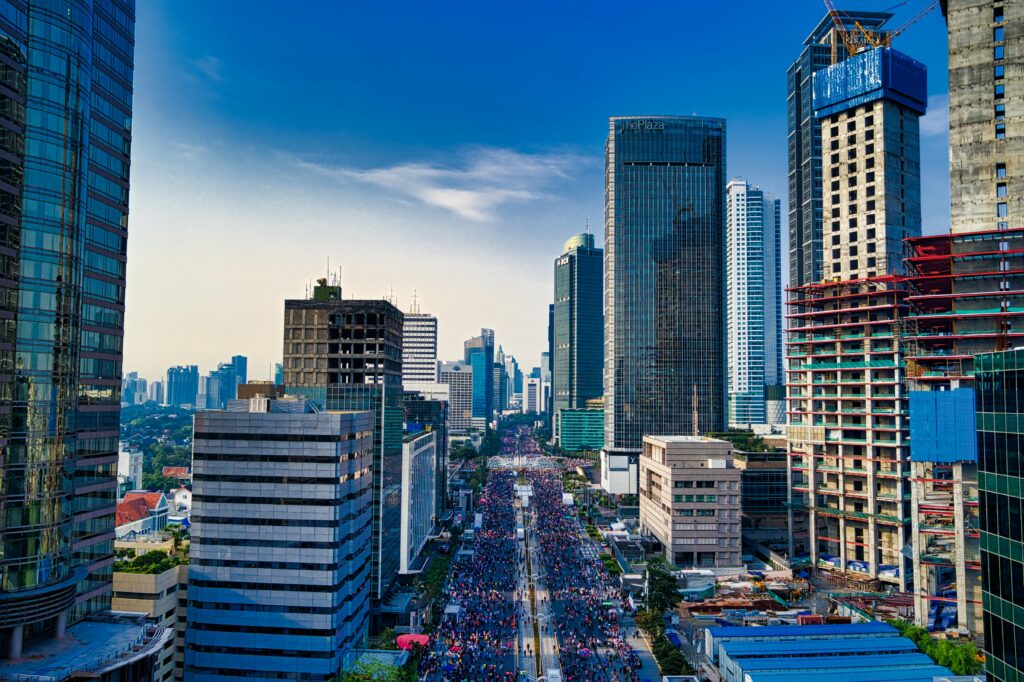
Business Today: Navigating the Modern Economic Landscape
Part 1: Introduction to Business Today
Business today operates in an era defined by rapid change, global connectivity, and technological disruption. Companies are no longer confined by borders or traditional models; instead, they compete in dynamic markets shaped by innovation, customer expectations, and digital transformation. Understanding modern business trends is essential for long-term success.
Part 2: The Role of Technology in Modern Business
Technology is at the core of today’s businesses. Artificial intelligence, cloud computing, data analytics, and automation have transformed how organizations operate. Businesses use technology to improve efficiency, enhance decision-making, and deliver personalized customer experiences. Digital tools are no longer optional—they are a necessity for survival.
Part 3: Globalization and Market Expansion
Globalization has opened new opportunities for businesses to expand beyond local markets. Companies now source materials, talent, and customers from around the world. While globalization increases competition, it also enables innovation and growth through international collaboration and access to diverse markets.
Part 4: Entrepreneurship and Startups
Entrepreneurship plays a vital role in shaping business today. Startups drive innovation by introducing new products, services, and business models. With access to venture capital, digital platforms, and global audiences, entrepreneurs can scale faster than ever before. However, success requires adaptability and strategic planning.
Part 5: Changing Consumer Behavior
Modern consumers are informed, connected, and value-driven. They expect convenience, transparency, and ethical practices from businesses. Online shopping, social media influence, and personalized services have reshaped purchasing decisions. Companies must understand consumer needs and build trust to remain competitive.
Part 6: Sustainability and Corporate Responsibility
Sustainability has become a key focus in business today. Companies are expected to operate responsibly by reducing environmental impact, supporting social causes, and practicing ethical governance. Sustainable business practices not only benefit society but also enhance brand reputation and long-term profitability.
Part 7: Workforce and Organizational Culture
The modern workforce values flexibility, diversity, and purpose. Remote work, digital collaboration, and continuous skill development have redefined traditional workplaces. Successful organizations invest in employee well-being, foster inclusive cultures, and encourage innovation to attract and retain talent.
Part 8: Conclusion and Future Outlook
Business today is characterized by constant change and opportunity. Companies that embrace technology, adapt to global trends, prioritize sustainability, and focus on people—both customers and employees—are best positioned for success. As the business landscape continues to evolve, agility and innovation will remain the keys to future growth.
