

🔁 Trade: The Exchange of GoodsTrade is the fundamental component of commerce, involving the buying and selling of goods. It removes the ‘hindrance of persons’ by creating a connection between the producer and the consumer.Internal Trade (Domestic)This refers to all trade activities conducted within the geographical boundaries of a single country.Wholesale Trade: Involves buying goods in large quantities from manufacturers and selling them in smaller lots to retailers or other businesses. Wholesalers act as an intermediary, reducing the burden on manufacturers to reach numerous small retailers.Retail Trade: Involves selling goods in small quantities directly to the final consumers. This is the most visible form of trade, encompassing everything from small corner stores to large supermarkets and online retail platforms.External Trade (Foreign/International)This refers to trade activities conducted across international borders, involving entities from different countries.Import: Buying goods or services from a foreign country.Export: Selling goods or services to a foreign country.Entrepot (Re-export): Importing goods from one country with the intent of processing them (if necessary) and then re-exporting them to a third country.🛠️ Aids to Trade (Auxiliary Services)These are the essential services that remove the various ‘hindrances’ or barriers that can obstruct the smooth flow of trade. They are indispensable for modern commerce.
🌐 Modern Forms of Commerce
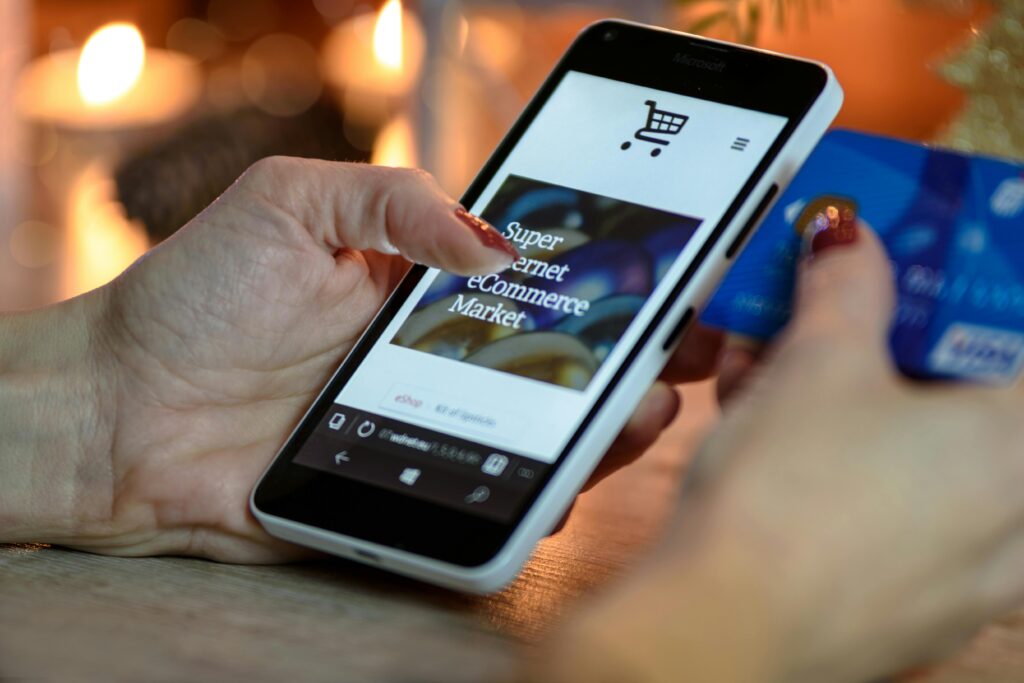
The rise of the internet and mobile technology has introduced several new and important types of commerce:
- E-commerce (Electronic Commerce): The buying and selling of goods and services over the internet. This includes online retail and electronic payments. It is categorized by the entities involved in the transaction:
- B2C (Business-to-Consumer): A business sells directly to an individual consumer (e.g., buying a book on Amazon).
- B2B (Business-to-Business): A business sells products or services to another business (e.g., a software company selling its product to a hotel chain).
- C2C (Consumer-to-Consumer): Individual consumers sell or exchange goods directly with other consumers, usually through a third-party platform (e.g., selling a used item on eBay).
- C2B (Consumer-to-Business): An individual consumer sells goods or services to a business (e.g., a freelancer offering web design services to a company).
- M-commerce (Mobile Commerce): Transactions conducted specifically using mobile devices like smartphones and tablets.
- Social Commerce: The use of social media platforms to promote and sell products, allowing users to discover, share, and purchase within their social network.
Commerce is not merely a collection of transactions; it is a dynamic and complex system that ensures the economic wheel keeps turning by connecting supply with demand, thereby contributing significantly to economic growth, specialization, and job creation.
Would you like a more detailed breakdown of any specific type of commerce or aid to trade?
This video provides a conceptual overview of commerce, its meaning, and its key functions.