

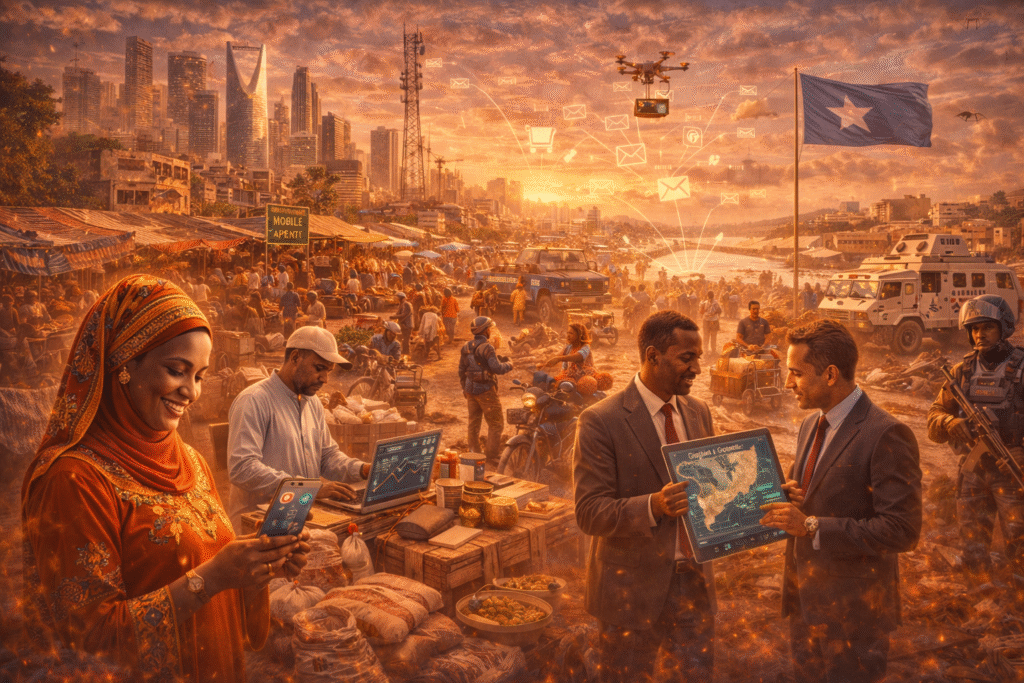
MOGADISHU, Somalia – The landscape of marketing in Somalia is one of profound duality. It operates within a nation rebounding with remarkable resilience, home to a vibrant, youthful population and a dynamic, informal economy, yet it continues to grapple with the legacies of conflict, political fragility, and climatic shocks. Marketing here is not just about selling products; it is a delicate dance of cultural nuance, technological adaptation, and navigating a business environment unlike any other. Today, Somali marketing is emerging from its infancy, driven by a digital revolution, a burgeoning consumer class, and the relentless entrepreneurial spirit of its people.
The Market Terrain: Informal, Mobile, and Youthful
Understanding the Somali market requires moving beyond traditional frameworks. An estimated 75-80% of the economy is informal, characterized by small-scale trade, bustling open-air markets (suuqs), and intricate clan-based networks of trust and credit. Success is built on deep personal relationships, word-of-mouth, and an intimate understanding of local needs.
Two dominant forces shape this terrain:
- The Ubiquity of Mobile Money: Led by pioneering platforms like EVC Plus (Hormuud Telecom) and Zaad (Telesom), Somalia is a world leader in mobile money penetration. For marketers, this is transformative. It facilitates cashless transactions, enables direct-to-consumer sales, allows for precise digital advertising spends, and provides a vehicle for micro-loans and savings products. Marketing campaigns are increasingly built around mobile money incentives (e.g., “Pay with EVC Plus for a 5% discount”).
- The Demographic Dividend: Over 70% of Somalis are under 30. This generation is urbanizing, brand-aware, and digitally native. Their aspirations are reshaping demand, moving beyond pure price sensitivity toward considerations of quality, style, and brand identity. They are the primary audience for smartphones, fashion, education tech, and entertainment.
The Digital Dawn: Social Media as the New Marketplace
In a country with limited traditional media infrastructure and security concerns that can limit physical movement, social media has become the central nervous system of Somali marketing. Facebook is the undisputed king, functioning as a combined Yellow Pages, e-commerce storefront, customer service portal, and advertising platform. WhatsApp and Telegram groups serve as crucial channels for B2B communication, logistics coordination, and niche community building.
- Influencer Marketing Takes Root: A new generation of Somali social media influencers, from fashion bloggers in Hargeisa to tech reviewers in Mogadishu, is gaining significant traction. They provide a trusted voice for brands targeting the youth market, particularly in beauty, telecommunications, and food & beverage.
- Content is King, But Context is Emperor: Successful digital content is not merely translated; it is culturally crafted. It incorporates Somali language (both Maay and Maxaatiri), local humor, Islamic values, and an appreciation for the nation’s rich poetic and storytelling heritage. Visuals resonate when they reflect the vibrant colors of Somali fabrics, the energy of its cities, and the resilience of its people.
Sector-Specific Strategies: Where the Growth Is
Marketing strategies vary dramatically across Somalia’s key economic sectors:
- Telecommunications: The most competitive and advanced sector. Marketing wars between giants like Hormuud, Telesom, and Somtel are fierce, fought through relentless radio jingles, billboards, social media campaigns, and aggressive pricing bundles for data and mobile money. Brand positioning often ties to national pride and connectivity.
- Financial Services (Hawala & Digital Banks): Trust is the absolute currency. Marketing for hawala (money transfer) firms like Dahabshiil and emerging digital banks emphasizes reliability, speed, vast agent networks, and deep community roots built over decades. Testimonials and family-centric messaging are powerful.
- Consumer Packaged Goods (CPG) & FMCG: For items like bottled water, soft drinks, and packaged foods, distribution is king. Marketing is heavily trade-oriented, focused on securing prime shelf space in countless small dukaans (shops). At the consumer level, eye-catching packaging, small affordable unit sizes (sachet marketing), and radio advertisements during peak listening hours are critical.
- The Khat Economy: The marketing of khat (or miraa), a controversial stimulant, is a unique and massive informal sector. Its entire supply chain, from Ethiopian farms to Somali distribution networks, operates through sophisticated, time-sensitive digital and cash-based systems, showcasing a high-stakes, demand-driven model of logistics and sales.
Formidable Challenges: The Marketer’s Reality
Operating in Somalia requires navigating a unique set of obstacles:
- Infrastructure Deficits: Unreliable electricity, underdeveloped banking, and logistical bottlenecks increase costs and complicate nationwide campaigns.
- Data Scarcity: Reliable market research and consumer data are extremely limited. Marketers often rely on intuition, local partnerships, and real-time social media feedback rather than detailed analytics.
- Security & Political Fragmentation: The differing realities between relatively stable regions like Somaliland and Puntland, and more volatile areas in the south, necessitate hyper-localized strategies. A unified national campaign is often impossible.
- Talent & Skill Gaps: There is a shortage of formally trained marketing professionals skilled in digital strategy, branding, and analytics. Capacity building is a pressing need.
Opportunities on the Horizon: The Green Shoots
For agile and culturally intelligent marketers, immense opportunities exist:
- E-commerce Evolution: While still nascent, platforms like SomMall and Instagram-based stores are growing. The opportunity lies in solving the “last mile” delivery and cash-on-delivery trust equation.
- Agri-Tech and Climate Resilience: Marketing innovative solutions for Somalia’s pastoralist and agricultural majority—drought-resistant seeds, solar-powered irrigation, livestock tracking apps—addresses core needs and has huge social impact potential.
- Diaspora Engagement: The global Somali diaspora sends over $1.8 billion annually in remittances and is a key market for premium products, real estate, and tourism. Transnational marketing, connecting homeland brands to diaspora nostalgia and investment appetite, is a lucrative niche.
- Creative & Content Production: The demand for high-quality, locally produced video, photography, and design for digital platforms is surging. This represents a growth industry in itself.
The Future: Blending Tradition with Innovation
The future of Somali marketing will not be a simple import of Western models. It will be a distinctive hybrid, characterized by:
- Mobile-First Everything: From product discovery to payment, the customer journey will be orchestrated on the smartphone.
- Authenticity as a Premium: Brands that genuinely invest in local storytelling, employ Somali talent, and align with cultural values will build unshakeable loyalty.
- The Rise of Somali Branding: A move from simply distributing foreign goods to building and marketing powerful domestic brands, from Somali-owned telecoms and beverages to fashion lines and food products.
Conclusion: Marketing as a Mirror of Resilience
Marketing in Somalia today is a testament to the nation’s complex journey. It operates within constraints but is propelled by extraordinary human capital and technological leapfrogging. It requires a marketer to be part anthropologist, part tech geek, and part relationship maestro. For global brands looking to enter, patience, partnership, and deep local knowledge are non-negotiable. For Somali entrepreneurs, mastering the art of modern marketing is key to unlocking the vast potential of their own markets. In the bustling suuqs and on the glowing screens of millions of phones, a uniquely Somali marketplace is being built—one innovative, culturally-grounded campaign at a time. It is not just selling; it is storytelling for a nation on the rise.
