

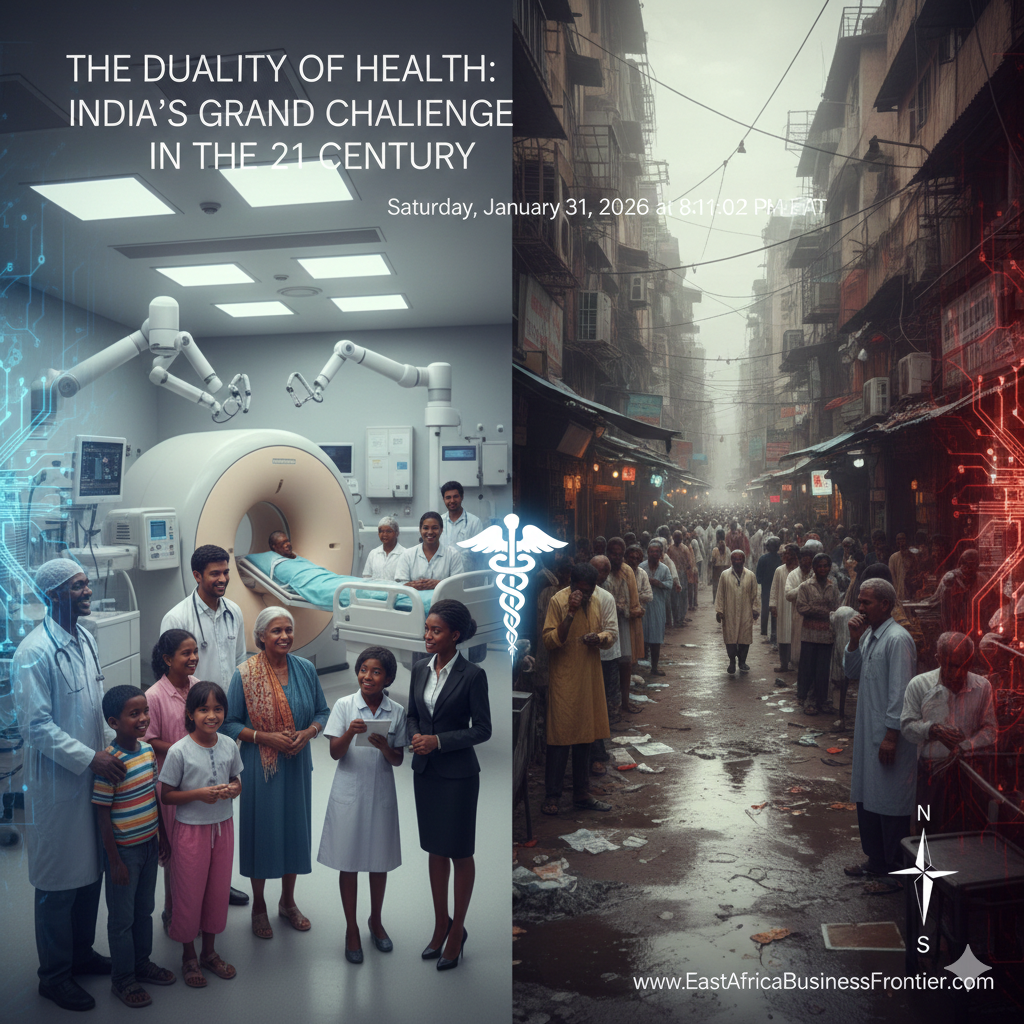
India stands at a health crossroads of unprecedented scale and complexity. It is a nation where world-class cardiac surgeons perform robotic surgeries in gleaming private hospitals in Delhi, while a day’s travel away, a community health worker in rural Odisha battles to save a newborn from sepsis with minimal supplies. The story of health in India today is a story of profound duality—spectacular advances shadowed by persistent, deeply entrenched inequities. It is a narrative defined by the colossal ambition of its public health schemes, the relentless rise of non-communicable diseases, and the enduring struggle to provide basic care to its 1.4 billion citizens. Navigating this labyrinthine landscape is India’s defining challenge of the century.
The Pillars of Progress: Scale, Science, and System
India has achieved remarkable public health successes that have transformed life expectancy and quality of life for millions.
- The Triumph Over Infectious Disease: India’s most celebrated victory is the eradication of smallpox and, more recently, the elimination of polio and maternal and neonatal tetanus. Mass immunization programs, though still striving for universal coverage, have drastically reduced deaths from diseases like measles and diphtheria. The nationwide rollout of the COVID-19 vaccination campaign, administering over 2 billion doses, showcased an unparalleled logistical capacity to deliver health interventions at scale.
- Ayushman Bharat: A Quantum Leap in Financial Protection: Launched in 2018, the Pradhan Mantri Jan Arogya Yojana (PM-JAY) is the world’s largest government-funded health insurance scheme. It aims to provide a health cover of ₹5 lakh ($6,000) per family per year for secondary and tertiary care hospitalization to over 100 million vulnerable families. This bold initiative directly attacks one of India’s most pernicious health problems: catastrophic out-of-pocket medical expenditure, which pushes an estimated 55 million Indians into poverty each year. While its implementation faces challenges, its conceptual ambition is transformative.
- The Rise of a Medical Powerhouse: India has cultivated a formidable private healthcare sector, a global destination for medical tourism in cardiology, orthopedics, and oncology. Its pharmaceutical industry, the “pharmacy of the world,” supplies affordable generic medicines and vaccines across the globe. This ecosystem represents immense capacity and innovation.
The Enduring Burden: A “Triple-Double” Challenge
Despite progress, India’s health profile is dominated by a staggering “triple burden” of disease, now operating within a “double burden” of access.
- The Unfinished Agenda of Communicable Diseases: Tuberculosis (TB) remains a national epidemic, with India accounting for over a quarter of the world’s cases. Vector-borne diseases like malaria, dengue, and chikungunya flare up seasonally, straining urban health systems. Diarrheal diseases and acute respiratory infections remain leading killers of children under five. This “old” burden persists in rural and urban poor populations, linked to inadequate sanitation, malnutrition, and crowded living conditions.
- The Tsunami of Non-Communicable Diseases (NCDs): India is in the grip of a rapid and devastating epidemiological transition. NCDs—chiefly cardiovascular diseases, diabetes, chronic respiratory illnesses, and cancers—now account for over 60% of all deaths. This surge is driven by urbanization, sedentary lifestyles, tobacco use (India is the world’s second-largest consumer), unhealthy diets high in salt and sugar, and air pollution. The crisis is compounded by late diagnosis and fragmented, expensive long-term care management, for which primary care is woefully unprepared.
- The Silent Emergency of Maternal and Child Health: While metrics have improved, India still contributes significantly to global maternal and child mortality. Malnutrition is a national shame: nearly 35% of children under five are stunted (impaired growth), and wasting (acute underweight) affects millions. This is not just a lack of food but a complex crisis of sanitation, women’s status, and dietary diversity. Anemia affects over half of all women and children, sapping vitality and complicating childbirth.
- The Double Burden of Access: A Two-Tiered System: The duality of India’s health system creates a brutal access paradox. A sophisticated, technologically advanced private sector serves those who can pay, but it is often unregulated, profit-driven, and prone to unethical practices like unnecessary procedures. The public sector, intended to be the safety net, is plagued by chronic underfunding (India’s public health spending hovers around a low 2.1% of GDP), severe human resource shortages, drug stock-outs, and absenteeism. This forces even the poor to seek expensive private care, incurring debt. The urban-rural divide is stark, with specialist doctors and advanced facilities concentrated in cities.
The Structural Pathogens: Systemic Weaknesses
Beneath the disease burden lie deep-seated systemic weaknesses.
- The Broken First Line: Primary Healthcare The foundation of any resilient health system—comprehensive, accessible primary care—remains India’s weakest link. The 150,000+ Health and Wellness Centres (HWCs) being upgraded under Ayushman Bharat are a step forward, but they struggle with inadequate staffing (especially doctors), limited diagnostic capacity, and a focus on vertical disease programs over holistic care. A strong gatekeeping primary system could manage NCDs, prevent hospitalizations, and ease the burden on overwhelmed tertiary centers.
- The Human Resource Crisis: India has a severe shortage and maldistribution of qualified health professionals. The doctor-to-population ratio is below WHO recommendations, with a massive skew towards urban areas and the private sector. There is an over-reliance on underpaid, overworked frontline workers like ASHA (Accredited Social Health Activists) and ANMs (Auxiliary Nurse Midwives), who form the backbone of rural care but lack formal medical authority and adequate support.
- The Pollution-Health Nexus: India’s health cannot be divorced from its environmental crisis. The country is home to many of the world’s most polluted cities. Toxic air is now a leading risk factor for NCDs, causing lakhs of premature deaths from stroke, heart disease, and lung cancer annually. Contaminated water continues to spread infectious disease. Health policy cannot succeed without environmental action.
The Inflection Point: Pathways to a Healthier India
The solutions must be as multifaceted as the problems, moving beyond treatment to prevention and systemic strengthening.
- Prevention as the Central Pillar: A war on NCDs requires a public health, not just clinical, approach. This means strong policy: aggressive tobacco and trans-fat regulation, sugar taxes, clear food labeling, and promotion of physical activity. Public awareness campaigns must shift from curative to preventive mindsets.
- Reinventing Primary Care: The transformation of HWCs into truly comprehensive, well-staffed, and trusted first-contact centers is non-negotiable. This requires massive investment in training, a new cadre of mid-level providers, and seamless digital systems for patient tracking and referral.
- Harnessing Technology (Digital Health): India’s Ayushman Bharat Digital Mission (ABDM) aims to create digital health IDs, electronic health records, and a national health infrastructure. Used effectively, this can streamline care, reduce duplication, empower patients, and provide crucial data for policymaking. Telemedicine holds promise for bridging the rural-urban specialist gap.
- Increasing Public Investment and Regulation: Raising public health expenditure to at least 2.5% of GDP as recommended by the National Health Policy 2017 is essential to strengthen public facilities, retain staff, and ensure free essential medicines. Simultaneously, the private sector requires robust regulation to ensure quality, prevent exploitation, and integrate it effectively within national health goals.
- Addressing Social Determinants: Improving health ultimately requires action beyond hospitals: combating malnutrition through integrated child development, ensuring food security, providing clean water and sanitation, empowering women through education, and cleaning the environment.
Conclusion: The Pursuit of Health Equity
Health in India today is a portrait of contrast and contradiction. It embodies the tension between the aspiration of becoming a $10-trillion economy and the reality of children dying from diarrhea. The vision of Ayushman Bharat and the digital health revolution offers a glimpse of a more equitable future, but it is in a race against the rising tide of lifestyle diseases and the persistent gaps in basic care.
The goal must be nothing less than the dismantling of the dual system. The measure of success will not be the number of state-of-the-art medical institutes built, but whether a tribal woman in Chhattisgarh, a daily-wage laborer in Mumbai’s slums, and a corporate executive in Bengaluru all have access to dignified, affordable, and effective healthcare when they need it. Achieving this health equity is not merely a medical or administrative task; it is the fundamental moral and practical project upon which India’s future prosperity and social stability depend. The health of the nation, quite literally, hangs in the balance.
