

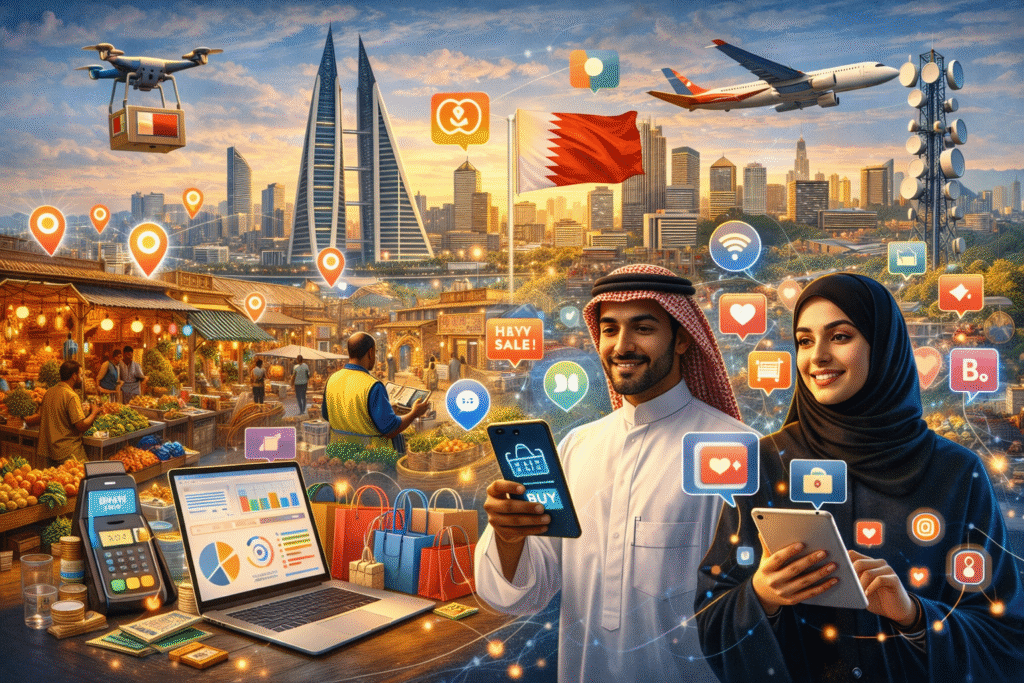
Part 1: Introduction – The Crossroads of Tradition and Hyper-Modernity
Bahrain, the archipelago nation in the Arabian Gulf, presents a unique and dynamic marketing landscape. As a historically open, financially pioneering society now powered by a digitally-native youth majority, marketing here is a fascinating dance between deep-rooted cultural values and breakneck technological adoption. This series explores the strategies, channels, and trends defining marketing success in the Kingdom of Bahrain today.
Part 2: The Bahraini Consumer: Affluent, Connected, and Value-Conscious
With one of the highest internet and smartphone penetration rates in the world, the Bahraini consumer is perpetually online. They are sophisticated, influenced by both regional (GCC) and global trends, and hold high expectations for brand quality and experience. Yet, beneath this modern exterior lies a strong appreciation for trust, reputation, and family-centric values. Successful marketing must bridge this gap between global aspiration and local authenticity.
Part 3: The Social Media Kingdom: Instagram, Snapchat, and TikTok Dominate
Bahrain’s marketing playbook is written on social platforms. Instagram remains the cornerstone for brand building, influencer collaboration, and visual storytelling. Snapchat retains a powerful grip on the youth demographic for real-time engagement, while TikTok has exploded as the primary channel for viral content, humour, and Gen Z connection. Facebook serves a broader, more community-focused role, while LinkedIn is essential for B2B and corporate branding.
Part 4: The Influencer Economy: From Mega to Micro & Nano
Influencer marketing is not a trend in Bahrain; it is a fundamental pillar. However, the landscape is maturing. While celebrity-level influencers still have reach, marketers are increasingly leveraging micro and nano-influencers for higher engagement rates and niche audience trust. The focus is shifting from pure follower counts to content quality, audience alignment, and measurable ROI, with a premium on authentic, relatable voices.
Part 5: Hyper-Local & Cultural Nuance: It’s a Small Kingdom
Bahrain’s intimate geographic and social scale means campaigns must be hyper-localized. What works in Dubai or Riyadh may not resonate in Manama or Muharraq. Marketing success hinges on understanding local dialects, celebrating national occasions (like Bahrain National Day), engaging with community events, and demonstrating a genuine commitment to the local fabric. National pride is a powerful motivator.
Part 6: E-commerce Acceleration & The Omnichannel Mandate
Spurred initially by the pandemic and solidified by changing consumer habits, e-commerce is now mainstream. However, the winning model is omnichannel. Consumers research online and buy in-store (ROPO), or vice versa. Marketing must seamlessly integrate both worlds, leveraging social commerce features (like Instagram Shopping), promoting click-and-collect services, and ensuring brand experience is consistent from app to outlet.
Part 7: Content is King, but Context is Emperor
High-quality, mobile-first content is non-negotiable. This includes short-form video (Reels, TikTok clips), polished carousels, and interactive Stories. Yet, context is everything. Content must be tailored for the platform, the time of day (engagement peaks in evenings and weekends), and the cultural moment. Ramadan, in particular, requires a dedicated, sensitive, and value-driven content strategy focused on community and reflection.
Part 8: Digital Transformation of Traditional Channels
Traditional media—notably out-of-home (OOH) advertising in prime locations like King Faisal Highway and radio—remain influential, especially for broad-reach brand building. But they are now digitally enhanced. OOH campaigns feature QR codes and social tags, radio contests drive traffic to apps, and TV spots are designed to be shareable online, creating integrated, trackable campaigns.
Part 9: Data-Driven Decisions in a Privacy-Conscious World
With a tech-savvy population, marketers have access to rich data but must navigate growing privacy expectations. The focus is on first-party data collection through owned channels (apps, websites, loyalty programs) and using analytics tools to derive insights on customer journeys, content performance, and conversion optimization. Smart segmentation and personalization, done respectfully, are key competitive advantages.
Part 10: B2B Marketing: Relationship-Centric in a Financial Hub
As a established financial and business services hub, Bahrain’s B2B marketing scene is robust. Success here is built on credibility, thought leadership, and deep relationship management. LinkedIn is a primary channel, complemented by high-value industry events, whitepapers, and strategic partnerships. The sales cycle is relationship-driven, requiring marketing that builds trust and demonstrates tangible business value.
Part 11: Experiential & Event Marketing: Creating Shareable Moments
Given the social and community-oriented culture, live experiences are incredibly effective. From exclusive product launches at The Avenues or City Centre Bahrain to curated pop-ups in Adliya, to branded engagements at festivals like the Bahrain Grand Prix, creating real-world, Instagrammable moments generates immense buzz and fosters emotional brand connection.
Part 12: The Government as a Catalyst: Vision 2030 and Regulatory Support
Bahrain’s Economic Vision 2030 and supportive regulatory bodies like the Bahrain Economic Development Board (EDB) actively foster a digital economy. Initiatives in fintech, cloud computing, and entrepreneurship create new market opportunities. Marketers must align with this national vision, highlighting innovation, sustainability, and talent development in their messaging to resonate with national goals.
Part 13: Challenges: Talent, Ad-Buy Sophistication, and Market Saturation
The market faces challenges. There is high demand for top-tier, bilingual digital marketing talent. While platforms are advanced, some traditional ad-buying practices can lack sophistication. In popular sectors like food & beverage and fashion, digital noise is significant, making cut-through and genuine creativity more important than ever.
Part 14: The Future: AI, Personalization, and Authentic Purpose
The future of marketing in Bahrain lies in the sophisticated use of AI for content creation, hyper-personalization, and customer service (via chatbots). Video content will continue to dominate. Ultimately, brands that will thrive are those that move beyond transactional messaging to demonstrate authentic purpose—showing how they contribute to Bahraini society, support local talent, and embody the Kingdom’s spirit of openness and innovation. The marketer’s role is to be a cultural translator, a data scientist, and a storyteller, all at once.
