

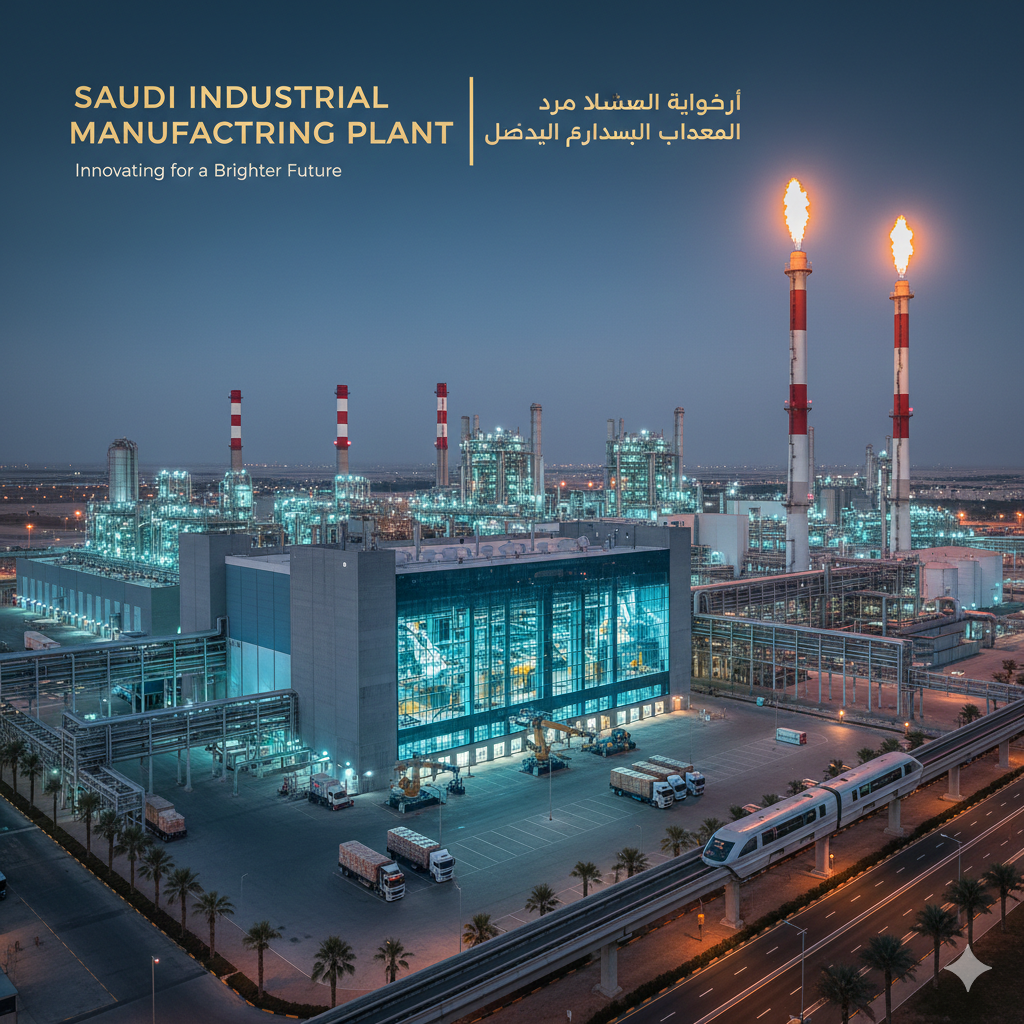
Saudi Arabia today is experiencing rapid transformation driven by a combination of economic, social, political, and global factors. Traditionally known for its oil wealth and conservative social structure, the Kingdom is now redefining its national identity and future direction. Guided by Vision 2030, Saudi Arabia is addressing long-standing challenges while embracing modernization and global integration. Understanding the key factors shaping Saudi Arabia today helps explain the country’s evolving role at regional and international levels.
Economic Diversification
One of the most important factors shaping Saudi Arabia today is economic diversification. For decades, the Saudi economy depended heavily on oil revenues. Fluctuations in global oil prices highlighted the risks of this dependence. In response, the government is expanding non-oil sectors such as tourism, entertainment, logistics, mining, and manufacturing. These changes aim to create sustainable growth, reduce unemployment, and ensure long-term economic stability.
Vision 2030 Reform Program
Vision 2030 is a central driving force behind change in Saudi Arabia today. This national strategy focuses on economic reform, government efficiency, private-sector growth, and social development. Large-scale projects, regulatory reforms, and investment initiatives are reshaping the country’s development model. Vision 2030 influences nearly every aspect of life, from employment and education to culture and urban planning.
Population and Youth Demographics
Saudi Arabia has a young and growing population, which is a major social and economic factor. A large percentage of citizens are under 30 years old, creating high demand for education, jobs, housing, and entertainment. Youth aspirations are influencing policy priorities, technological adoption, and cultural openness. At the same time, addressing youth unemployment remains an ongoing challenge.
Social and Cultural Transformation
Social change is another defining factor in Saudi Arabia today. Reforms have expanded opportunities for women, increased public entertainment options, and encouraged cultural expression. Cinema, concerts, sporting events, and tourism activities have become more common. While tradition and religion remain central to Saudi identity, society is adapting to new lifestyles and social norms.
Role of Religion and Tradition
Religion continues to play a fundamental role in Saudi society. As the birthplace of Islam and guardian of the holy cities of Makkah and Madinah, Saudi Arabia carries significant religious responsibility. Islamic values influence laws, customs, and daily life. Balancing religious tradition with modernization is a key factor shaping social and political decisions today.
Political Leadership and Governance
Strong political leadership is an important factor in shaping Saudi Arabia’s direction. The government plays a central role in planning economic reforms, infrastructure development, and social policies. Governance reforms focus on efficiency, transparency, and digital government services. Political stability remains a significant strength in implementing long-term national strategies.
Global Oil and Energy Markets
Despite diversification efforts, oil remains a critical factor in Saudi Arabia today. Global energy demand, oil prices, and the transition toward renewable energy significantly impact national revenue. Saudi Arabia is investing in renewable energy, hydrogen production, and sustainable technologies to adapt to global energy trends while maintaining its leadership in energy markets.
Foreign Policy and Global Relations
Saudi Arabia’s international relations influence its economic and security environment. Strategic partnerships, regional diplomacy, and global trade relations affect investment flows and political stability. Saudi Arabia is increasingly positioning itself as a bridge between East and West, using diplomacy, energy influence, and economic partnerships.
Technology and Digital Transformation
Technology is a powerful factor shaping Saudi Arabia today. Digital services, e-government platforms, artificial intelligence, and fintech innovation are improving efficiency and transparency. Smart city projects, digital payments, and online services are transforming how people live, work, and interact with institutions.
Labor Market and Saudization
Workforce development is another key factor. Saudization policies aim to increase the participation of Saudi nationals in private-sector jobs. Education reform, skills training, and workforce localization influence business practices and employment patterns. Balancing expatriate labor with national employment goals remains a complex issue.
Environmental and Climate Factors
Environmental sustainability is gaining importance in Saudi Arabia today. Water scarcity, climate change, and environmental protection affect development planning. Initiatives such as renewable energy investment, green projects, and environmental conservation reflect growing awareness of environmental challenges.
Conclusion
Saudi Arabia today is shaped by a combination of economic reform, social change, strong leadership, global integration, and cultural tradition. These factors collectively influence the Kingdom’s development path and global role. As Saudi Arabia continues to transform under Vision 2030, its ability to balance modernization with identity, growth with sustainability, and ambition with stability will define its future direction.
